Last updated November 23, 2026
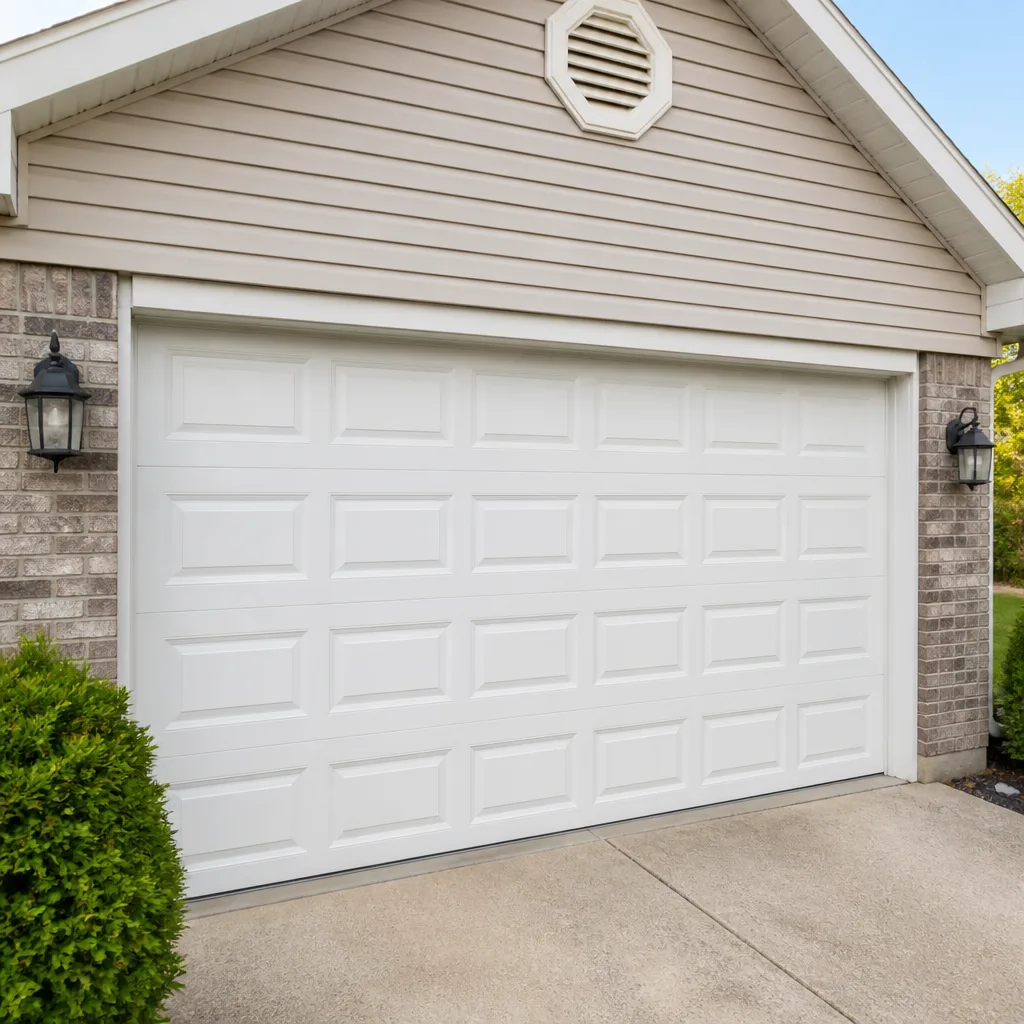 Raised-panel steel
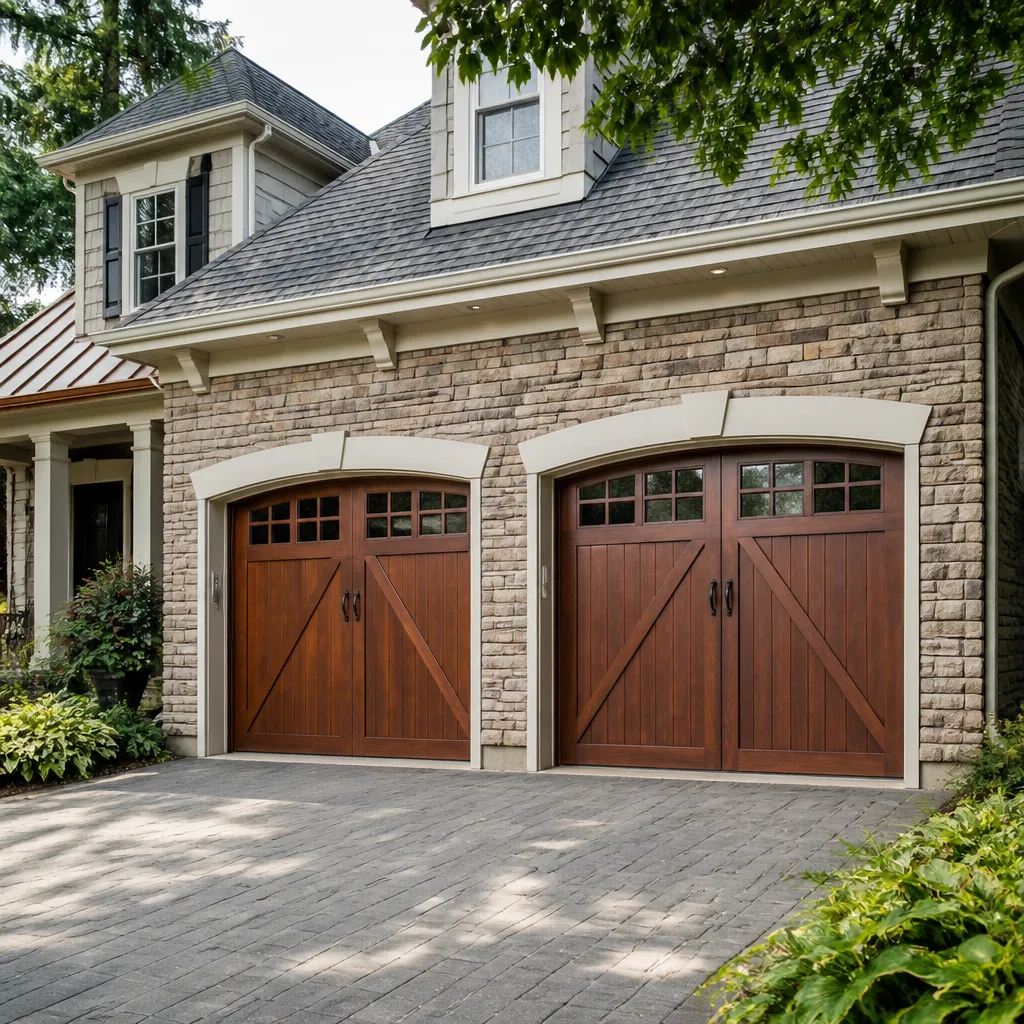 Carriage house
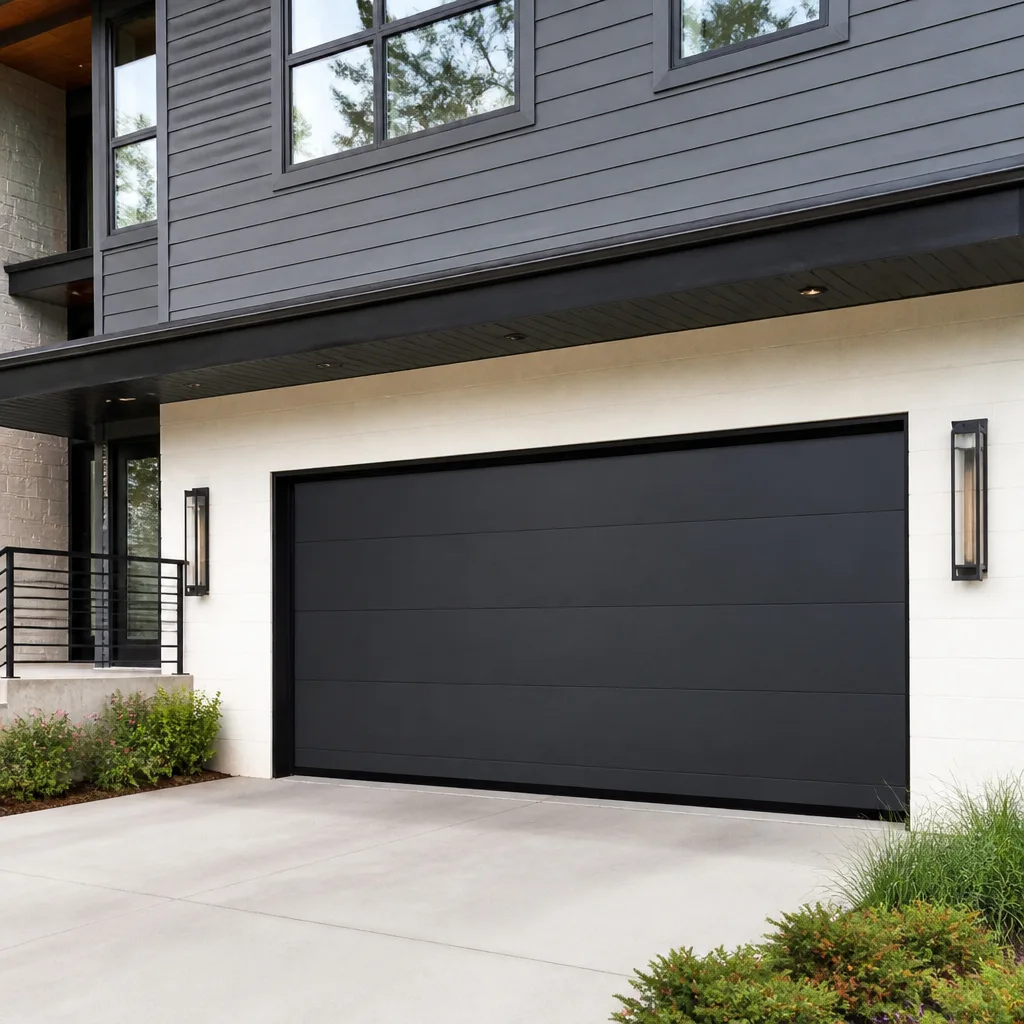 Modern flush
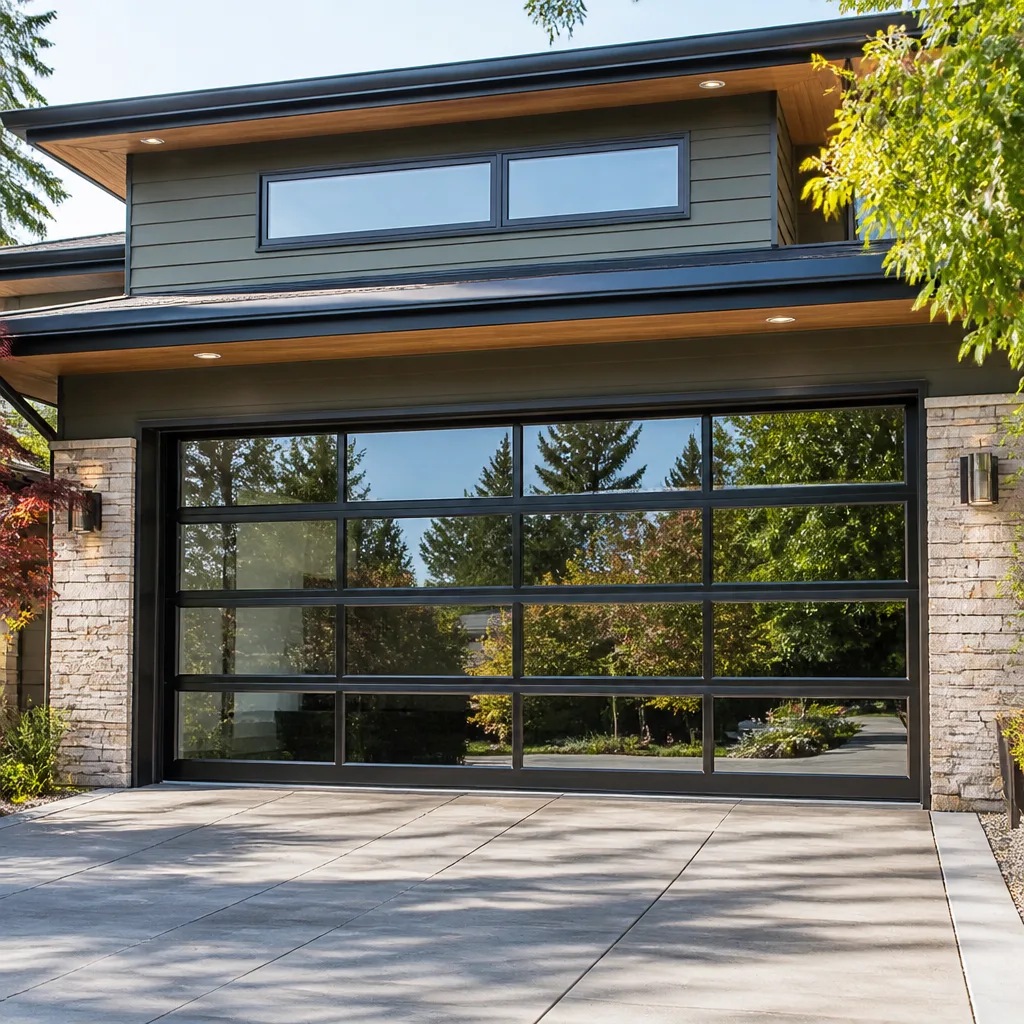 Full-view glass
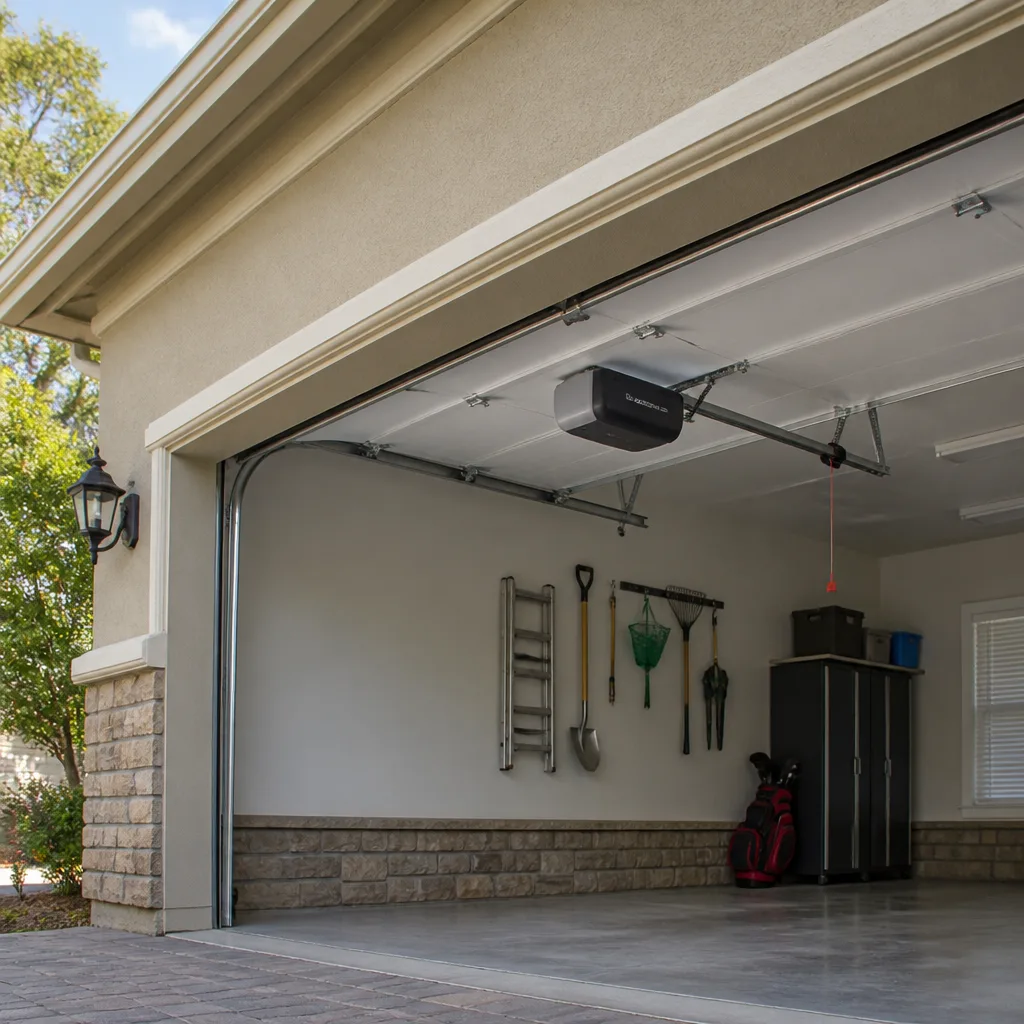 LiftMaster openers
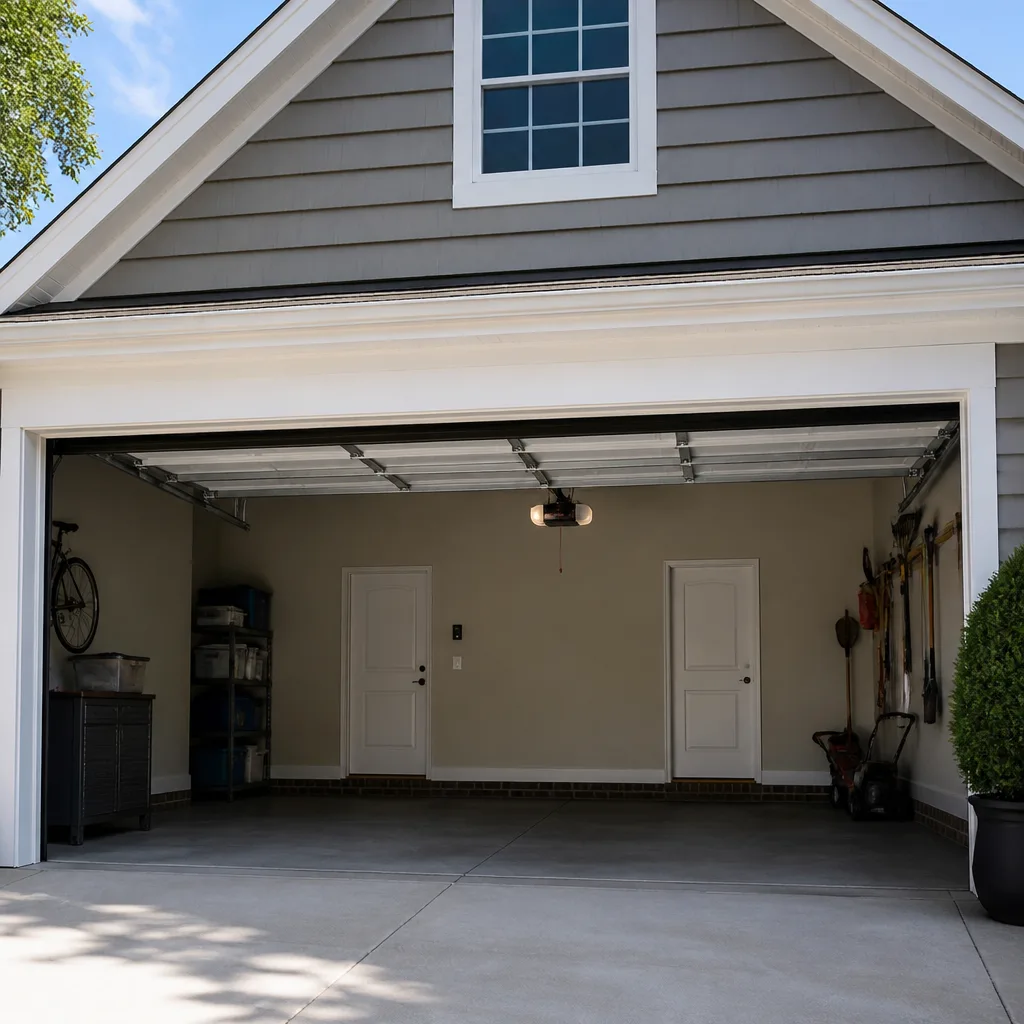 Chamberlain openers
Full 25-point door and opener safety check with every visit - springs, cables, rollers, tracks, and your LiftMaster or Chamberlain opener included
You get a price before we start. It does not change when the pro arrives.
Get your free estimateGarage Door Repair Maintenance Schedule: What to Do and When
Most homeowners think a garage door needs steady, year-round attention. It doesn’t. The number-one cause of emergency garage door calls in fall is a spring that was never lubricated in spring. That’s not bad luck. It’s a 10-minute task skipped months earlier that can turn into a $200-$350 repair when the door finally refuses to open. A garage door is your home’s largest moving part, and it responds to timing more than to effort. Do the right four tasks at the right points on the calendar and you prevent most of what goes wrong. Do them out of order and you burn a weekend and still miss the failure that was building. In this guide, Sterling Garage Door Repair Pros lays out a schedule built around Sterling’s four real seasons, so you know exactly what to do and when.
Quick Answer
A garage door needs four maintenance passes a year, timed to the seasons: a spring lubrication in spring, humidity prep before summer, cold-contraction lubrication before winter, and a hardware torque check plus a balance test every quarter. Add a post-storm inspection after any serious weather. Each task takes 10 to 30 minutes. The single highest-value habit is lubricating the springs and hinges before the cold sets in, because that’s what prevents most winter failures.
Styles & brands we work with
- Raised-panel steel
- Carriage house
- Modern flush
- Full-view glass
- LiftMaster openers
- Chamberlain openers
Table of Contents
- The Sterling Seasonal Maintenance Schedule
- Which Lubricant Goes Where (and What Never to Use)
- The 60-Second Balance Test
- Weatherstripping and Northern Virginia’s Freeze-Thaw Cycle
- The Annual Hardware Torque Check
- Printable Task-by-Task Checklist
- Common Mistakes to Avoid
- When to Call a Professional
The Sterling Seasonal Maintenance Schedule
Sterling gets four clearly different seasons, and each one stresses your garage door in a different way. A generic national maintenance template tells you to “check your door monthly” and leaves it there. That’s not useful, because the door doesn’t fail evenly across the year. It fails at the transition points. Build your maintenance around those transitions and you’ll be ahead of almost every failure.
Here’s how the year breaks down in Sterling, Virginia:
- Spring (March to May): Lubricate the torsion springs, hinges, and rollers. This is the pass that most homeowners skip, and it’s the one that matters most. A properly lubricated spring handles the temperature swings of spring and holds up better heading into summer.
- Early summer (June): Humidity prep. Check the bottom seal and the weatherstripping around the frame. Northern Virginia summers bring sustained humidity that works on rubber and wood; a seal that’s starting to crack in June will be failing by August.
- Fall (October to November): Pre-winter cold-contraction lubrication. Metal contracts in the cold, and dry metal grinds. A second lubrication pass before the first hard freeze is what keeps springs and hinges moving smoothly through January and February.
- Winter and after any storm: Post-storm inspection. Look for bent tracks, misaligned panels, and debris in the tracks after high winds or ice. Then do your quarterly balance test to catch a weakening spring before it snaps.
The torque check on all the hardware (bolts, brackets, hinges) belongs on an annual schedule, but you can fold a quick visual pass into each seasonal visit. If you’re not sure your door is holding up between visits, a professional garage door repair inspection is the fastest way to find out.
Which Lubricant Goes Where (and What Never to Use)
Using the wrong lubricant is worse than using none. WD-40 and general-purpose grease are the two most common offenders, and both can actively damage the parts you’re trying to protect. WD-40 is a solvent, not a lasting lubricant; it strips the existing lubricant off your rollers and leaves the metal dry. Grease attracts dust and grit, which turns into an abrasive paste inside the rollers and on the tracks. The result is a door that runs louder and wears faster.
What to use instead, and where:
- Torsion springs and extension springs: A white lithium grease or a silicone-based spray. Apply a light coat along the coil, then run the door up and down a couple of times to work it in.
- Hinges and the pivot points: A silicone spray or a dedicated garage door lubricant. A drop or two per hinge is enough.
- Rollers: Silicone spray on metal rollers. Nylon rollers generally need no lubrication at all and should be left alone.
- Tracks: Nothing. Tracks should stay clean and dry. If they look grimy, wipe them down with a damp cloth and let them dry. Never grease a track.
- Weatherstripping and seals: A silicone-based protectant to keep the rubber from drying out and cracking. Never use petroleum-based products on rubber seals.
If your door runs on a Chamberlain or Genie opener, the lubrication routine is the same, but pay attention to the rail and the chain or belt as well. A dry chain on a chain-drive opener gets noisy quickly. Sterling Garage Door Repair Pros technicians have up to 8 years of experience working on these systems and can tell you in a few minutes whether the noise you’re hearing is dry hardware or a part that needs replacing.
The 60-Second Balance Test
The balance test is the single most useful thing a homeowner can do, and almost nobody does it. It takes about a minute, and it tells you whether your spring is losing tension before the spring actually fails. A door that’s out of balance is a door with a spring on its way out.
Here’s how to run it:
- Disconnect the door from the opener using the manual release cord (pull it straight down).
- Lift the door by hand to about halfway up, then let go.
- Watch what happens. A properly balanced door should stay roughly in place, or drift only slightly.
- If the door sags down hard, drops fast, or shoots up on its own, the springs are out of balance.
- Reconnect the opener when you’re done and run the door through a full cycle to confirm it works normally.
Run this test once a quarter, at the start of each season. If the door fails the test, don’t wait for it to snap. A spring that’s losing tension can usually be replaced before it fails, on a scheduled visit rather than an emergency call. One word of warning: never try to adjust or replace the springs yourself. Torsion springs are under extreme tension and can cause serious injury. That’s a job for a trained technician, and it’s why garage door spring repair is one of the most important calls you can make when the balance test tells you something’s wrong.
Weatherstripping and Northern Virginia’s Freeze-Thaw Cycle
Northern Virginia’s freeze-thaw cycle is hard on garage door seals. Water gets into a small crack in the bottom seal during a mild afternoon, then freezes overnight when the temperature drops, and the expansion widens the crack. Repeat that cycle through a Sterling winter and a seal that looked fine in November is split and leaking by February. This is the part of the door most homeowners never look at, and it’s the part that fails fastest in this climate.
What to check, and when:
- The bottom seal: Run your hand along the bottom edge and look for cracks, hardening, or gaps where the seal meets the floor. A brittle seal that’s lost its flexibility needs replacing before the first freeze.
- The side and top weatherstripping: Check for gaps where the frame meets the door, especially at the corners. This is where cold air and moisture get in.
- The threshold: Look for standing water or ice buildup under the door after a storm. If you see it, the bottom seal isn’t doing its job.
A failed bottom seal isn’t just a comfort issue. It lets in cold air, moisture, and pests, and it can let water pool against the door and the tracks. Replacing weatherstripping is a quick job that’s worth doing in the fall so the seal is fresh heading into winter. If the seal is failing and your door also runs rough, a single call covers both.
The Annual Hardware Torque Check
Once a year, go around the door and check that every bolt, bracket, and hinge is tight. Vibration from normal use slowly loosens hardware, and a loose bracket lets a hinge shift, which throws off the alignment of the whole door. A door that’s out of alignment runs harder, wears its rollers faster, and puts more strain on the opener. This is a low-effort task that prevents a lot of downstream problems.
What to check:
- All the hinge bolts along both sides of the door.
- The brackets that hold the torsion spring assembly or the extension springs.
- The bolts on the track supports and the flag brackets at the top of each track.
- The bolts that attach the opener rail and the door arm to the door.
Use a socket wrench or a nut driver and snug everything down. Don’t overtighten; you’re aiming for tight, not crushed. If a bolt spins freely or a bracket feels loose no matter how much you tighten it, the hardware may be worn and needs replacing. Sterling Garage Door Repair Pros covers springs, garage door opener repair, panels, and full installation, so a hardware issue found during this check won’t send you hunting for a different company.
Printable Task-by-Task Checklist
Here’s the whole schedule on one page, with a realistic time estimate for each task. Budget about two hours of actual work spread across the year. Most of that is the two lubrication passes.
- Spring lubrication pass (spring, about 15-20 minutes): Lubricate springs, hinges, and metal rollers with silicone or white lithium. Wipe tracks clean.
- Balance test (every quarter, about 60 seconds): Release the door from the opener, lift halfway, let go, and watch for sag or fast travel.
- Humidity prep (early summer, about 20 minutes): Inspect the bottom seal and weatherstripping for cracks and gaps. Apply a silicone protectant to rubber seals.
- Fall cold-contraction lubrication (about 15-20 minutes): Second lubrication pass on springs and hinges before the first freeze.
- Weatherstripping inspection (fall, about 15 minutes): Check the bottom seal, side seals, and threshold for freeze-thaw damage. Replace anything cracked or brittle.
- Annual torque check (once a year, about 20 minutes): Tighten all hinge bolts, spring brackets, track supports, and opener mounts.
- Post-storm inspection (after any serious weather, about 10 minutes): Check tracks for bends, panels for dents, and the door for smooth travel.
- Opener check (every season, about 2 minutes): Test the safety reverse feature and the wall control. If you have a LiftMaster or Chamberlain opener, confirm the battery in the remote and keypad is fresh.
Print this list and put it somewhere you’ll see it, like the wall by the door. A schedule on a screen gets forgotten; a checklist on the wall gets followed. And if a task turns up something you’d rather not handle, or your door has a Clopay or Amarr panel that’s out of alignment, a professional visit covers it in one trip.
Common Mistakes to Avoid
- Skipping the spring lubrication and only greasing the tracks. The tracks are the one place lubrication does harm, and the springs are the one place it does the most good. Reverse those and you’re doing the wrong task.
- Using WD-40 or grease on moving parts. Both can damage rollers and seals and leave the door noisier than when you started. Use a silicone or white lithium product designed for garage doors.
- Doing the balance test once and never again. A single pass tells you the door is fine today. Running it quarterly is what catches a spring losing tension before it fails in Sterling’s cold.
- Ignoring the bottom seal until water is on the floor. Northern Virginia’s freeze-thaw cycle cracks seals faster than warmer climates do. Check the seal in the fall, not after the first leak.
- Overtightening hardware during the torque check. Snug is the goal. Crushing a bracket or stripping a bolt creates a new problem and can warp the door alignment.
- Trying to adjust or replace torsion springs yourself. Springs are under extreme tension and are one of the most dangerous DIY repairs there is. The balance test is a homeowner task; spring replacement is not.
- Treating a rough-running door as normal. A door that’s gotten louder or slower is telling you something is out of adjustment. Catch it early and it’s a small fix; ignore it and it becomes an emergency call.
See the difference
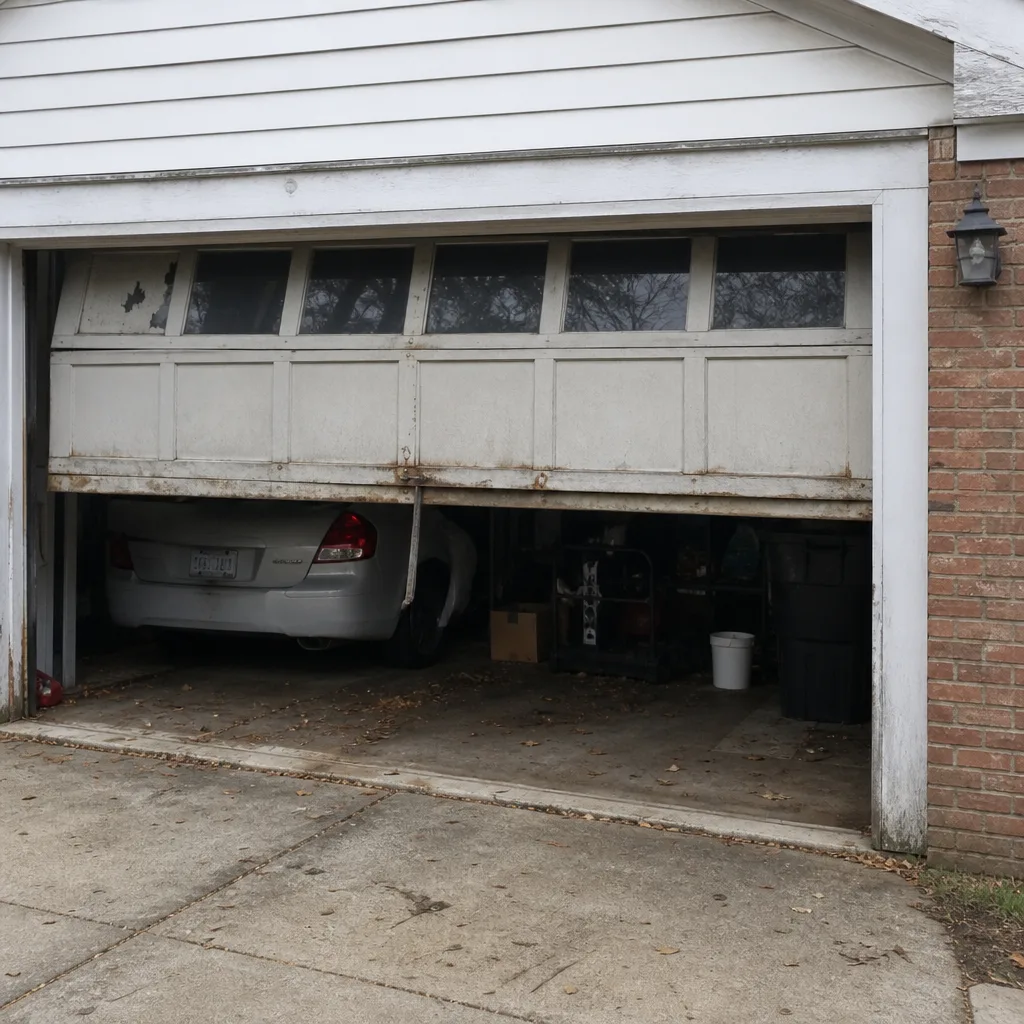 Before
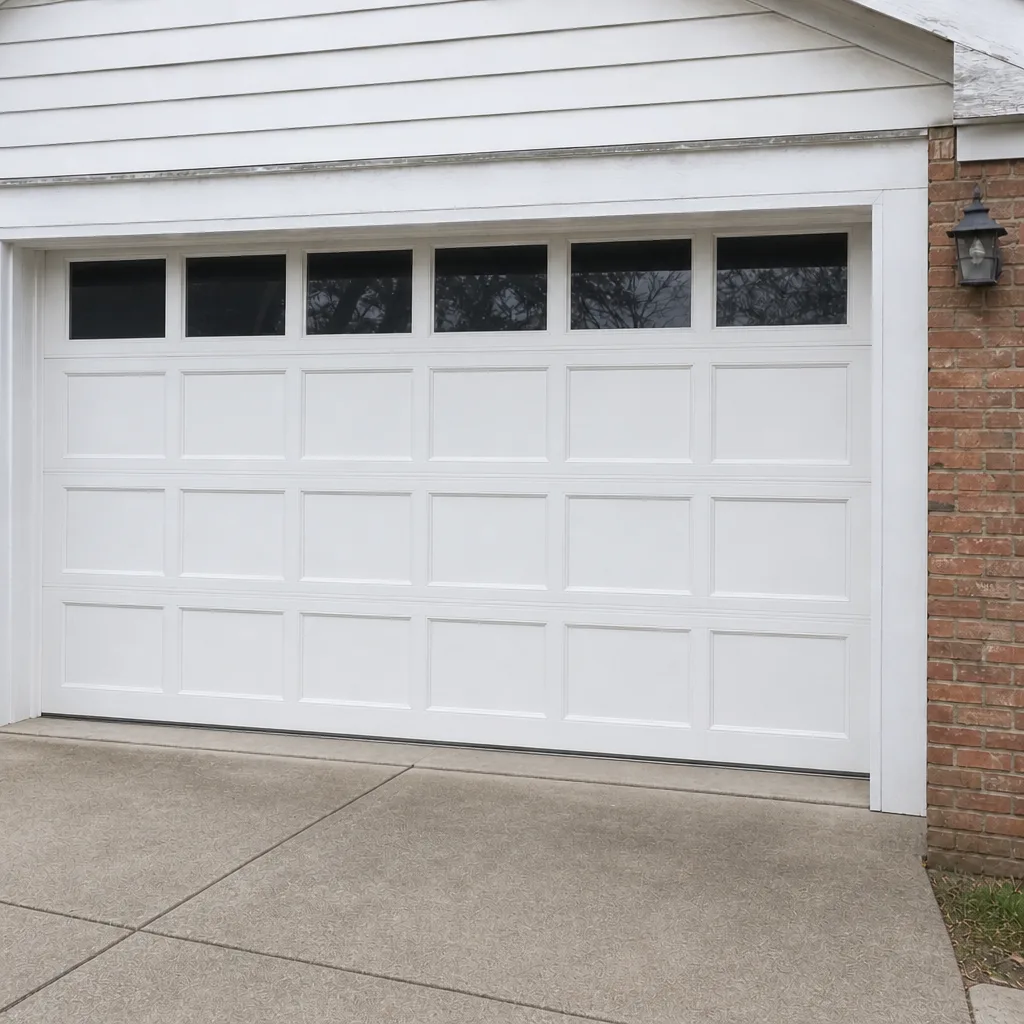 After
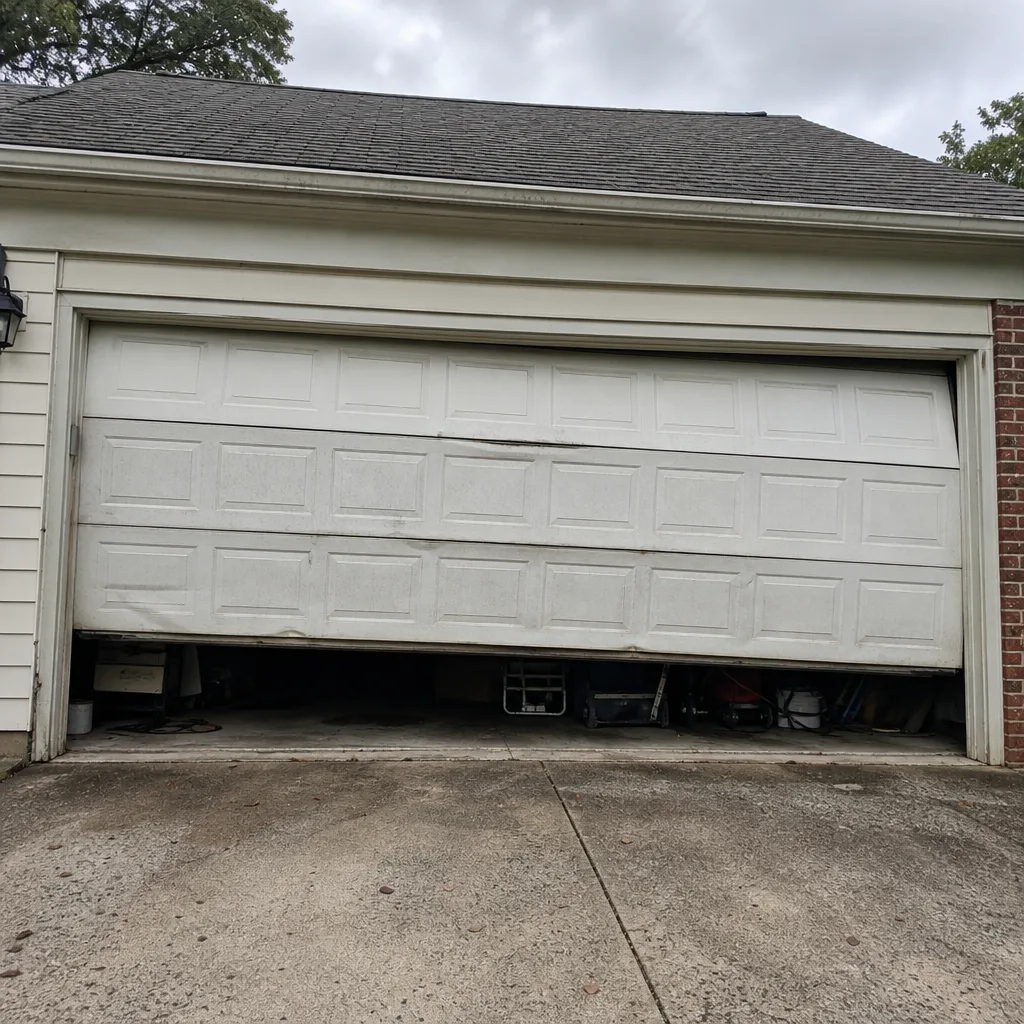 Before
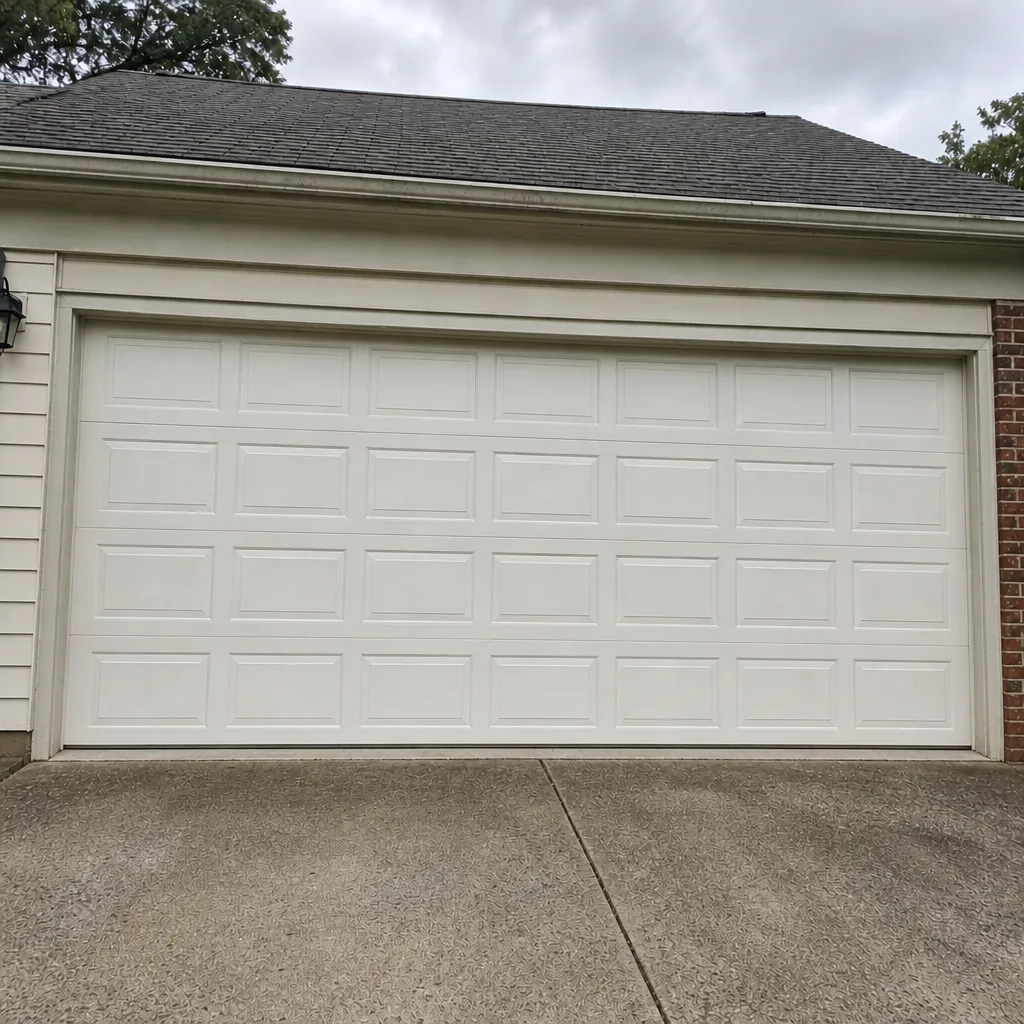 After
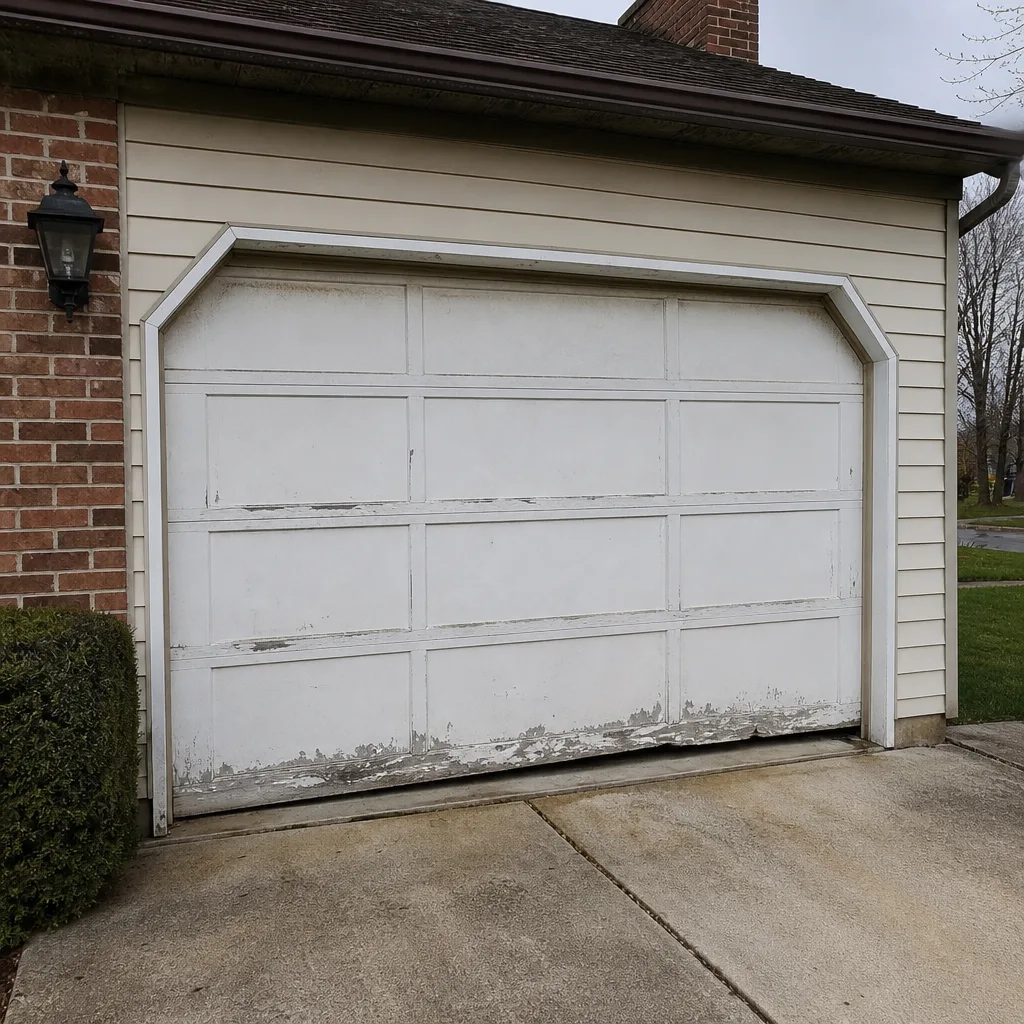 Before
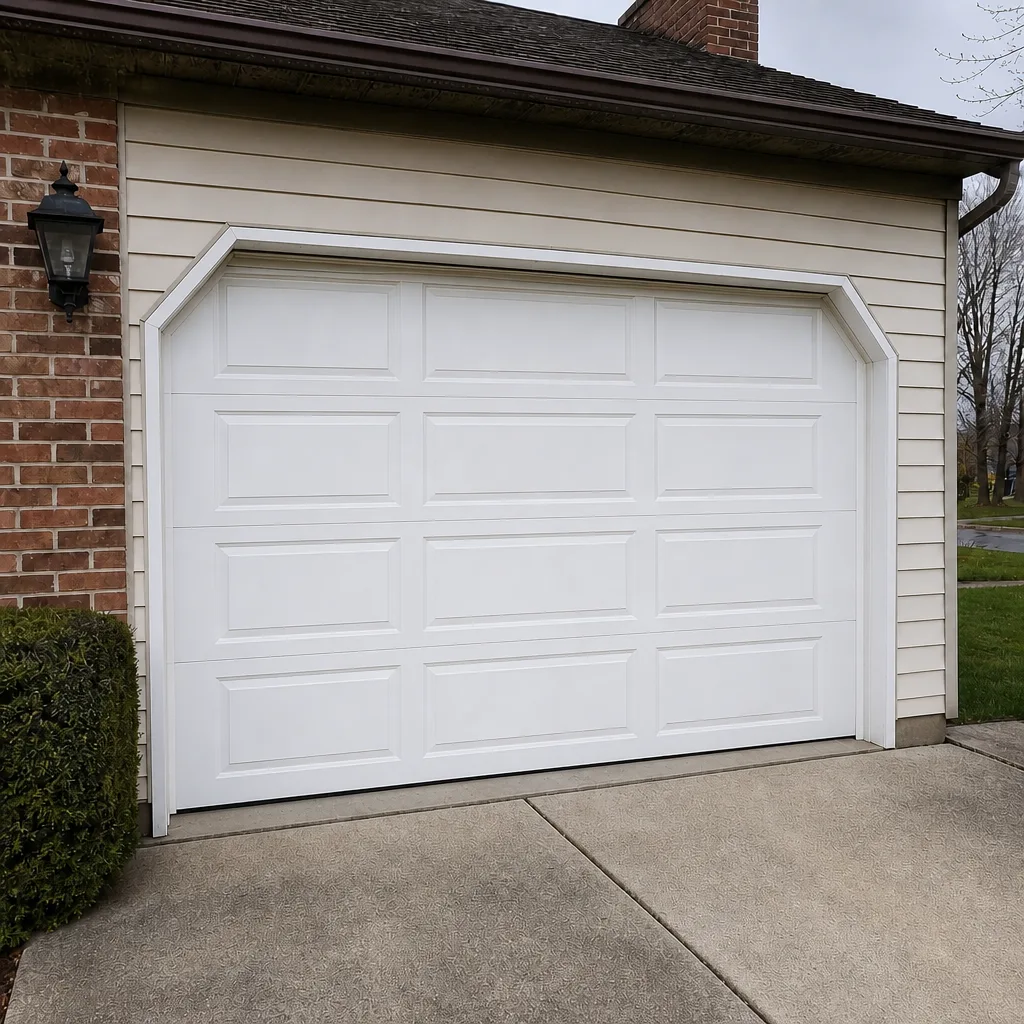 After
When to Call a Professional
Some tasks are homeowner work and some aren’t. Call a professional if the balance test fails, if a spring looks stretched, bent, or has visible gaps in the coil, or if you hear a loud bang from the garage and the door won’t lift. Call if the door is off its tracks, if a panel is bent, if the opener runs but the door doesn’t move, or if the door reverses on its own partway down. Any of these means the door isn’t safe to keep using. Do not force a jammed door open or closed; the damage and the risk both go up. Sterling Garage Door Repair Pros offers free estimates in Sterling – call (855) 684-1720, and we’ll tell you what’s wrong and what it takes to fix it.
Frequently Asked Questions
Four passes a year, timed to the seasons, plus a quarterly balance test. That’s two lubrication passes, one humidity prep in early summer, one weatherstripping inspection in fall, and an annual hardware torque check, with a post-storm inspection after any serious weather. The whole schedule totals around two hours of work spread across the year.
Lubricating the springs before winter. Cold contraction makes dry metal grind, and that’s what turns a minor issue into a snapped spring. The fall lubrication pass is the highest-value 15 minutes you’ll spend on the door all year. Call (855) 684-1720 if you’d rather have a technician handle it – estimates are free.
Yes, and you should. Lubricating springs, hinges, and metal rollers with silicone or white lithium is safe and straightforward. Never use WD-40 or grease, and never lubricate the tracks. Leave spring adjustment and replacement to a professional, because torsion springs are under extreme tension.
Typical repair costs in the Sterling area run from about $150 for a small adjustment to $350-$600 for a spring replacement, with a single spring toward the lower end and a matched pair costing about twice a single spring. The written estimate sets the final price, and you’ll know it before any work starts. Call (855) 684-1720 for an exact quote – estimates are free.
Yes, emergency service is a core part of what we do, and a door that won’t open or close is exactly the kind of call we prioritize. Call (855) 684-1720 and we’ll get a technician out as quickly as we can. If it’s a weekend, we’re closed on Saturday and can book you for Sunday.
No. The price is quoted and agreed before any work starts, and the written estimate sets the final number. If we find something during the visit that changes the scope, we’ll show you and get your approval before doing anything additional. You won’t get an invoice bigger than the quote.
Most likely, yes. We service eight major brands: LiftMaster, Chamberlain, Genie, Clopay, Amarr, Wayne Dalton, Craftsman, and Raynor. That covers both the door itself and the opener that drives it, so one call handles the whole system. If your brand isn’t on that list, call and we’ll tell you honestly whether we can help.
The Bottom Line
A garage door doesn’t need constant attention. It needs the right four tasks done at the right times of year, and doing them in the wrong order wastes effort and misses the failures that actually matter. Lubricate the springs in spring and again before winter. Prep the seals for summer humidity and inspect them for freeze-thaw damage in fall. Run the balance test every quarter. Tighten the hardware once a year. That schedule covers most of what goes wrong, and it’s realistic to keep up with. When something crosses the line from maintenance into repair, Sterling Garage Door Repair Pros is ready to help. Call (855) 684-1720 for a free estimate, and we’ll get your door running the way it should.
If you want to start with the full range of what we handle, take a look at Sterling Garage Door Repair Pros and see how springs, openers, panels, and installation fit together under one roof.
Written by the team at Sterling Garage Door Repair Pros.