Last updated November 23, 2026
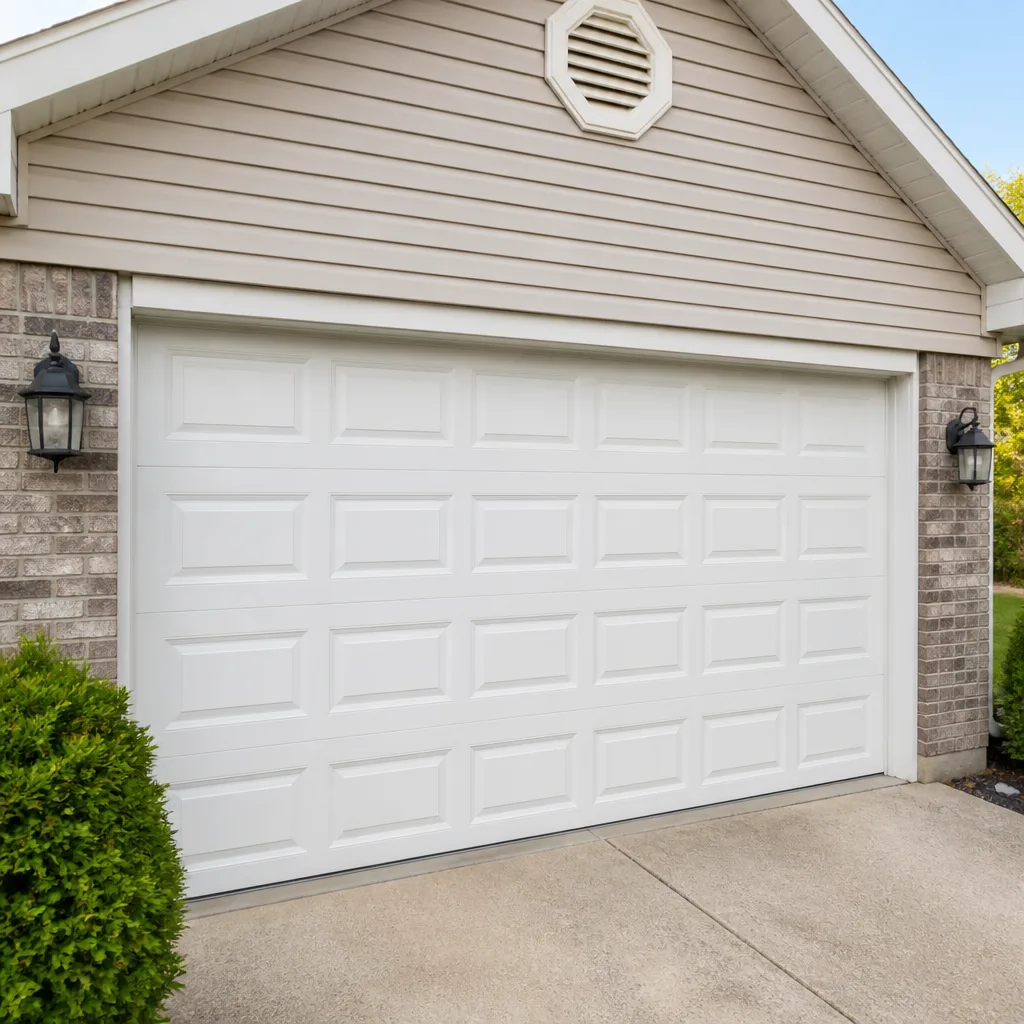 Raised-panel steel
 Carriage house
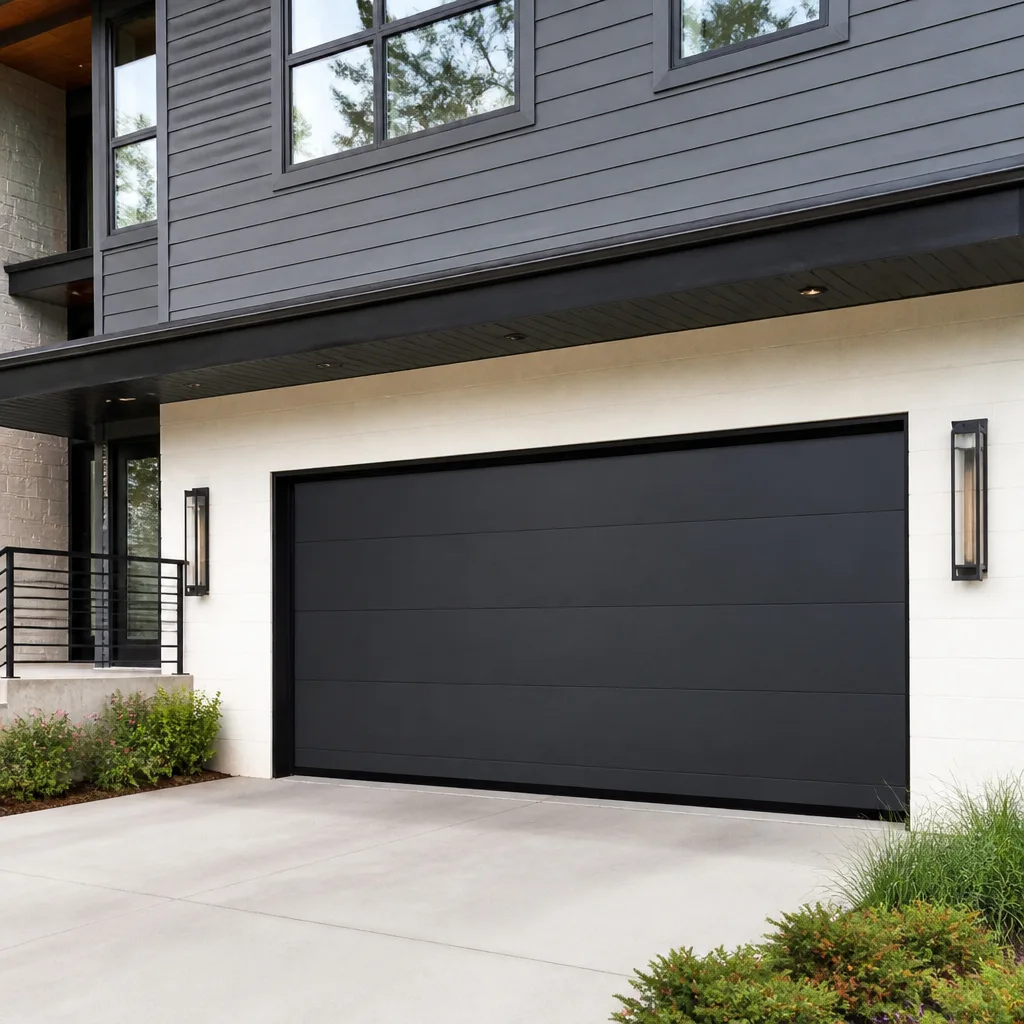 Modern flush
 Full-view glass
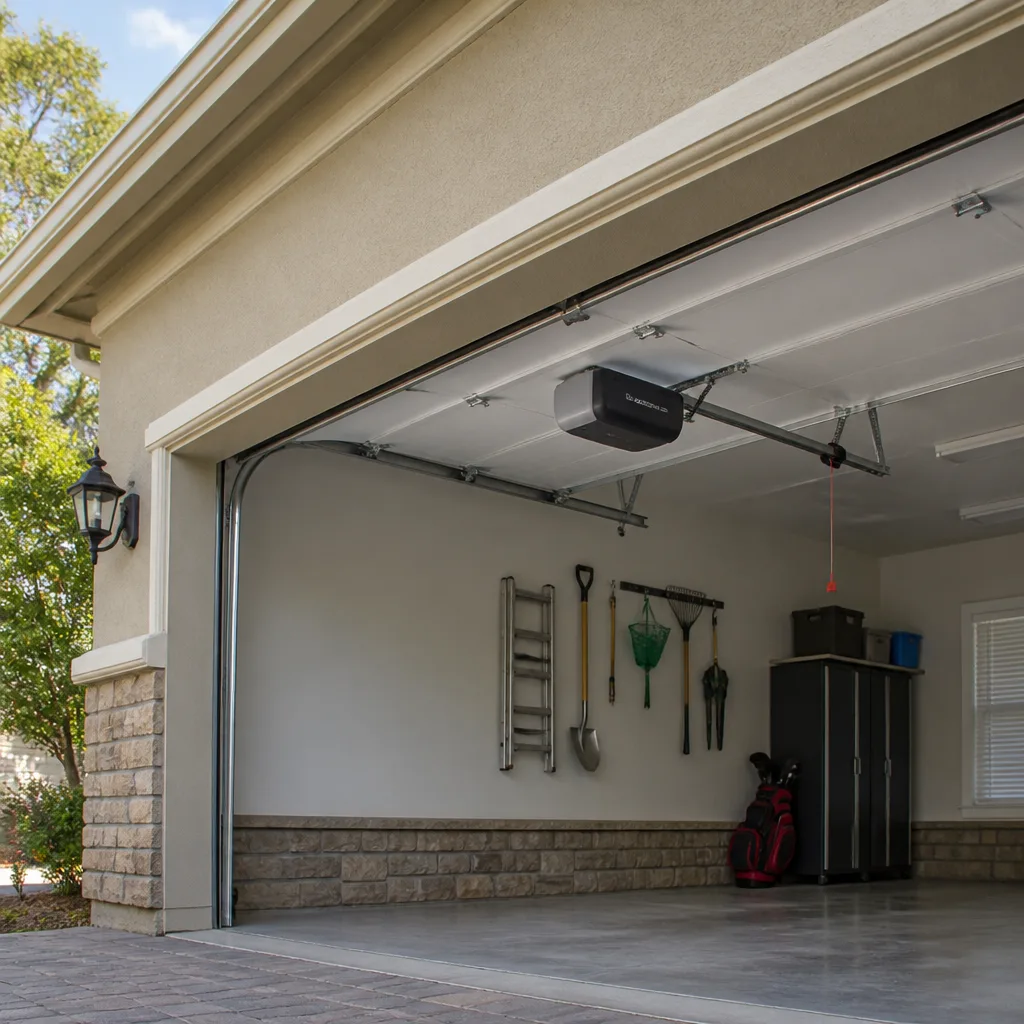 LiftMaster openers
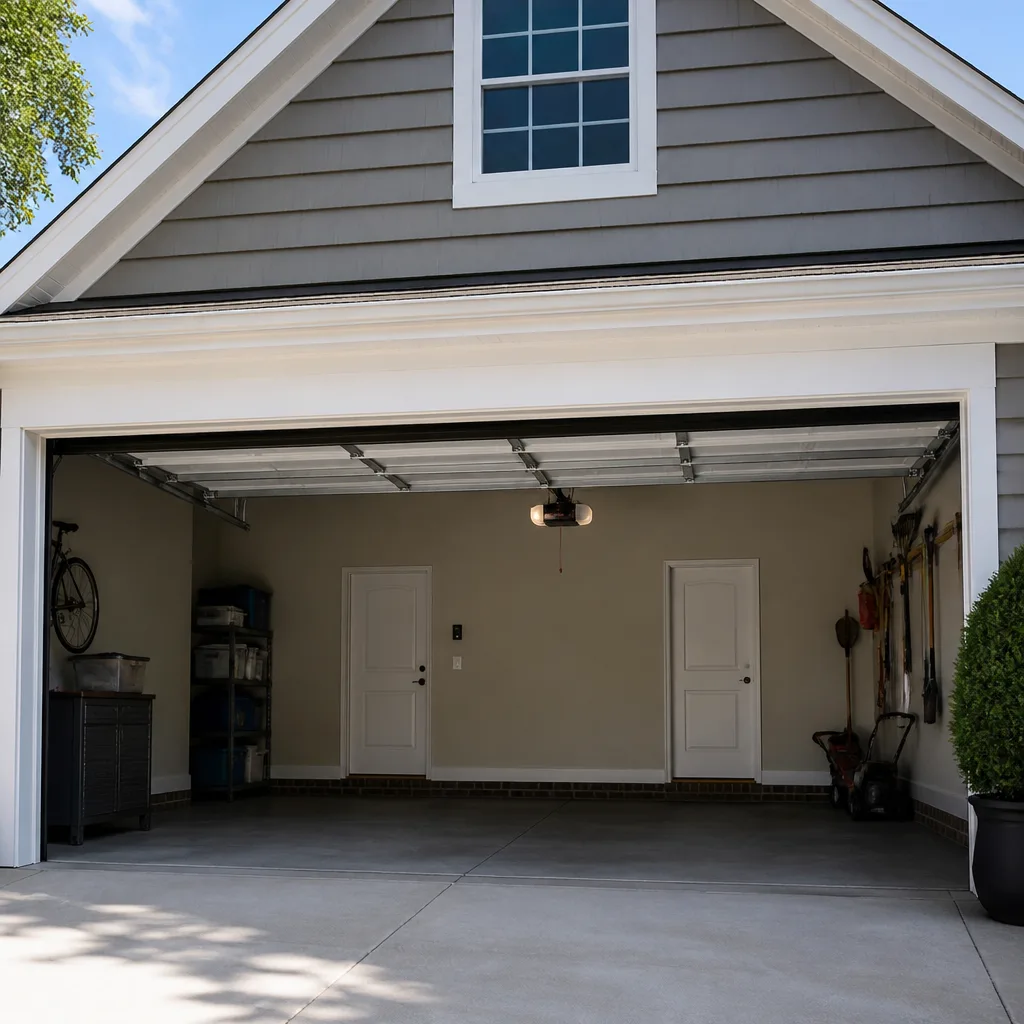 Chamberlain openers
Full 25-point door and opener safety check with every visit - springs, cables, rollers, tracks, and your LiftMaster or Chamberlain opener included
You get a price before we start. It does not change when the pro arrives.
Get your free estimateGarage Door Repair Maintenance Checklist for Sterling Homeowners
The number one call we get in March isn’t random. Springs snap after a winter of thermal cycling, and the homeowners who call us are usually the ones who never touched their door between October and February. Most maintenance checklists floating around online are written for a generic climate that doesn’t exist. They tell you to “inspect seasonally” and call it a day. That advice fails here, because Sterling’s freeze-thaw rhythm does specific damage on a specific schedule. This guide gives you a month-by-month plan timed to how doors actually fail in Sterling, plus the inspection points most checklists skip entirely. We’re Sterling Garage Door Repair Pros, and this is the checklist we’d hand a neighbor.
Quick Answer
A garage door maintenance checklist for Sterling should be timed to temperature swings, not calendar seasons. Lubricate torsion springs and hinges monthly through freeze-thaw months, inspect the bottom seal for gaps each spring as concrete shifts, and check cables and drums for wear every fall after summer heat stress. A five-minute safety test once a month catches most failures before they strand you.
Styles & brands we work with
- Raised-panel steel
- Carriage house
- Modern flush
- Full-view glass
- LiftMaster openers
- Chamberlain openers
Table of Contents
- Why Timing Matters More Than the Task List
- The Month-by-Month Schedule for Sterling
- Lubrication Intervals for a Freeze-Thaw Climate
- Checking Weatherstripping and the Bottom Seal Gap
- Cable and Drum Wear After Summer Heat
- The Five-Minute Monthly Safety Check
- Opener and Safety Sensor Checks
- Common Mistakes to Avoid
- When to Call a Professional
- Frequently Asked Questions
Why Timing Matters More Than the Task List
A checklist is only as good as its schedule. You can lubricate every hinge in your garage and still snap a spring in February if you did it in July and skipped the cold months. Up north of us, doors fail on a different curve. Down in the valley, heat drives the problems. Sterling sits in a spot where both matter: cold snaps that cycle the metal, warm summers that stress the cables, and concrete that moves with the frost line.
The result is a predictable failure pattern. We see spring failures cluster in late winter and early spring, cable and drum issues surface in fall, and seal gaps appear in spring as the ground thaws and the slab shifts. None of that is bad luck. It’s physics on a timeline, and you can plan around it.
Most checklists treat the garage door as one unit. Ours splits it into systems, because each fails on its own clock. Springs, openers, panels, cables, rollers, seals. In our experience, the homeowner who understands which system is under stress this month gets years more life out of the whole door.
If you’d rather have a professional walk the whole system, that’s what we do. Our technicians have up to 8 years of experience and work on the brand already on your garage, whether that’s a Craftsman opener or a Raynor door. For a full rundown of what we handle, see Sterling Garage Door Repair Pros.
The Month-by-Month Schedule for Sterling
Here’s the schedule we recommend. It’s built around Sterling’s actual temperature swings, not the generic “spring and fall” advice you’ll find elsewhere. Print it, stick it on the wall by the door, and check it off.
- January: Listen for popping or creaking when the door moves. Cold metal tolerates less flex. Lubricate hinges and rollers if you haven’t since fall.
- February: Watch the torsion springs closely. This is peak snap month. If the door feels heavier or the opener strains, stop using it and get it checked.
- March: Do a full visual inspection of the springs, cables and drums. Check the bottom seal for a new gap as the ground thaws.
- April: Test the auto-reverse and safety sensors. Check weatherstripping on the sides and top for cracks from winter.
- May: Lubricate the full track, hinges and rollers. Tighten any loose bolts you can reach by hand.
- June: Inspect the cable for fraying near the drum. Heat starts stressing the metal now.
- July: Check the opener’s force settings and balance the door manually. Listen for grinding in the rollers.
- August: Look at the drum and cable ends for wear. This is when summer heat stress shows up.
- September: Full cable and drum inspection before fall. Check the bottom seal again as the slab settles.
- October: Lubricate everything before the cold arrives. Test the safety reverse one more time.
- November: Watch for the first cold-weather creaks. Check that the door sits flush against the seal.
- December: Test the opener’s battery backup if it has one. Do a visual check of the springs before the deep cold.
This is more granular than most schedules you’ll find. That’s the point. A door that gets attention in February and October lasts longer than one that gets a single “annual maintenance” pass.
Lubrication Intervals for a Freeze-Thaw Climate
Torsion springs in a freeze-thaw climate need lubrication more often than the once-a-year advice you’ll read online. We recommend every two to three months through the cold season and every three to four months the rest of the year. The reason is simple: repeated expansion and contraction works the lubricant out of the coils, and dry coils bind and snap.
What to use:
- Springs and hinges: A lithium grease or a purpose-made garage door lubricant. Not WD-40, which is a solvent, not a lubricant.
- Rollers: A few drops of light oil on the roller stems, not the wheels themselves.
- Track: A light coat of lubricant on the curved section, not the straight runs. The straight track should stay dry so the rollers roll instead of slide.
- Opener chain or screw: Follow the manufacturer’s spec for your model. LiftMaster and Chamberlain both publish their own recommendations.
One important caveat: lubricating a spring doesn’t make it safe to adjust or replace. Torsion springs are under extreme tension and can cause serious injury if handled wrong. Lubrication is a maintenance task. Adjustment and replacement are not. If a spring is broken, call a trained professional. Never try to wind or unwind one yourself.
Checking Weatherstripping and the Bottom Seal Gap
The bottom seal gap is one of the most common spring problems in Sterling, and most homeowners never check for it. Here’s why it happens: the concrete slab your garage sits on expands and contracts with the freeze-thaw cycle. Over a few winters, the slab can heave slightly, and the door’s bottom seal no longer meets it the way it did when new.
What to check each spring:
- The gap test: Close the door, then look for daylight under it from inside the garage. Any visible light is a gap.
- The paper test: Close the door on a sheet of paper and try to pull it out. If it slides free easily, the seal isn’t making contact.
- Side and top seals: Run your hand along the vertical and horizontal weatherstripping. Cracks and brittleness after a cold winter are normal and mean it’s time to replace.
- The threshold: Look for cracks in the concrete where the door meets the floor. Frost heave often shows up there first.
A gap lets in water, cold air, and in some cases pests. It also puts uneven stress on the door’s bottom section. If the seal is past saving, replacement is a same-day job in most cases. For temperature control and pest prevention, check this every spring.
Cable and Drum Wear After Summer Heat
Summer heat stresses the cables and drums in ways that don’t show up until fall. The metal expands, the cable stretches slightly, and the drum’s grooves wear faster in high temperatures. By September, the wear is visible if you know where to look.
Cable and drum wear indicators to check before fall:
- Fraying: Look at the cable where it wraps around the drum. Any broken strands or a fuzzy appearance means the cable is failing.
- Rust or discoloration: Orange or brown staining on the cable is a warning sign.
- Slack: With the door closed, the cables should be taut. Slack cable means the drum or cable has slipped.
- Drum grooves: Shine a light on the drum. Worn or chewed grooves mean the cable isn’t seating properly.
- Uneven door: If one side of the door lifts higher than the other, a cable or drum is likely involved.
A failing cable is dangerous. It’s under high tension and can whip loose. If you see any of these signs, stop using the door and get a professional to look at it. Cable and drum work is not a DIY job.
The Five-Minute Monthly Safety Check
This is the check any homeowner can do without tools, once a month. It won’t catch everything, but it catches the failures that would otherwise strand you.
- Listen: Open and close the door. Any new grinding, popping, or squealing is a warning.
- Watch the springs: With the door closed, look at the torsion springs above the door. A visible gap in a coil means a broken spring.
- Test the balance: Disconnect the opener (pull the release cord) and lift the door halfway by hand. It should stay there. If it drops or rises on its own, the springs are out of balance.
- Test the auto-reverse: With the door closing, wave an object in front of the safety sensors. The door should reverse immediately.
- Check the sensors: Both sensor lights should be solid, not blinking. A blinking light means misalignment or an obstruction.
That’s it. Five minutes, no tools, and you’ve checked the systems most likely to fail. Do it on the first of every month and you’ll catch problems while they’re still cheap to fix.
Opener and Safety Sensor Checks
The opener is the part of the system most homeowners ignore until it stops working. A few checks each season keep it running and catch problems early.
- Force settings: The opener should lift the door smoothly without straining. If it struggles, the springs may be failing, not the opener.
- Safety sensors: Test monthly, as above. A misaligned sensor is a common cause of “door won’t close” calls.
- Battery backup: If your opener has one, test it once a year. Chamberlain and LiftMaster models with battery backup are common in Sterling homes, and the batteries do age out.
- Remote and keypad: Test range and responsiveness. A weak remote is often a battery, not a repair.
- Chain or belt tension: A loose chain slaps and strains the motor. A professional can tension it correctly.
If the opener is failing, it’s worth knowing whether the fix is a repair or a replacement. For most issues, garage door opener repair is the faster and cheaper route. Our technicians work on LiftMaster, Chamberlain, Genie and Craftsman units, so they arrive already familiar with the hardware on your ceiling.
Common Mistakes to Avoid
- Waiting until fall to lubricate. By then, the freeze-thaw months are already working on the springs. Lubricate before the cold, not after.
- Using WD-40 as a lubricant. It’s a solvent. It cleans but doesn’t protect, and it can strip the grease you actually need.
- Adjusting torsion springs yourself. This is the single most dangerous DIY garage door task. Springs are under extreme tension and can cause serious injury if handled wrong. Call a professional.
- Ignoring a small bottom seal gap. A gap lets water in, stresses the bottom section, and gets worse each winter as the slab shifts. Fix it in spring, not fall.
- Assuming an opener problem is the opener. A struggling opener is often a sign the springs are failing. Replacing the opener won’t fix the door.
- Skipping the monthly safety check. The five-minute test catches most failures before they leave you with a door that won’t open.
- Ignoring the safety sensors. A blinking sensor light is one of the most common causes of a door that won’t close, and it’s usually a simple fix.
Most of these come down to one thing: treating the door as a whole instead of a set of systems on different clocks. The homeowner who knows which part is under stress this month avoids the rest.
When to Call a Professional
Some maintenance is yours to do. Some isn’t. Call a professional if a spring is broken, a cable is frayed or slack, the door is off-balance or uneven, the drum is worn, or the opener is struggling after you’ve ruled out the springs. Also call if you hear a loud bang from the garage (usually a snapped spring), if the door won’t open or won’t close, or if any part looks bent or misaligned. Cable and spring work is dangerous and should only be handled by someone trained for it. For routine fixes, garage door repair is usually a same-day visit, and our team works on the brand already on your garage. If a spring has failed, our garage door spring repair covers a single spring or a matched pair. Sterling Garage Door Repair Pros offers free estimates in Sterling – call (855) 684-1720.
Frequently Asked Questions
Every two to three months through the cold season and every three to four months the rest of the year. Sterling’s freeze-thaw cycle works lubricant out of the coils faster than a milder climate would, so more frequent attention is worth the effort. Use a lithium or purpose-made garage door lubricant, not WD-40.
Because a full winter of expansion and contraction stresses the metal, and the coil fails once it’s been cycled enough times. The first warm snaps in late February and March are when we see the most spring failures. Lubricating before the cold and checking the springs monthly through winter is the best prevention.
No. Torsion springs are under extreme tension and can cause serious injury if handled wrong. This is one of the most dangerous DIY repairs in any home. Lubrication and visual checks are yours to do. Replacement and adjustment need a trained professional.
Close the door and look for daylight under it from inside the garage. You can also close the door on a sheet of paper and try to pull it out. If it slides free, the seal isn’t making contact. Check this every spring as the concrete slab shifts.
Look for fraying or a fuzzy appearance on the cable, rust or discoloration, slack with the door closed, and worn grooves on the drum. If one side of the door lifts higher than the other, a cable or drum is likely involved. Stop using the door and get it checked if you see any of these.
Yes, if it’s one of the eight major brands we cover: LiftMaster, Chamberlain, Genie, Clopay, Amarr, Wayne Dalton, Craftsman, and Raynor. We’re certified to work on all eight, so technicians arrive familiar with the exact hardware on your garage. Call (855) 684-1720 for a free estimate.
The Bottom Line
A garage door maintenance checklist only works if it’s timed to actual failure patterns. In Sterling, that means lubricating through the freeze-thaw months, checking the bottom seal each spring, and inspecting cables and drums before fall. The five-minute monthly safety check catches most problems while they’re still small. Skip the generic advice and follow the schedule. Springs, openers, panels and full installations are all one call to Sterling Garage Door Repair Pros at (855) 684-1720. Free estimates, same-day service for repairs, and a written price agreed before any work starts. For a closer look at how we work, see our garage door repair service.
Written by the team at Sterling Garage Door Repair Pros.
See the difference
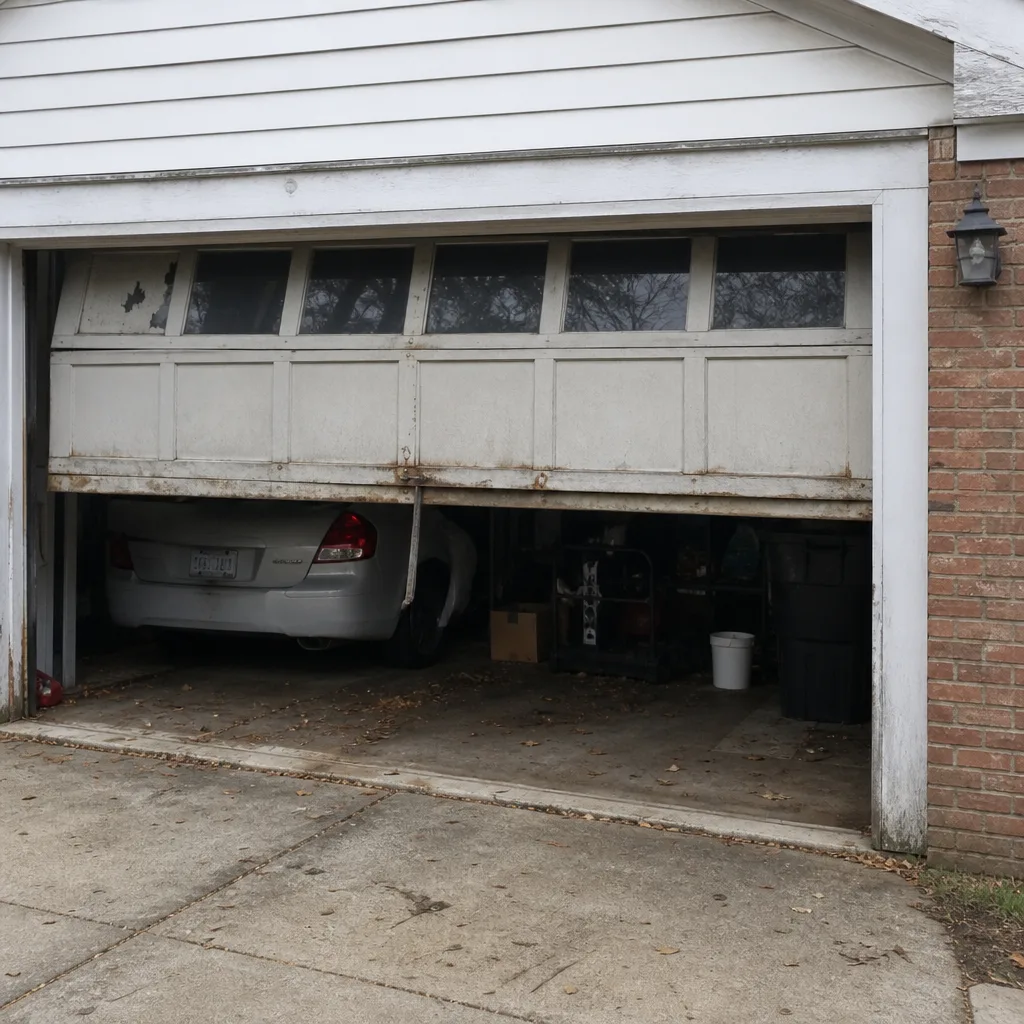 Before
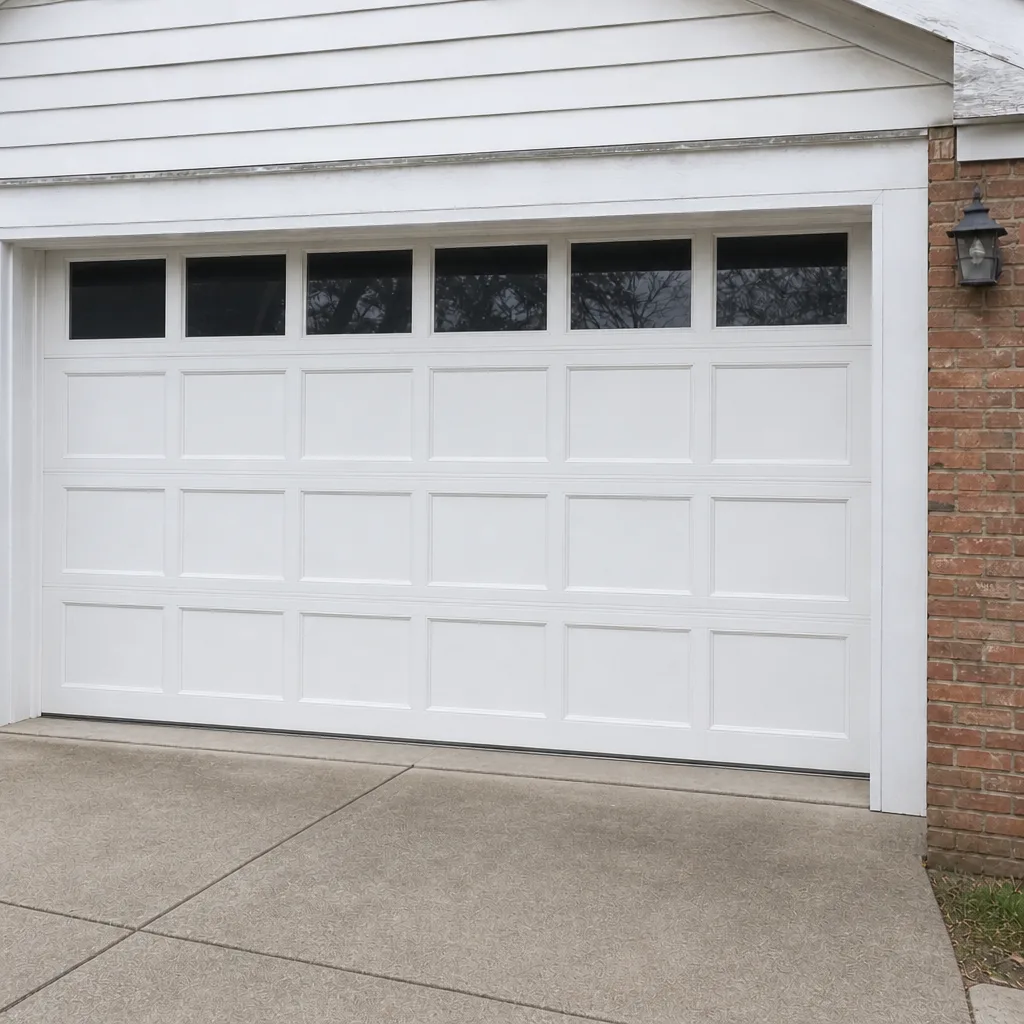 After
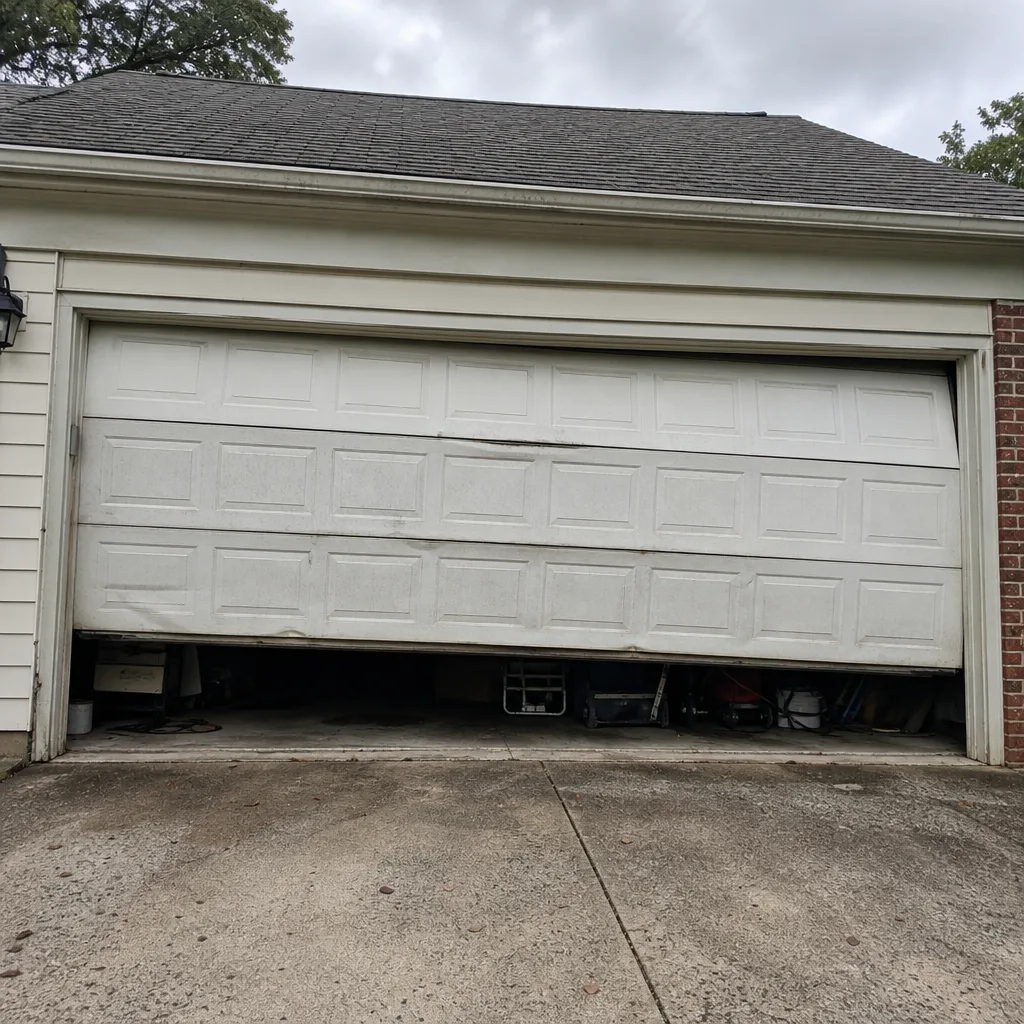 Before
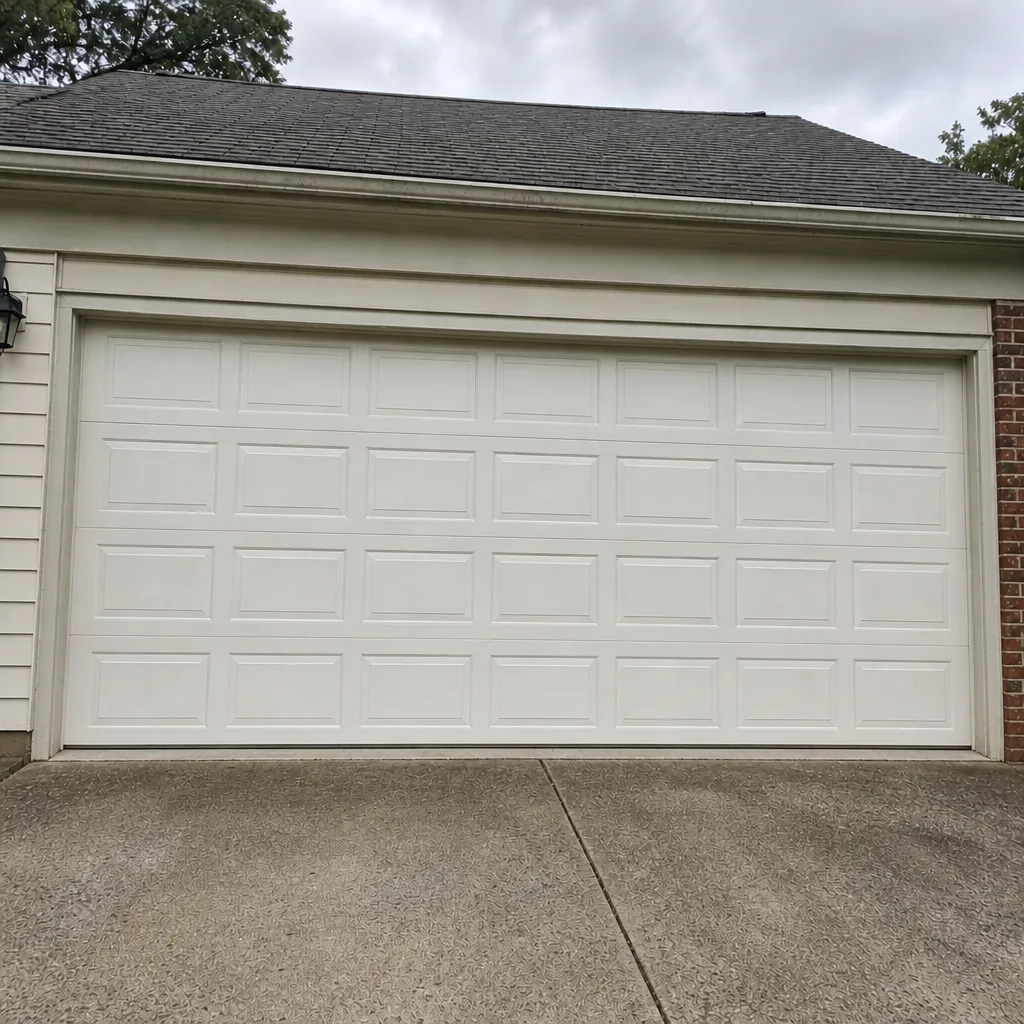 After
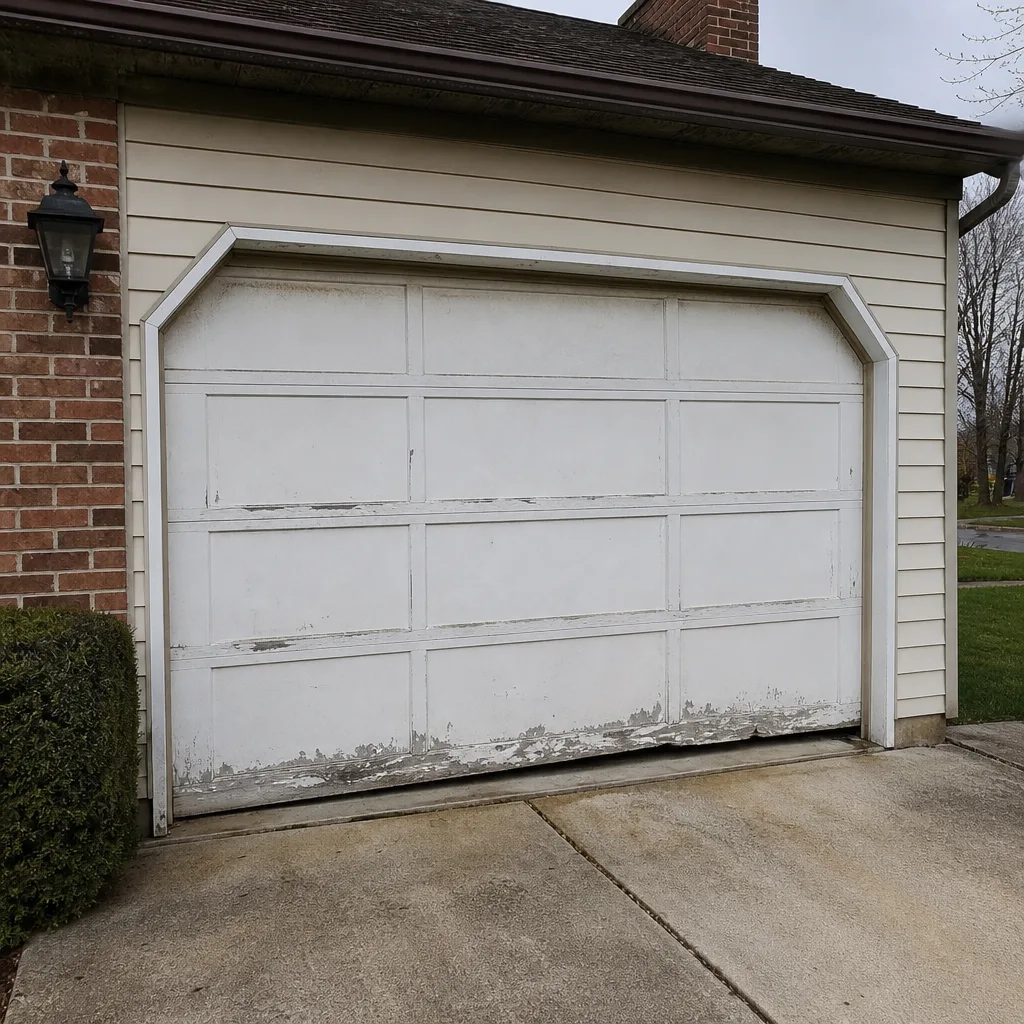 Before
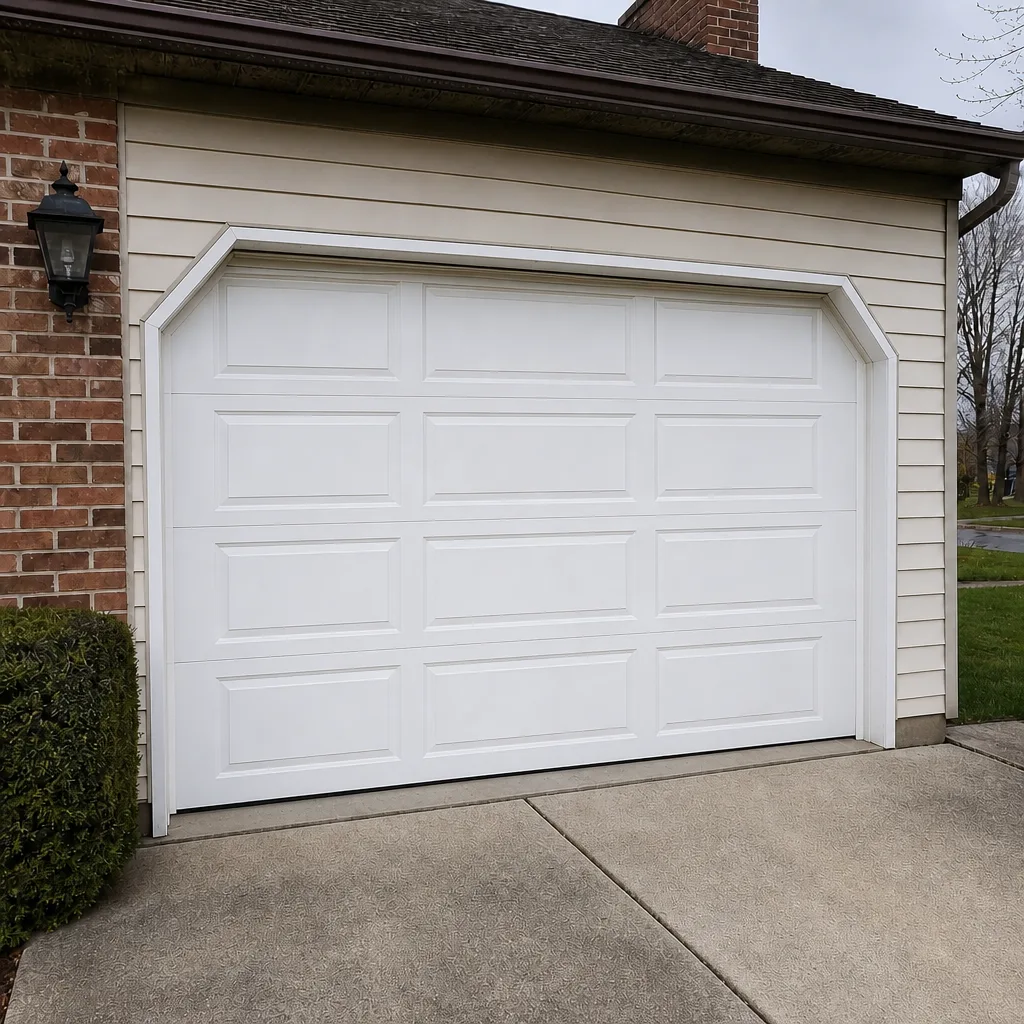 After