Last updated November 23, 2026
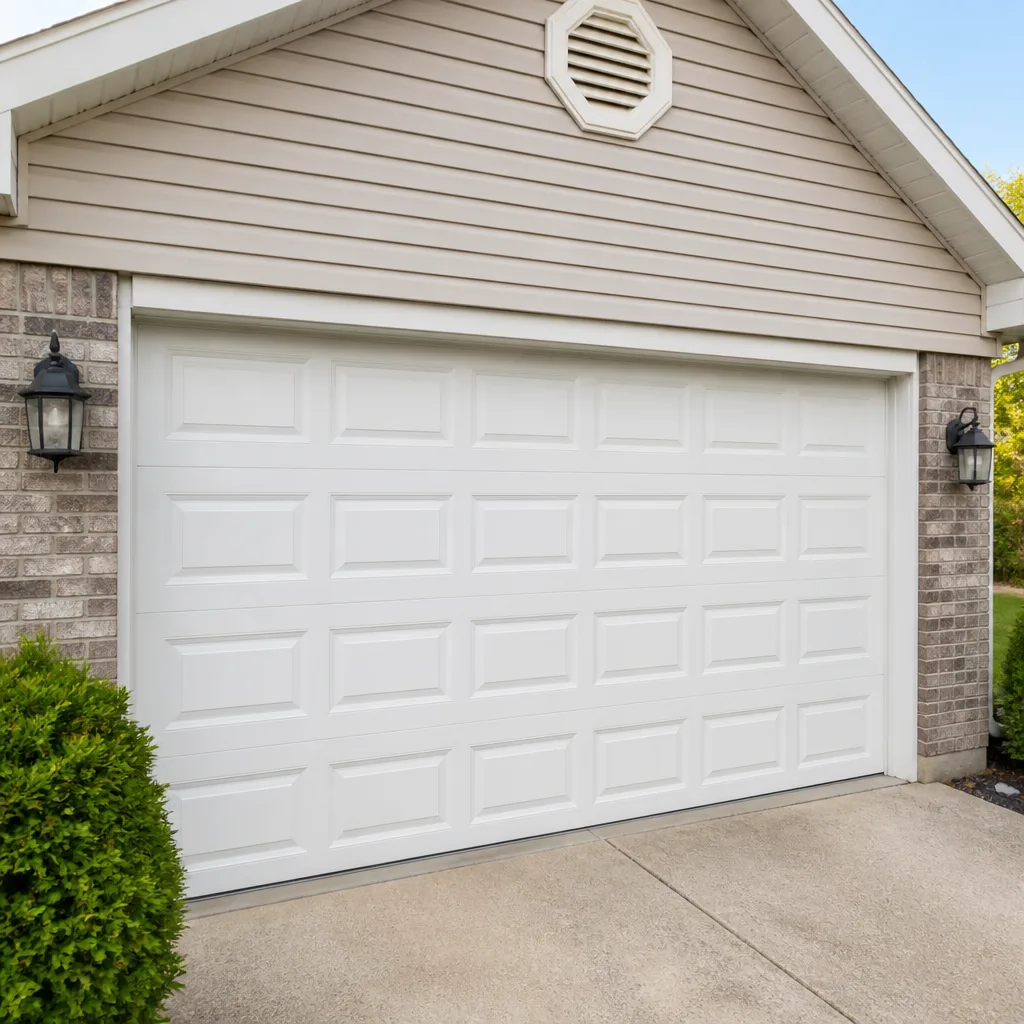 Raised-panel steel
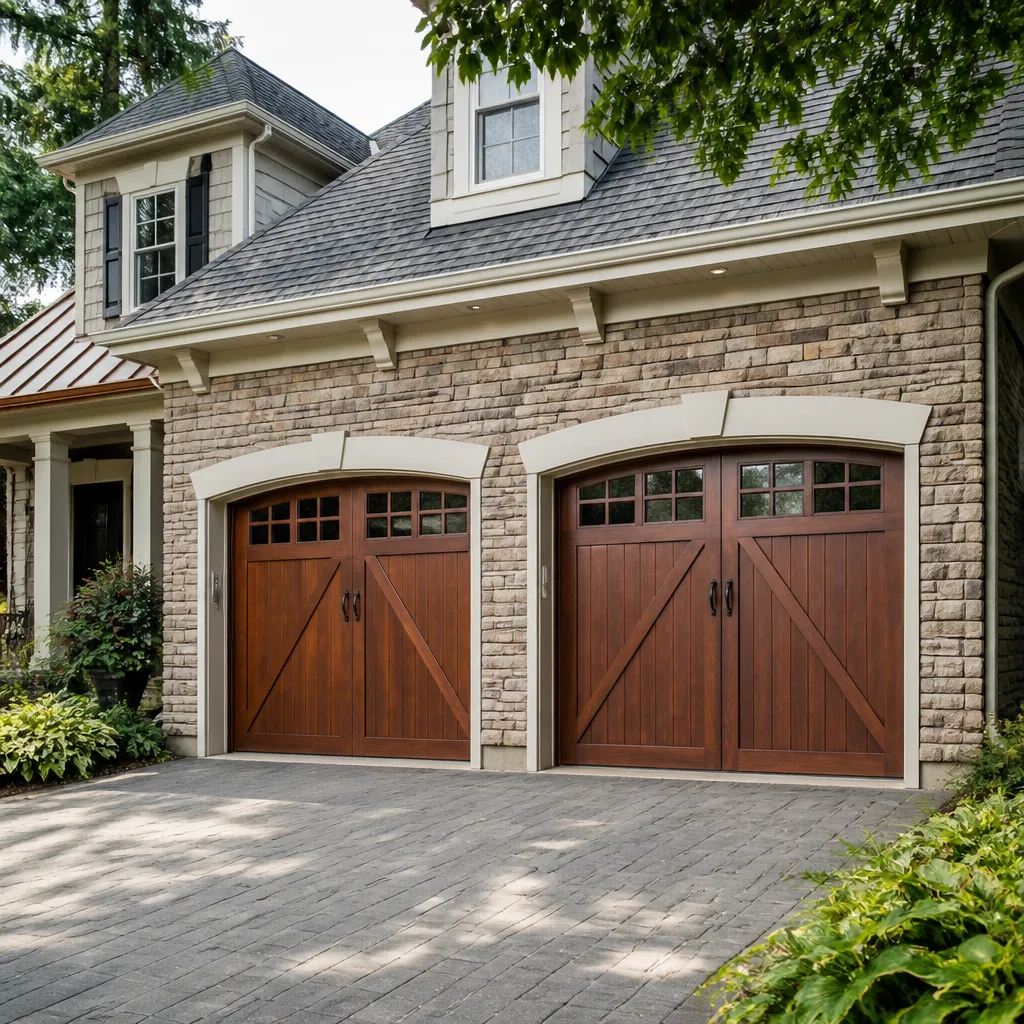 Carriage house
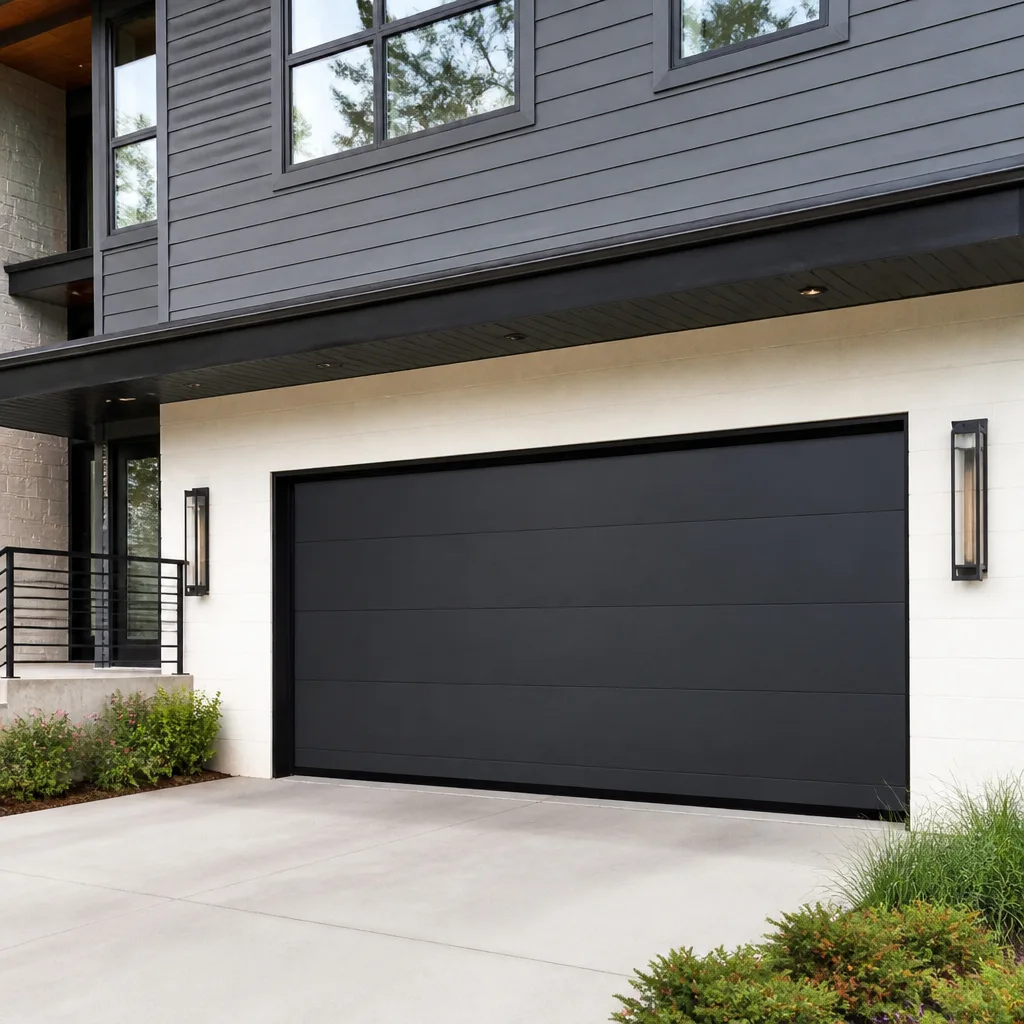 Modern flush
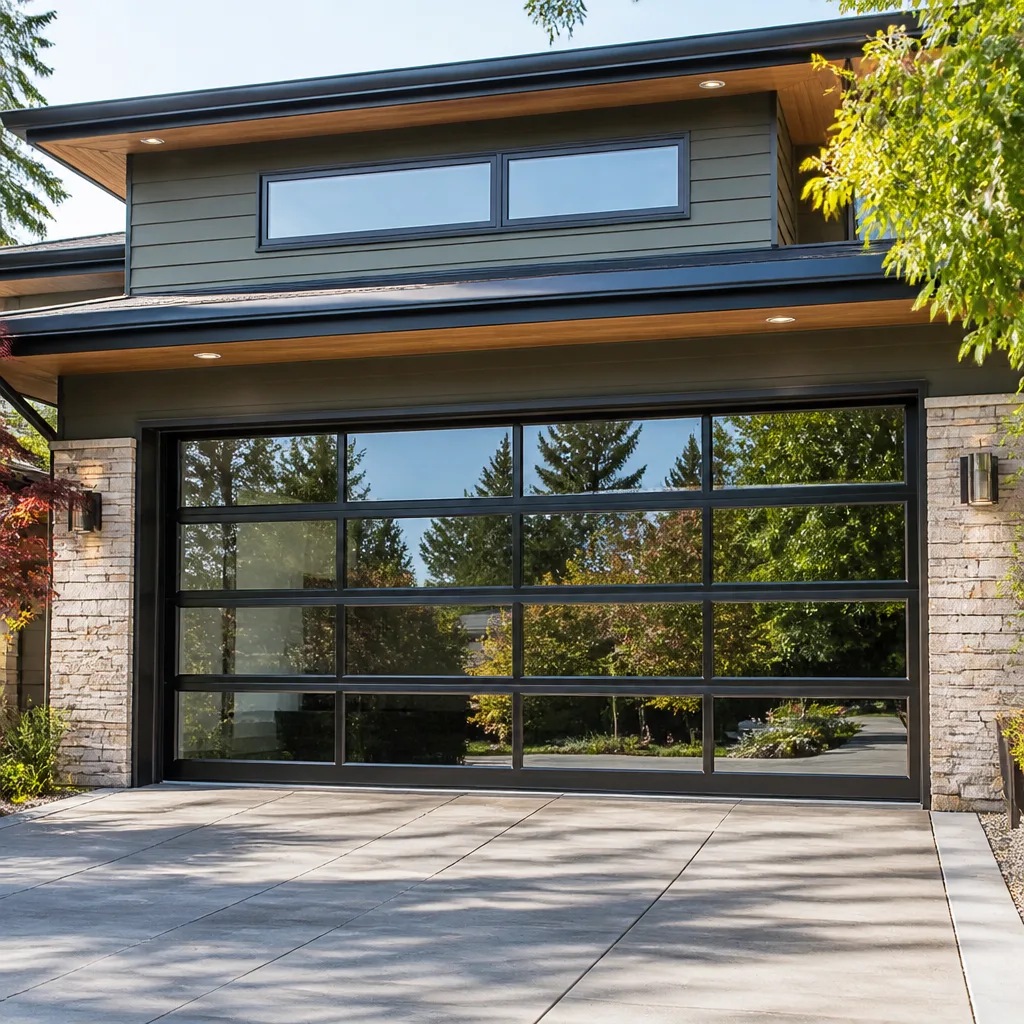 Full-view glass
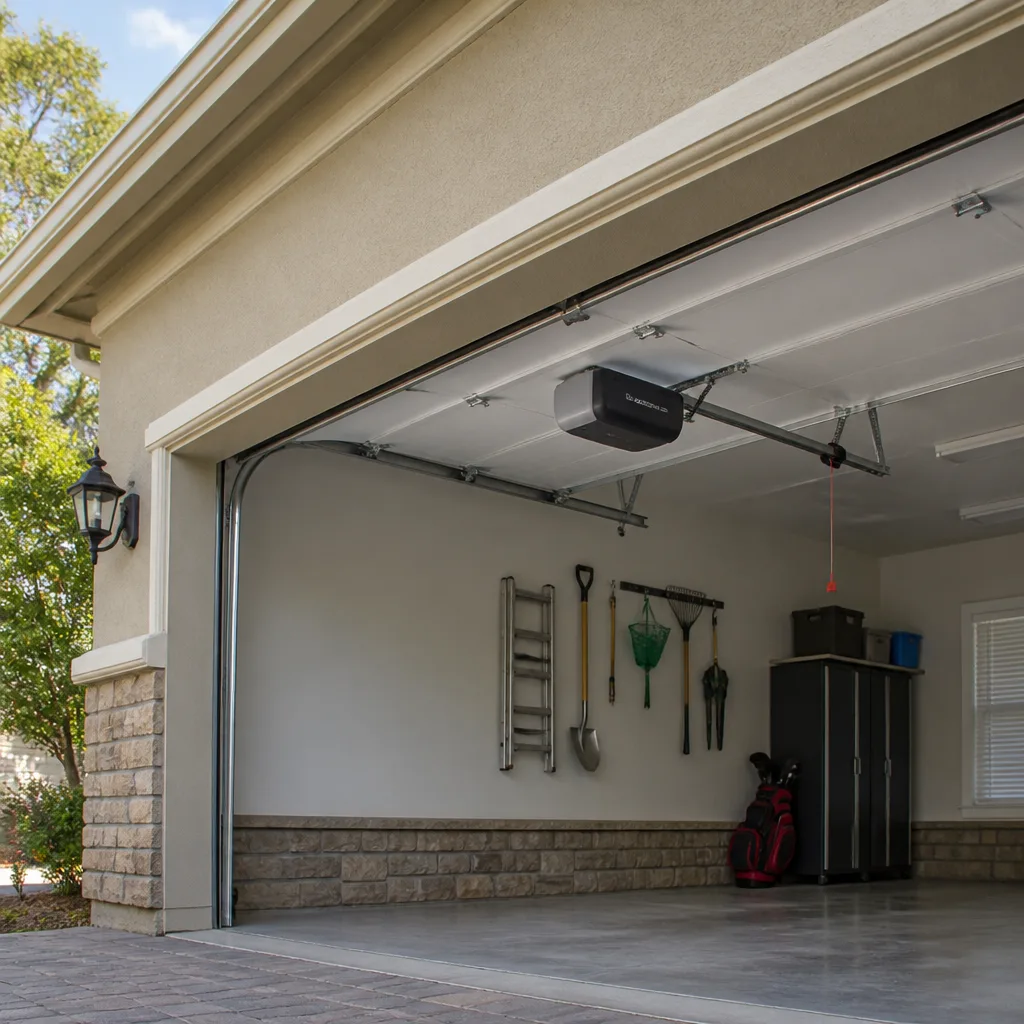 LiftMaster openers
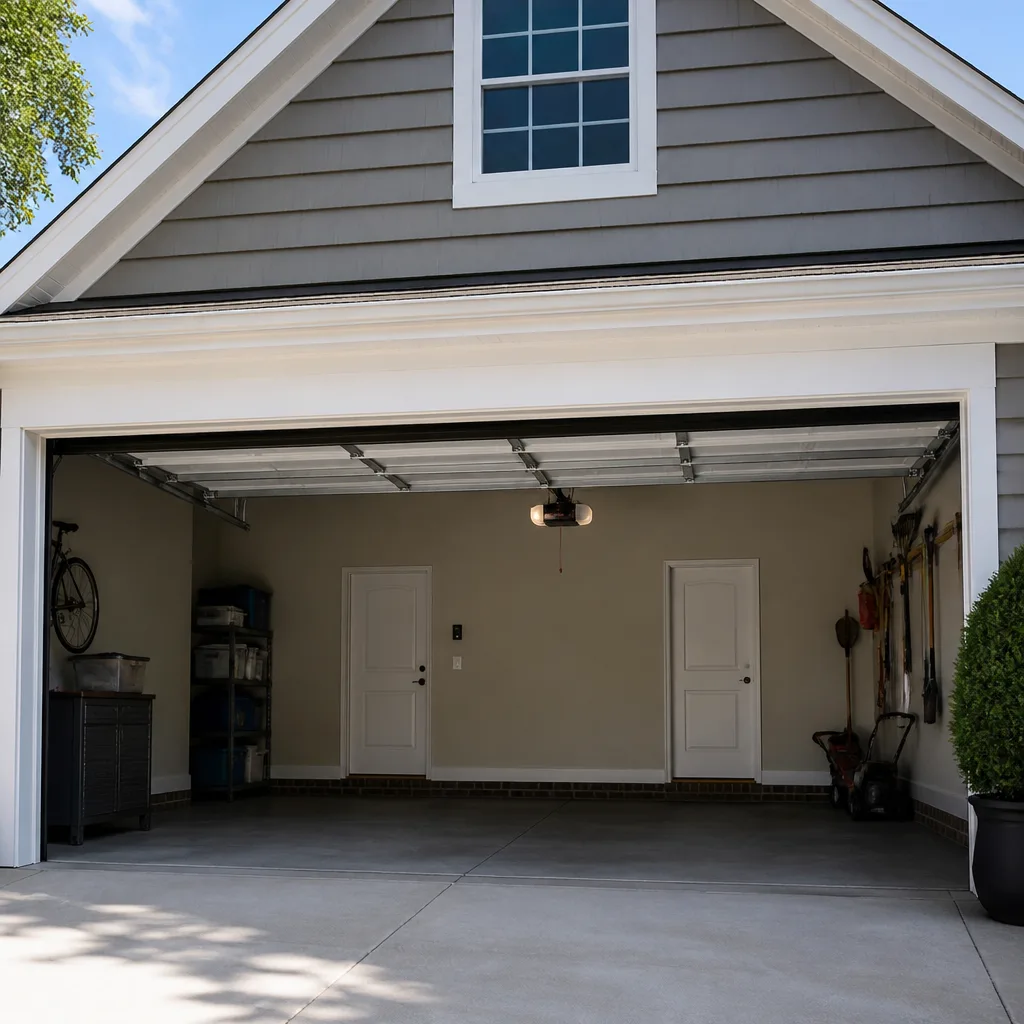 Chamberlain openers
Full 25-point door and opener safety check with every visit - springs, cables, rollers, tracks, and your LiftMaster or Chamberlain opener included
You get a price before we start. It does not change when the pro arrives.
Get your free estimateGarage Door Permits, Codes & Inspections in Sterling, VA: What You Need to Know
Here’s the part of garage door replacement that almost nobody explains at the point of sale: if you swap a door like-for-like, most Sterling homeowners never touch a permit. But the moment you alter the rough opening size, enlarge it, or change the structural framing around it, you’ve crossed a line that Loudoun County cares about – and that a buyer’s inspector can flag at resale. That surprise has derailed more than a few closings on homes that changed hands with an oversized door nobody documented. This guide walks through the actual thresholds, how HOA architectural review and county permitting pull in different directions, what the fire-separation code means for attached garages, and how to sort out unpermitted prior work before it becomes someone else’s problem. We work in Sterling every week, and these are the questions we field most.
Quick Answer
In Sterling and the rest of Loudoun County, a straight replacement of a garage door – same size, same opening, same general design – usually does not require a building permit. A permit is typically triggered when you enlarge or change the rough opening, alter the structural framing or header, convert the garage to living space, or add a new opening altogether. Homeowner association architectural review, common in Sterling subdivisions, is a separate approval from the county, and you may need both before a single panel arrives.
Styles & brands we work with
- Raised-panel steel
- Carriage house
- Modern flush
- Full-view glass
- LiftMaster openers
- Chamberlain openers
Table of Contents
- When does a garage door need a permit in Sterling, VA?
- What counts as like-for-like replacement?
- What is rough opening modification and why does it trigger review?
- How HOA architectural review and county permitting differ
- Fire-separation rules for doors between garage and living space
- How to document unpermitted prior work
- What a garage door inspection actually checks
- Sterling-specific things that change the picture
When does a garage door need a permit in Sterling, VA?
A replacement garage door in Sterling generally does not require a county building permit when the door matches the existing opening’s dimensions and the job doesn’t touch structural components. The permit question changes the moment the work extends beyond the door itself into framing, headers, or opening size. Loudoun County treats structural changes to a wall as permit-required work, and a garage door opening sits inside a load-bearing wall.
Here’s how the threshold usually breaks down in practice:
- Like-for-like replacement: No county building permit required in most cases. Match the existing opening width, height, and general configuration.
- Same size, different material or brand: Still typically permit-free. Swapping a steel door for an insulated Clopay or Amarr model of identical dimensions doesn’t change the structure.
- Opening size change (wider, taller, or both): Permit required. This means cutting into the wall and modifying the header above.
- Structural framing changes: Permit required. Any modification to load-bearing framing requires engineered plans and county review.
- Converting a garage to habitable space: Permit required. This changes the room classification and affects door requirements too.
- Adding a new garage opening where none existed: Permit required, full stop.
One thing worth stressing: “usually no permit” is a general rule, not a promise. Loudoun County can have specific cases or overlays that pull a job into review, and HOA rules can still apply even when the county doesn’t care. The most reliable path is a two-minute call to the county’s building department before ordering the door. We always tell Sterling customers to make that call, because the answer format (“permit required” vs. “no permit needed”) is worth writing down.
What counts as like-for-like replacement?
Like-for-like is the phrase that saves most Sterling homeowners a permit, but it’s narrower than most people assume. It means the new door matches the old one in opening dimensions, approximate weight class, and general configuration – not that it’s simply another garage door in the same hole. Swap an 8-foot-wide door for another 8-foot-wide door in the same framing: that’s like-for-like. Replacing a 7-foot-tall door with an 8-foot door in the same header: that’s not.
A useful checklist for the like-for-like test:
- Measure the rough opening width and height before ordering. If you’re unsure how the old door was sized, measure the opening, not the door panel.
- Confirm the new door’s dimensions match the existing opening within the manufacturer’s tolerance for that product line.
- Check that no framing, header, jamb, or wall material needs to be cut, added, or shifted.
- Confirm the mounting surface for tracks and spring hardware stays the same.
- Compare the new door’s weight class to the old one so the springs and opener remain correct for the load.
If any of those steps requires a structural change, you’ve left like-for-like and entered permit territory. The distinction matters because a Wayne Dalton door ordered at the correct opening size can still be a different weight class than the door it replaces, which affects spring sizing and opener compatibility even though the permit question is unchanged. We see this a lot on Sterling homes where the original builder-grade door was replaced years ago with a heavier insulated door and the springs were never updated. The door is fine; the balance is wrong.
What is rough opening modification and why does it trigger review?
A rough opening is the framed hole in the wall where the garage door lives – the structural opening, not the door itself. When you modify that opening – going wider, taller, or changing the header above it – you’ve touched load-bearing framing, and that’s the trigger that moves the job from “no permit needed” to “structural alteration.” Loudoun County’s review for a rough opening change usually requires plans that show the new header, how the load transfers, and the door that will fill the opening.
Why does this go through a different review path than a simple replacement? Because the header above a garage door carries the weight of the wall and roof above it. Cutting a wider opening means a bigger header, more load, and often more structural work behind the wall. The county wants to see that the new framing carries what the old framing carried – it’s not red tape, it’s the roof staying up.
The rough opening modification path in Sterling typically involves:
- Drawn plans showing the new opening dimensions and header detail
- Structural calculations or an engineer’s input when the opening grows significantly
- The county permit application and fee
- Inspection before the wall is closed and after the door is installed
- Final inspection sign-off that stays with the property record
This is the exact review path most homeowners aren’t told about when they ask a salesperson whether “a garage door needs a permit.” The answer depends entirely on whether the opening itself changes. If it does, you’re not just installing a door – you’re modifying a structural wall, and the county treats the two very differently.
How HOA architectural review and county permitting differ
These are two completely separate processes, run by two different bodies, answering two different questions – and in Sterling they regularly trip homeowners up because one can approve what the other hasn’t even seen. The county asks: is this safe and code-compliant? The HOA asks: does this match the neighborhood? A door can pass one and fail the other.
In Sterling subdivisions, HOA architectural review is common and often stricter than county code on appearance. Many associations require a design submittal for a garage door replacement – even when no county permit is required – with specific requirements about door style, color, window configuration, and material that may go beyond what the county cares about at all. County permitting, by contrast, focuses on structure, fire separation, and life safety, and doesn’t usually care whether the door matches your neighbor’s.
Where they conflict:
- County approves, HOA denies: The county signs off on a door that isn’t on the approved palette. You may have to reorder.
- HOA approves, county flags structure: The HOA greenlights the style, but a rough opening change pulls in a permit the homeowner never expected.
- Timing mismatch: HOA review can take weeks and runs on its own clock. County permits don’t wait for the association.
The practical advice: start both processes early and keep them separate. Get the HOA design submittal in before you order a door, and get the county permit question answered before you schedule the removal of the old one. On the installations we handle, we ask every Sterling customer whether their association requires submittal, because reordering a Clopay or Amarr door in the wrong color is an expensive correction that a five-minute pre-check avoids.
Fire-separation rules for doors between garage and living space
The door between an attached garage and the house is a fire-separation component, and it’s the single code item most Sterling homeowners overlook because it has nothing to do with the overhead door they’re replacing. Building codes generally require the wall and door separating a garage from living space to resist fire spread for a set period, so a fire starting in the garage doesn’t travel straight into bedrooms. The overhead door at the front of the garage is a different story – it opens to the outside and is not the separation door.
The distinction matters on any garage renovation or door upgrade. When the work touches the door between the garage and the house – the swing door – the replacement usually has to meet the same fire rating as the one it replaces. If the existing door has been swapped for a hollow-core interior door at some point, that’s a code issue unrelated to the overhead door, and it’s one the county cares about.
A short list of what to check on attached garages in Sterling:
- The swing door between garage and house is typically a rated door, not a standard interior door.
- An automatic closer may be required so the door self-closes – ask your building department for the current rule.
- The overhead door at the front is not a fire-separation component; it’s a weather and security barrier.
- Wall penetrations between garage and living space (wiring boxes, dryer vents) can affect the fire rating.
- Smoke and CO separation between garage and living space is its own concern, distinct from the door itself.
If you’re not sure what you have, the answer is usually to look – check for a label or tag on the swing door’s edge that indicates a fire rating, and if there isn’t one, ask the county building department to confirm what’s required for your home’s era. This is the kind of item that gets flagged at resale inspection and delays a closing, so it’s worth knowing before you list.
How to document unpermitted prior work
Unpermitted prior work is one of the most common things we hear about from Sterling buyers and sellers, usually in a panic the week before closing. The fix isn’t always a permit – often it’s documentation that shows the work was done correctly even if it wasn’t inspected at the time. What matters at resale is that the door and opening are structurally sound and that the record reflects what’s actually there.
If you’re a buyer and the inspection flags a door that’s clearly larger than the original opening, or shows signs of header modification with no paper trail:
- Request the property’s permit history from Loudoun County. The building department can confirm what’s on record and what isn’t.
- Have a qualified garage door technician measure the current opening and confirm the header and framing are sound. If they’re not, the fix is structural first.
- If the opening was modified and no permit exists, talk to the county about how to bring it into compliance – this often means an after-the-fact review rather than a teardown.
- Document what you find with measurements, photos, and a written assessment, and attach it to the disclosure or closing file.
- If everything is sound and the county is comfortable, the record stands and the transaction can proceed.
If you’re the seller and the door was installed before you owned the home, don’t assume the worst. Many older doors are original builder installations that matched the opening from the start and never needed a permit. The job is to find out which situation you’re in rather than guess. For the repair side – springs, cables, tracks, opener issues – a documented service history goes a long way, and that’s what we capture on every job we do so owners have something to hand off when the house changes hands.
What a garage door inspection actually checks
A garage door inspection – whether it’s part of a county permit final, a home inspection, or a pre-sale review – looks at a well-defined set of items. It’s not a throwaway “door works” checkbox. Inspectors and technicians are checking the same system from two angles: safety and structure. For the county, it’s code and structure. For a home inspector or technician, it’s mechanical condition and function.
Most garage door inspections cover:
- Spring and cable condition: evidence of wear, sag, or mismatched sizing on a pair.
- Balance: does the door hold position when stopped mid-travel, or does it crash down?
- Opener force and reversal: does the opener reverse as required when it meets resistance?
- Safety features: photo-eye function and, where installed, the reversing edge behavior.
- Structural attachment: track brackets, spring anchor plate, and the header above the door.
- Panel condition: dents, cracks, or separation that could affect operation or appearance.
- Weather seal: bottom seal and perimeter condition.
If the inspection is a permit final on a rough opening change, the county adds a look at the framing and header detail on top of this list. On a routine home inspection, an inspector who sees a mismatched spring pair or a door that doesn’t hold position will usually flag it as a safety item – which is correct. Springs should never be touched by a homeowner; a broken spring under tension is one of the most dangerous DIY repairs in a home, and the injury risk is real. If your inspection turns up a spring issue, that’s a call-a-pro item, and we can get garage door spring repair handled properly.
Sterling-specific things that change the picture
Sterling’s housing stock shapes the permit and code questions in a way that a generic guide can’t capture. The town’s subdivisions include a lot of homes built in the 1980s and 1990s with single-car and two-car garages, and a meaningful share of those have been through at least one door replacement or opener upgrade by a previous owner. That means the door you see today may not be the door the county knows about – which is exactly why the like-for-like test and the permit history check matter here more than they might on a newer build.
Northern Virginia weather adds a practical layer. Sterling summers are humid and storm-heavy, and winters cycle between deep cold snaps and thaws, which is hard on springs, seals, and opener electronics. A door that’s due for replacement in Sterling often shows it through rusted bottom sections, sagging panels, or springs that have lost tension unevenly. When that happens, the question we get is usually about the opener first, because the door “just stopped working” – when in reality the door’s balance is off and the opener is straining against it. If the opener itself is the problem, we handle garage door opener repair on the major brands, and if the door is the problem, we can often handle garage door repair faster than a replacement.
Two more Sterling points worth knowing:
- Older doors and brand parts: homes with a Genie opener paired to a builder-grade door are common, and Genie’s older drive systems are well understood by any technician who works the brand regularly. Mismatched modernizations – a new insulated door on an old opener – usually work but strain the opener over time.
- HOA density: many Sterling neighborhoods have active associations that review exterior changes, including garage doors. If your association requires a design submittal, our team can usually help you match the door style to what the association will approve before you order, which saves a reorder.
Our technicians have up to 8 years of experience, and we’re certified to work on eight major brands: LiftMaster, Chamberlain, Genie, Clopay, Amarr, Wayne Dalton, Craftsman, and Raynor. That familiarity matters when a permit question comes up, because knowing what the door manufacturer requires for its own installation and what the county requires for the opening are two different judgments – both of which we make on-site. If the county needs a door specification sheet for a permit submittal, we can provide the manufacturer documentation that goes with it.
Common Mistakes to Avoid
- Assuming all replacements are permit-free. Like-for-like usually is, but any rough opening change is not. Ask the question before you order the door, not after it’s delivered.
- Treating HOA approval as a permit. They’re separate processes run by separate bodies. One approving doesn’t mean the other has even been asked.
- Cutting a wider opening without plans. A rough opening modification is structural work on a load-bearing wall. Doing it without county review risks the roof above and the sale of the home later.
- Ignoring the fire-separation swing door. The door between garage and house is a life safety component. A hollow interior door in that spot is a code issue that inspectors flag quickly in Sterling.
- Skipping the permit history on a resale. A closing can stall when an unpermitted door shows up. Pull the Loudoun County permit history before listing, not during the inspection period.
- Replacing a door without matching the spring and opener to the new weight. A heavier door on old springs is a safety failure waiting to happen. This isn’t a permit issue, but it’s the mistake we fix most often.
- Touching springs or cables as a DIY job. A broken spring under tension can injure severely. If your inspection turns up spring issues, stop and call a professional.
See the difference
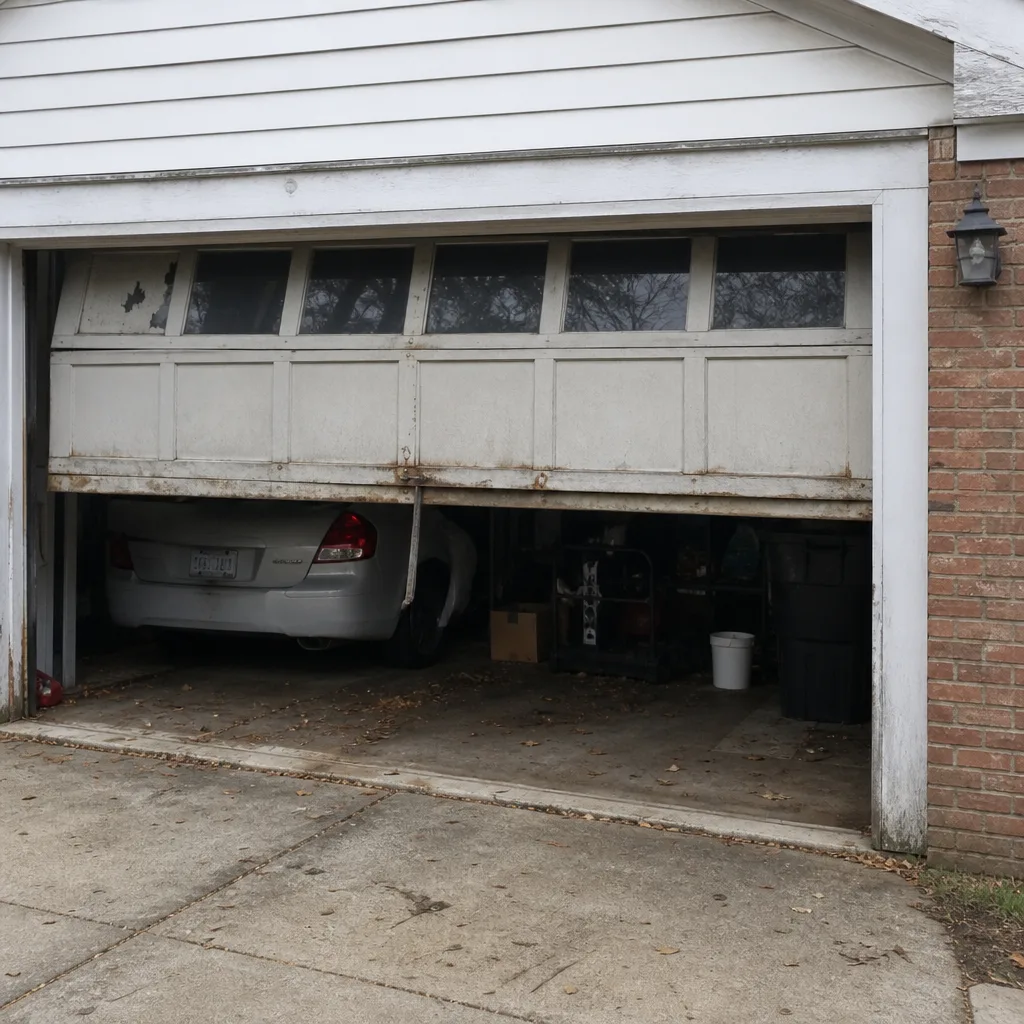 Before
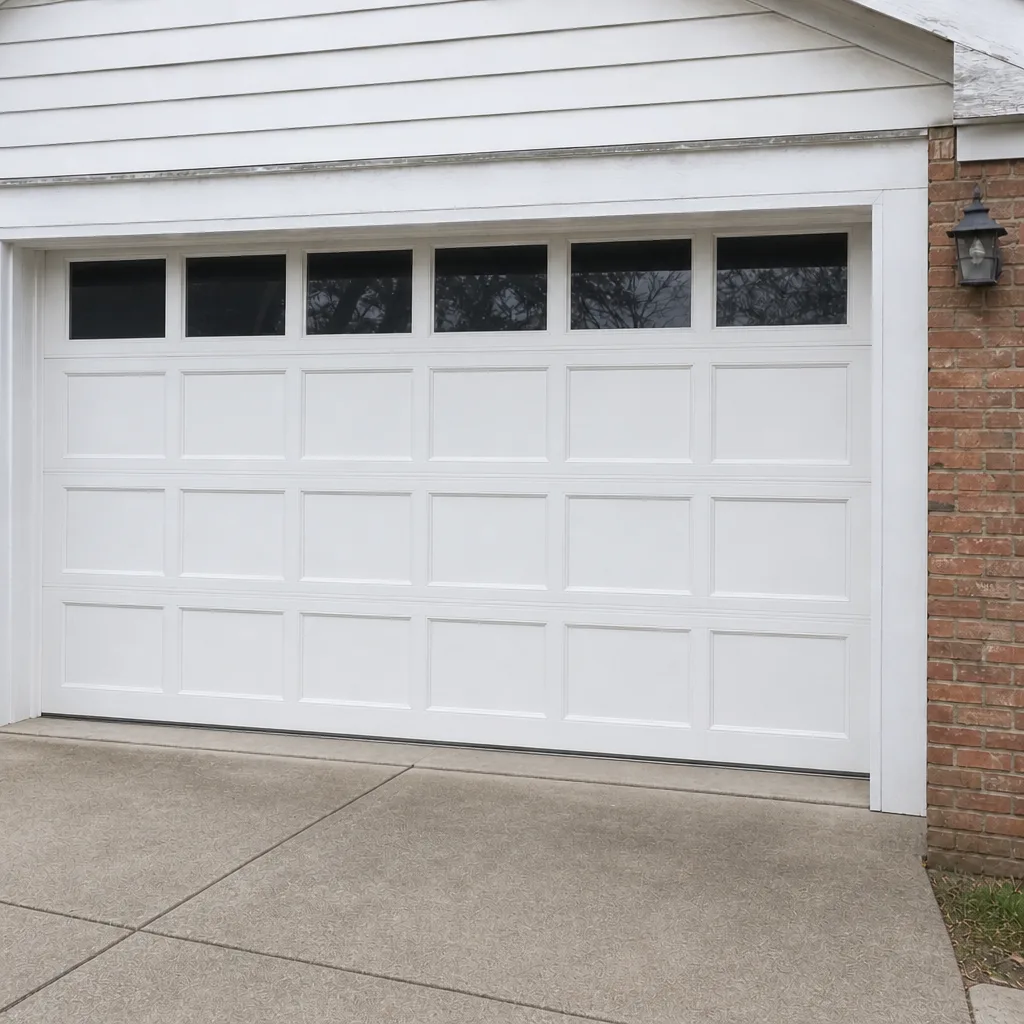 After
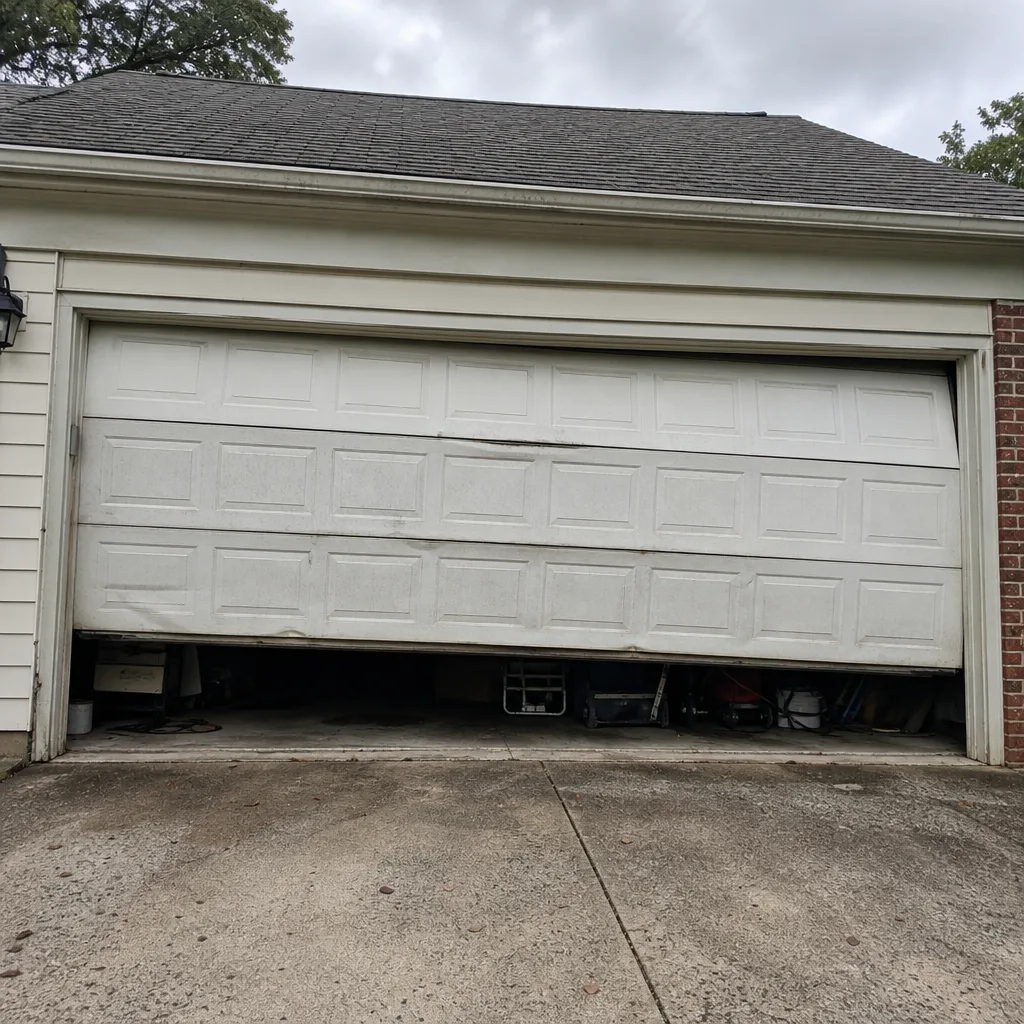 Before
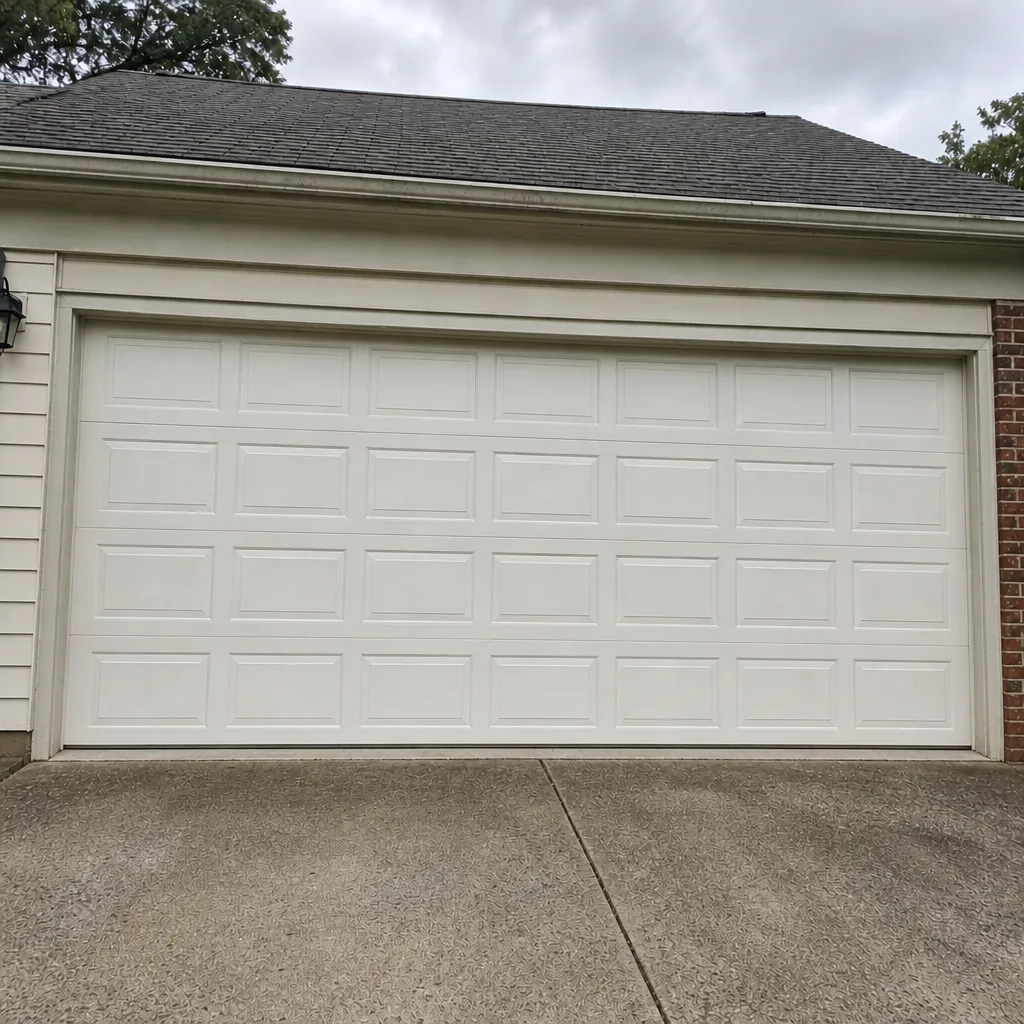 After
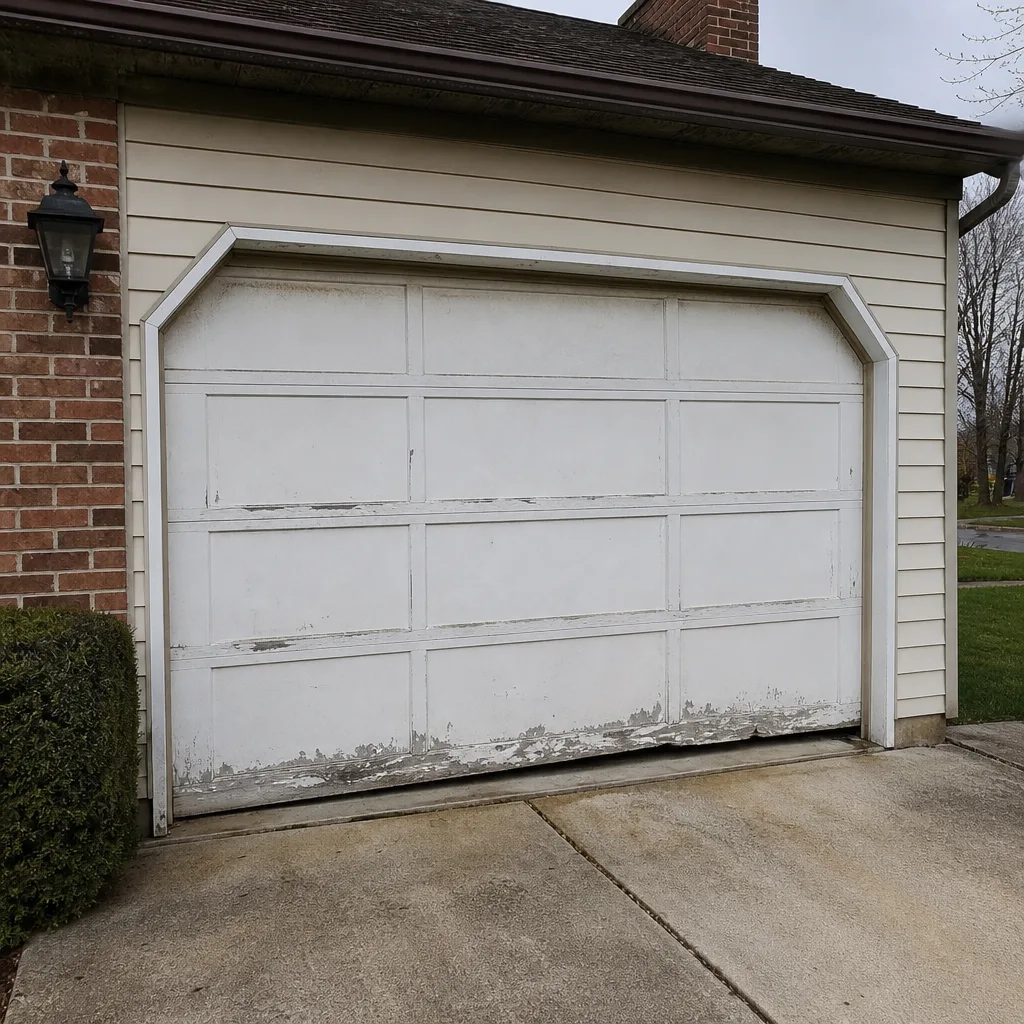 Before
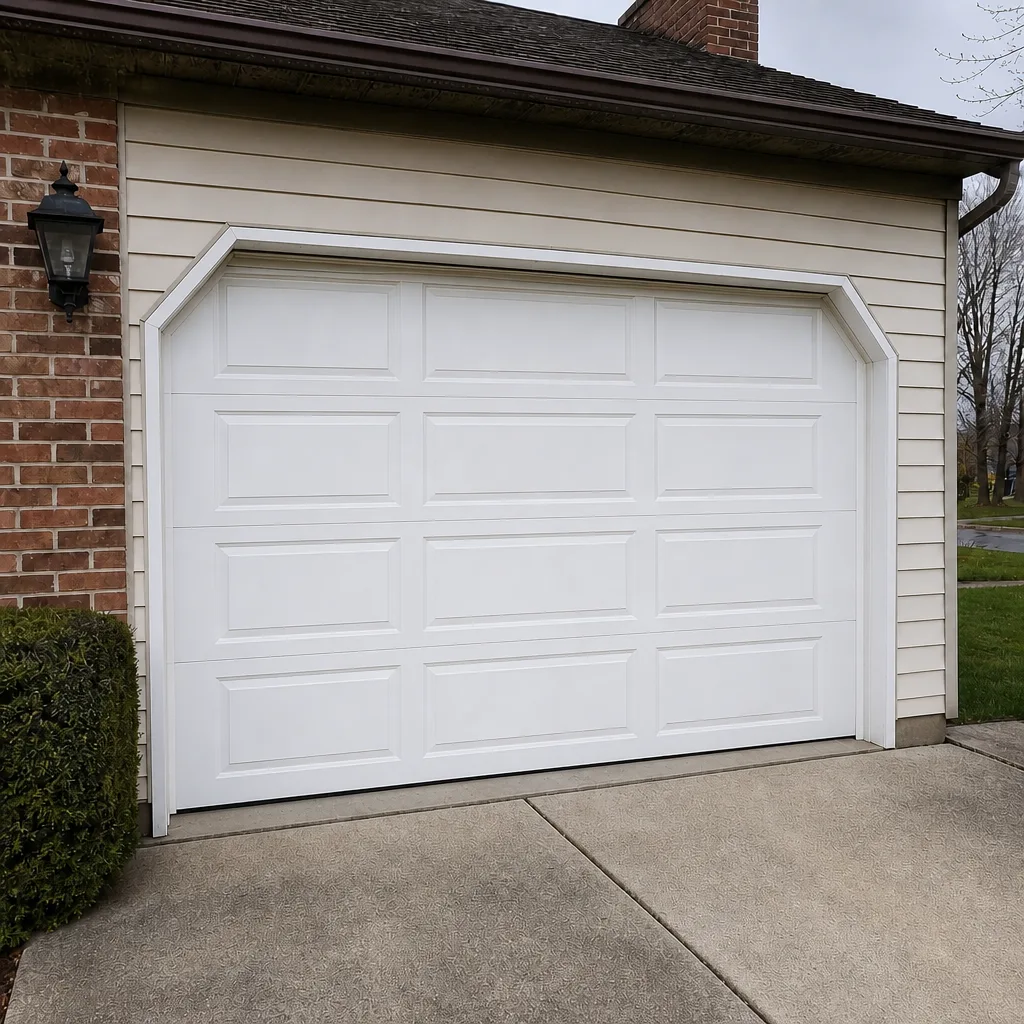 After
When to Call a Professional
A garage door is the largest moving part in your house, and the moments it stops being a homeowner project are clear. If a spring breaks or a cable goes slack, don’t touch it – call a professional. If the door is out of balance, won’t hold position, or reverses unpredictably, that’s a technician call. If your inspection turns up a rough opening modification or a header issue, bring in someone who can assess the door and framing together before the county gets involved. And if the county’s process or an HOA approval is unclear, we can walk through what a replacement involves in your specific Sterling situation.
Sterling Garage Door Repair Pros handles the full system – springs, openers, panels, and complete door installation under one roof – for the eight brands we’re certified on. We offer free estimates in Sterling, and we can review what your door is, what the permit situation might be, and how to proceed. Call (855) 684-1720 when you need help, and we’ll book you for a time that works.
For the repairs most homeowners need first, our Sterling Garage Door Repair Pros team is a single call for both the door and the opener side, which means one visit and one diagnosis instead of two.
Frequently Asked Questions
Usually not, if the new door matches the existing opening in size and the framing isn’t altered. A permit is typically required when the rough opening changes, the structural framing or header is modified, or the garage is converted to living space. Call Loudoun County’s building department to confirm for your exact job, and call us at (855) 684-1720 for a free estimate if you’d like a professional’s read on whether your replacement is like-for-like.
An HOA architectural review approves appearance and design, while a county permit approves structure and code compliance. They’re separate processes and one can approve what the other hasn’t reviewed. In many Sterling subdivisions, HOA submittal is required even when no county permit is needed, so start both early – and call (855) 684-1720 if you need help matching a door style to what your association will accept.
No. Enlarging the rough opening means modifying load-bearing framing, which is permit-required work in Loudoun County. The review typically needs plans showing the new header and how the load transfers, plus inspection before the wall is closed and after the door is installed. If you’re considering an opening change, call (855) 684-1720 and we’ll walk through what the process involves before you order a door.
Start by pulling the Loudoun County permit history to see what’s on record. If the opening was modified and no permit exists, talk to the county about after-the-fact review; often the fix is documentation plus inspection rather than removal. Have a technician confirm the header and framing are sound before closing, and call (855) 684-1720 for a free assessment of what you have.
Not automatically – the swing door between the garage and house is separate from the overhead door and only needs replacement if it’s damaged or missing its rating. But it’s worth checking that it still meets the fire-separation requirement, since a hollow interior door in that spot is a code issue. Call (855) 684-1720 if you’d like us to look at both doors during a free estimate.
It may be flagged as a safety item, because mismatched springs (one newer than the other, or of a different size) can cause uneven wear and unpredictable operation. It won’t usually fail a county permit final, which is about structure, but it’s a common home inspection finding. If your inspector flags it, call (855) 684-1720 for spring repair on the brands we service.
The Bottom Line
Most garage door replacements in Sterling don’t need a county permit – but the exceptions are precise and expensive to discover late. Like-for-like replacements usually skip the permit; any rough opening or framing change pulls in the county. HOA review and county permitting run separately, so start both early, especially in Sterling’s association-heavy subdivisions. Fire separation on the swing door between garage and living space is its own code item, and unpermitted prior work can stall a closing unless it’s documented before listing. When in doubt, get the permit history, get a technician’s read on the door and framing, and don’t touch springs yourself.
If you’d like a professional opinion on what you’re dealing with, call Sterling Garage Door Repair Pros at (855) 684-1720 for a free estimate. We’ll assess the door, the opener, and the surrounding framing, and give you an upfront price on the work before anything starts.
Written by the team at Sterling Garage Door Repair Pros.