Last updated November 23, 2026
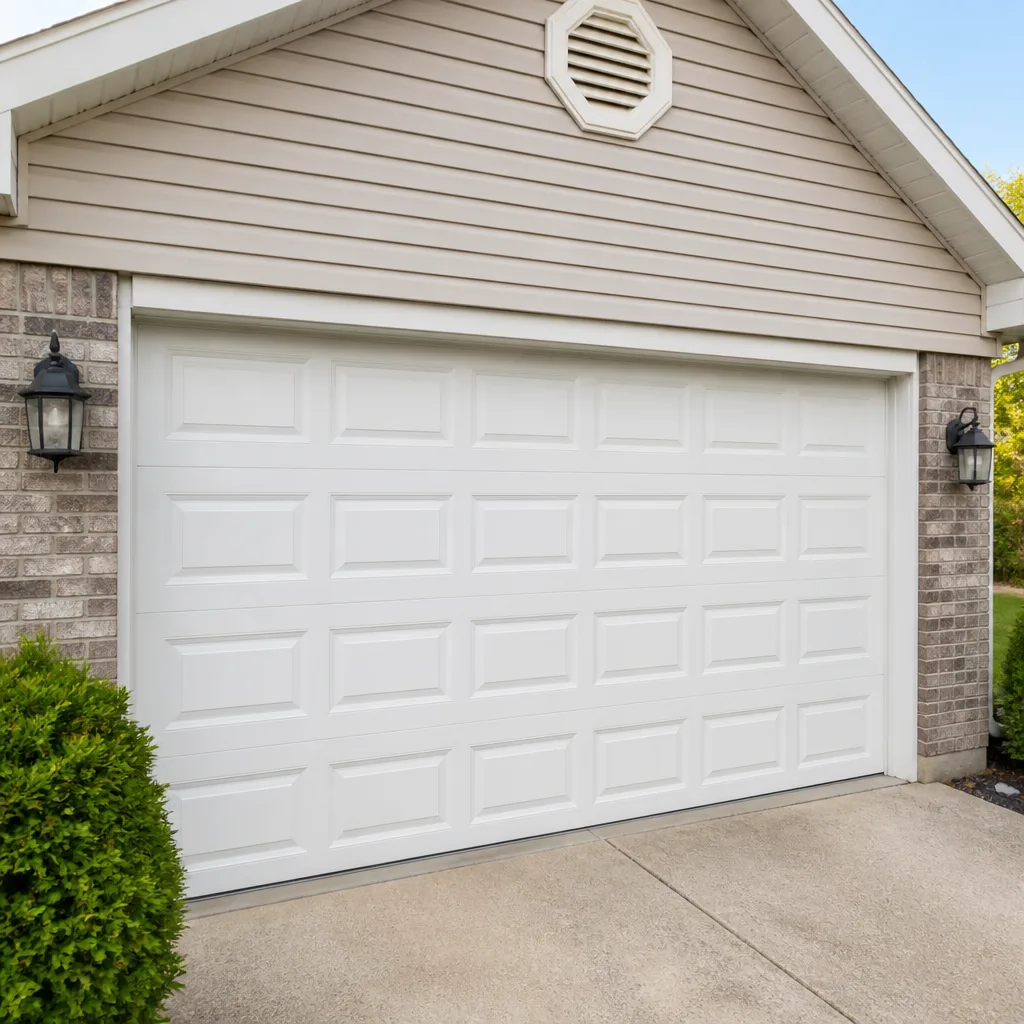 Raised-panel steel
 Carriage house
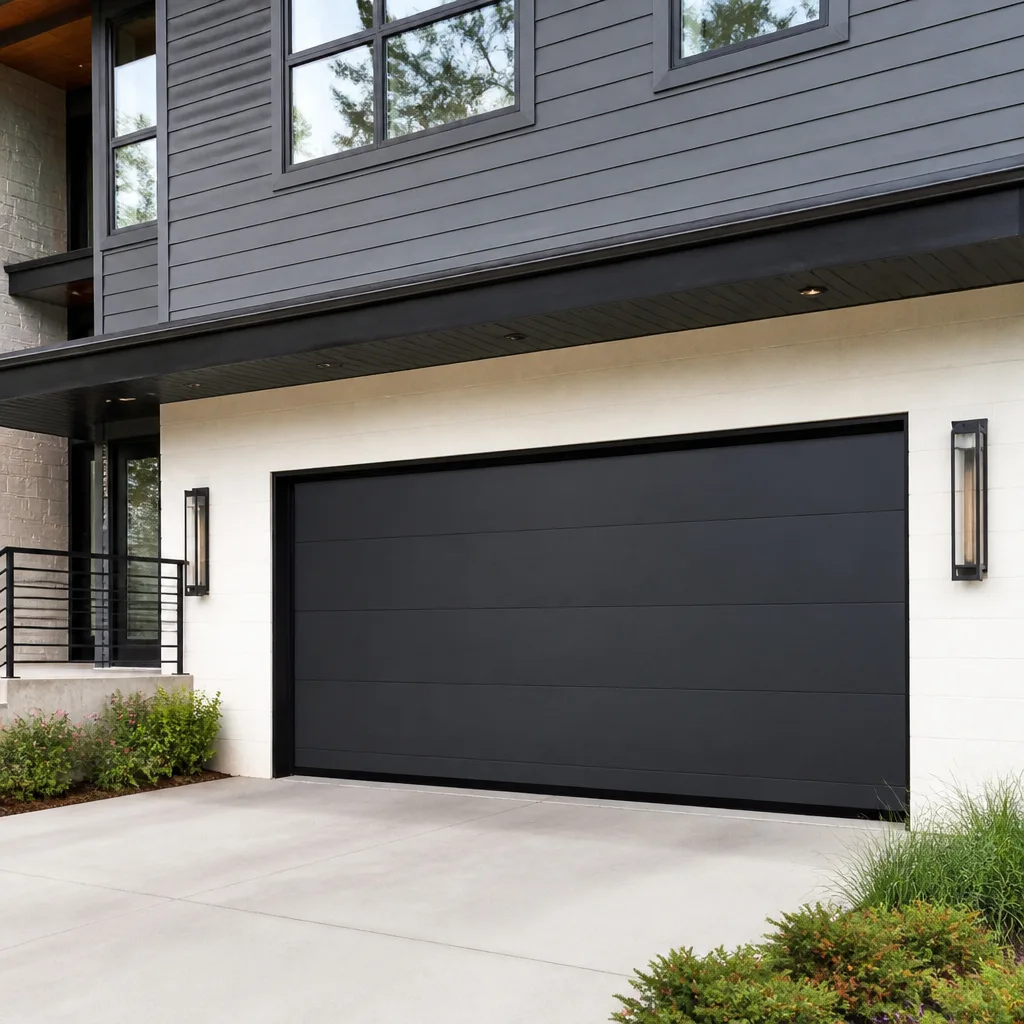 Modern flush
 Full-view glass
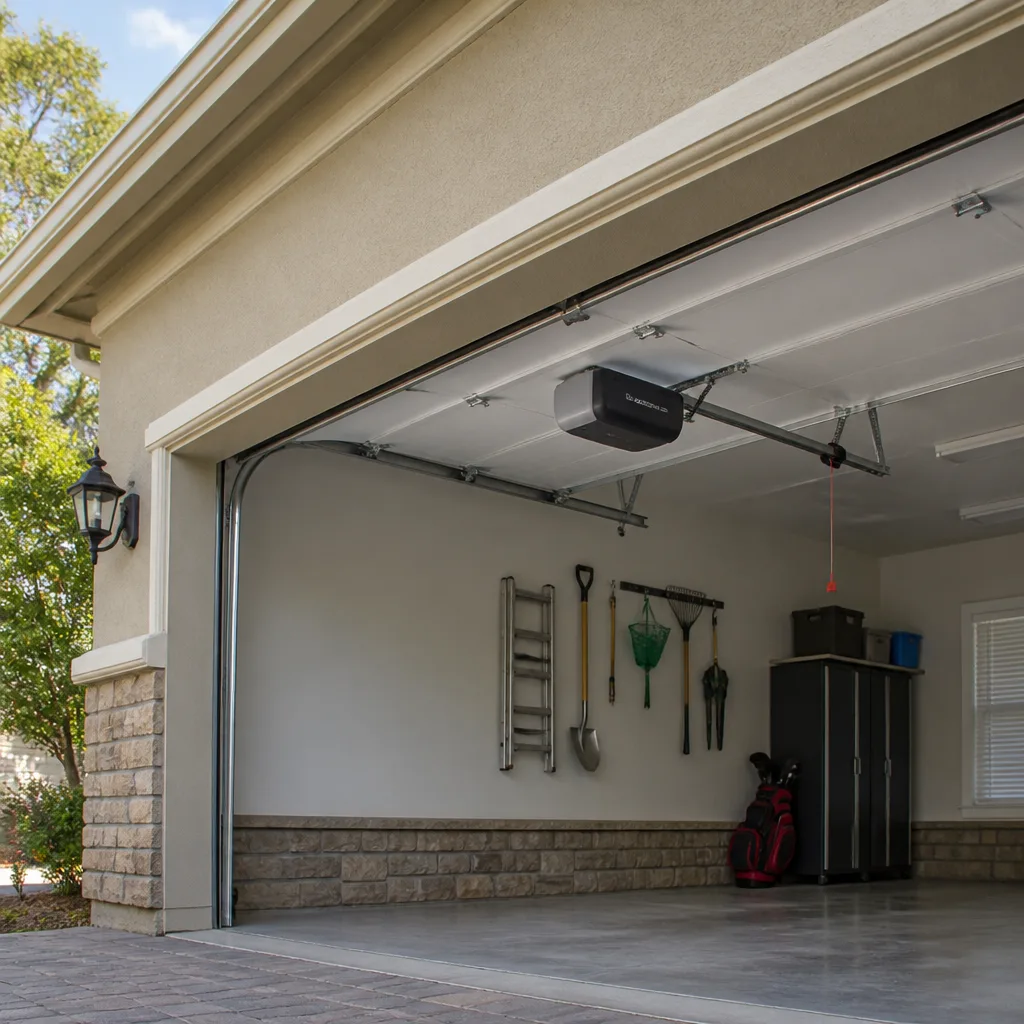 LiftMaster openers
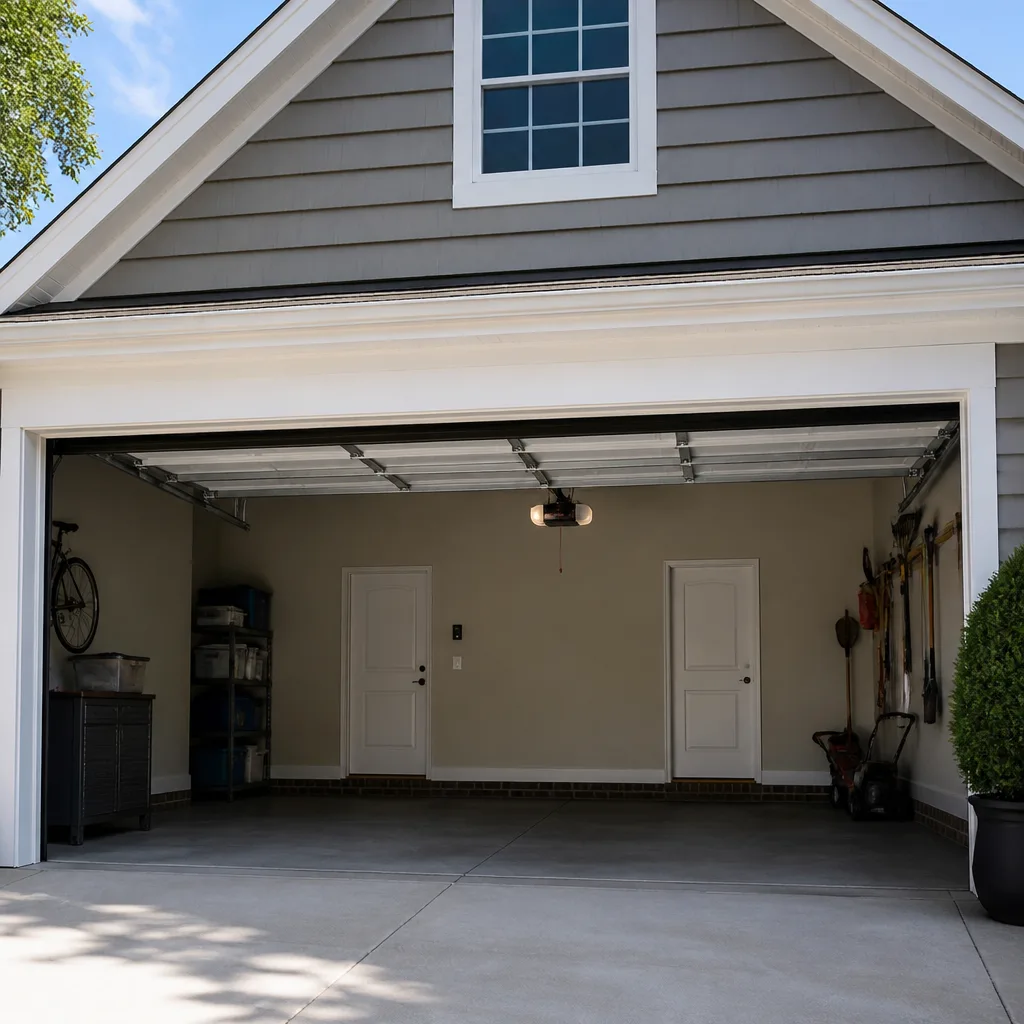 Chamberlain openers
Full 25-point door and opener safety check with every visit - springs, cables, rollers, tracks, and your LiftMaster or Chamberlain opener included
You get a price before we start. It does not change when the pro arrives.
Get your free estimateDIY vs Professional Garage Door: The Sterling Homeowner’s Decision Guide
Replacing a bottom weatherstrip seal is a 20-minute DIY job. Adjusting torsion spring tension is a task that sends people to the emergency room. The line between the two isn’t skill, and it isn’t confidence, and it definitely isn’t how many YouTube videos you’ve watched. It’s physics. A standard torsion spring stores enough mechanical energy to lift a door that weighs well over a hundred pounds, and that energy doesn’t ask whether you have a good set of wrenches before it releases. Most DIY garage door guides draw the line in the wrong place, treating every repair as either “easy” or “call a pro” without explaining why. This guide redraws that line task by task, with the Sterling-specific details that actually change the answer: what your door is made of, what the weather around here does to it, and what happens when a DIY part order goes wrong. By the end you’ll know exactly which jobs you can safely handle before your coffee goes cold and which ones belong to someone who does this every day.
Styles & brands we work with
- Raised-panel steel
- Carriage house
- Modern flush
- Full-view glass
- LiftMaster openers
- Chamberlain openers
Quick Answer
For most homeowners, cosmetic and cleaning tasks are genuinely safe to DIY, while anything involving torsion springs, torsion cables, or the door’s lifting mechanism should go to a trained technician. In Sterling, the jobs where professional work reliably pays for itself are cable replacements, opener programming, and panel alignment, because the consequences of getting them wrong range from a damaged door to serious injury. The smartest approach is to do the low-risk work yourself and call for a free estimate on anything that touches stored energy or structural alignment.
Table of Contents
- Why the DIY Line Isn’t About Skill
- What You Can Safely Do Yourself
- The Stored-Energy Jobs You Should Never Touch
- The Hidden Cost of DIY Ordering Errors
- How DIY Voids a Manufacturer Warranty
- Pre-Diagnosis and Prep That Reduces Your Service Call
- Where Professional Work Pays for Itself in Sterling
- What Professional Garage Door Work Costs
- Common Mistakes to Avoid
- When to Call a Professional
- Frequently Asked Questions
- The Bottom Line
Why the DIY Line Isn’t About Skill
The usual framing of DIY versus professional is about competence: are you handy enough? That’s the wrong question, and it’s why so many homeowners end up frustrated. The right question is what happens if the task goes wrong. Two jobs can require the same amount of technical ability and carry completely different consequences, and consequences should decide who does the work.
Think about it in terms of energy. A garage door is the largest moving object in almost any home, and it’s balanced by a spring system under constant tension. When you turn a wrench on a bolt holding a door panel, the worst case is a stripped bolt and a trip to the hardware store. When you turn a wrench on a torsion spring, the worst case is a spring, cable, or drum releasing stored rotational force into the space where your hands are. The tools are similar. The physics are not.
There’s a second factor most guides skip: parts matching. On a simple DIY task, the part is generic and the tolerance is wide. A weatherstrip seal either fits the bottom of the door or it comes off. On the mechanical side, a torsion spring has to match the door’s weight and the drum’s radius to within a specific wire gauge and length. The gap between the correct spring and the wrong one isn’t visible to the eye, and the wrong one can fail prematurely or leave the door unbalanced. That’s not a skill problem. It’s an information problem, and it’s why even experienced handymen call in specialists on this specific equipment.
When we work in Sterling, we see the same pattern repeatedly: a homeowner who can rebuild a deck, replace a water heater, or wire a new light fixture, and who assumes a garage door is just another household repair. Usually they’re right until the spring is involved. From that point on, the safest and cheapest path is to know which side of the physics line you’re standing on before you start.
What You Can Safely Do Yourself
A genuine amount of garage door work is safe for a homeowner with basic tools and a step ladder. None of it, however, involves removing the tension from the spring system or lifting the door off its track. Here’s the practical shortlist of tasks that don’t carry stored-energy risk and that you can reasonably handle.
- Replacing the bottom weatherstrip seal. The seal slides into a channel at the bottom of the door and is pushed out with a screwdriver or pulled free by hand. This is the 20-minute job, and it’s also one of the highest-value DIY tasks you can do, because a worn seal lets in cold air, water, and pests.
- Cleaning and lubricating hinges, rollers, and tracks. A dry lubricant or a proper roller lubricant on the hinges, rollers, and springs reduces noise and wear. Never use grease in the tracks, and never use WD-40 as a long-term track lubricant; it attracts dirt.
- Cleaning the photo-eye and adjusting its alignment. The safety sensors near the floor need a clear line of sight and a wipe-down every few months. If the door reverses on its own, misaligned or dirty sensors are one of the first things to check.
- Testing the auto-reverse. Lay a piece of wood or a brick on the floor in the door’s path and confirm the door reverses on contact. This is a safe test that’s worth doing monthly.
- Replacing opener batteries and remote pairing. Changing remote batteries and re-pairing remotes to the opener is straightforward, and it’s the single easiest way to rule out “my opener is broken” as a false alarm.
- Cleaning and painting door panels. Cosmetic work on the panels is safe as long as you don’t remove hardware to reach the paint.
- Removing surface rust. Light surface rust on steel panels can be sanded and touched up without touching the mechanism.
Everything in that list keeps you on the safe side of the physics line. Our technicians have up to 8 years of experience, and we’ll tell you plainly which tasks fall into this category and which don’t when you call for advice. Knowing how the door should sound, how it should feel, and where it typically wears is half the battle, and it’s the kind of thing you learn by paying attention to the door over time.
The Stored-Energy Jobs You Should Never Touch
The spring and cable system is where garage door repair stops being a household task and becomes a job for someone trained to work around stored mechanical energy. A torsion spring is wound to balance the door’s weight, and it holds that force until it’s deliberately released. If it releases unexpectedly, it doesn’t move the way you’d expect. That’s the whole story. It’s not about whether you’re strong or careful; it’s about the forces involved being far larger than a person can safely control by hand.
The jobs below belong to a trained technician, and none of them should be attempted without the proper winding bars and training:
- Torsion spring replacement or adjustment. This is the highest-risk task in the trade. The spring has to be wound and unwound in a controlled sequence with the right bars, and one slip can cause serious injury.
- Extension spring replacement. Extension springs store less energy than torsion springs but still carry the door’s counterbalance and can whip when they fail. They also need safety cables and correct sizing.
- Cable replacement and re-spooling. Cables run under tension and hold the door’s balance in coordination with the spring. A cable that’s the wrong length or incorrectly seated in the drum can fail without warning.
- Drum, bearing plate, and torsion tube work. These components are part of the structural load path. Disassembly without releasing the spring tension correctly is dangerous.
- Roller and hinge replacement on a door under tension. Replacing rollers seems simple until you realize the door must be relieved of spring tension first, and that step is a spring job.
- Panel replacement and alignment on a bent or off-track door. A door that’s jumped its track or lost alignment can drop when freed. This is a job for someone who knows how the door comes apart safely.
- Lifting the door off its tracks for any reason. This is the moment most serious garage door injuries happen. Leave it to a technician.
In our experience across Sterling, the vast majority of spring and cable work is genuinely a same-day repair when we’re called early. The reason is simple: the parts are matched to the door, not fabricated on-site, and the job goes quickly once the right hardware is in hand. The real risk isn’t that the repair takes longer than a DIY attempt. It’s that the DIY attempt is one you shouldn’t make. The difference between a pro and a homeowner here is training, the right winding bars, and knowing exactly how much tension is in the system before touching a wrench. Call us rather than guessing.
The Hidden Cost of DIY Ordering Errors
Here’s a pattern we’ve seen play out more than once in Sterling: a homeowner orders a spring or cable online to save on labor, waits for it to arrive, installs it, and then calls us a week later because the door is noisy, unbalanced, or won’t close cleanly. The reason is almost always a parts mismatch, and the cost of that mismatch usually exceeds the labor they were trying to avoid.
Garage door parts aren’t standardized the way most household hardware is. A torsion spring is defined by wire gauge, inside diameter, and length, and those dimensions need to match the door’s weight and drum radius. A cable is defined by length and drum connection, and the wrong length changes how the door balances. There’s no universal part number that guarantees compatibility, which is why counter staff at a general hardware store often send homeowners home with something close but not right.
The cost of getting it wrong runs in three directions:
- Return shipping and restocking. Special-order springs and cables often aren’t returnable, so a wrong part is money gone.
- Repeat labor. The job gets done twice, once by you and once by a technician who corrects the part.
- Collateral damage. An unbalanced door wears out rollers, hinges, and the opener motor faster, and that damage shows up weeks after the wrong part is installed.
The professional advantage here isn’t bragging rights; it’s brand familiarity. Sterling technicians are certified to work on eight major garage door and opener brands: LiftMaster, Chamberlain, Genie, Clopay, Amarr, Wayne Dalton, Craftsman, and Raynor. That matters because the exact hardware already on your garage tells us which spring dimensions and cable lengths apply. We work on the brand that’s already on your door rather than guessing at a generic part, which is why a professional garage door spring repair call in Sterling tends to end with the right part installed and the door balanced on the first visit. If you’re unsure of the brand on your door, take a photo of the label and call us before you order anything.
How DIY Voids a Manufacturer Warranty
On a relatively new door or opener, an attempted DIY repair can void part or all of the manufacturer’s warranty, and that’s the hidden cost most homeowners never see coming. Warranties on doors and openers typically cover defects in materials and workmanship, not damage caused by installation or repair performed outside the manufacturer’s authorized network. When a spring, cable, or opener board is replaced by an unqualified party, a failure claim can be denied outright.
The specifics depend on the brand and the part, but the pattern is consistent. Door brands like Clopay and Amarr publish warranty terms that reference installation and service by qualified professionals. Opener brands like LiftMaster and Genie often tie certain warranty claims to proper installation and setup, which is why the coding and force-limit settings matter. If a door or opener is still under warranty, the cheapest long-term move is to let a technician do the repair and keep the warranty intact.
Where this really bites is on openers. On a modern LiftMaster or Chamberlain unit, a homeowner who resets the force limit incorrectly, or who wires the safety sensors the wrong way, can cause premature motor wear that isn’t obviously a warranty issue until it is. We can work with your manufacturer on warranty-supported repairs where the terms allow, but we can’t undo a DIY attempt that’s already voided the coverage. If your door or opener is under warranty, call and we’ll walk you through what’s covered before any work is done. In many cases a covered repair costs less than the DIY gamble.
Pre-Diagnosis and Prep That Reduces Your Service Call
The biggest savings you can create are the ones that make your service call cleaner: a well-described problem, a clear path to the door, and the information a technician needs before arriving. These prep steps don’t touch the mechanism and don’t put you at risk, and they can genuinely shorten the time on site.
- Write down the symptoms precisely. Is the door noisy, slow, unbalanced, or stuck? Does it reverse on its own, and at what point in the cycle? Does the opener click but not move the door? A clear description lets the technician arrive with a plan instead of starting from scratch.
- Note the brand and model of the door and opener. A label is usually on the door panel or the opener motor housing. Photograph it. This is where the eight-brand coverage pays off, because a model number is often enough to identify the correct hardware before arrival.
- Check the photo-eye and the breaker. A door that won’t close is sometimes a dirty sensor or a tripped opener breaker. Rule those out and you may save the service call entirely.
- Test the auto-reverse safely. Put a piece of wood in the path and watch whether the door reverses. If it doesn’t, describe it clearly on the call. This is a safe test and a genuine indicator of a force-limit problem.
- Clear the area around the door and the opener. A path to the door, clear space on the ceiling under the opener, and light in the garage all shorten the job.
- Lubricate, don’t disassemble. A light dry lubricant on hinges, rollers, and springs is legitimate prep. Do not start disassembling hardware while waiting for service; the door may be holding tension in a way that’s not obvious.
If you’ve done this prep and the door is still misbehaving, the problem is likely on the stored-energy side or the electronics side, and that’s the point to stop and call. Sterling offers same-day service on many repairs and free estimates, and the diagnosis itself is usually faster when you’ve done the prep above. It also means the technician isn’t guessing, and garage door opener repair in particular benefits from having the exact brand and model in hand before arrival.
Where Professional Work Pays for Itself in Sterling
Professional work pays for itself when the failure mode is expensive, when the part is hard to match, or when the job is simply not safe to attempt. In Sterling, three categories stand out because the time, tools, and know-how involved make the DIY math work against you. This isn’t about scare tactics; it’s about where the gap between “do it right” and “do it twice” is widest.
Cable Replacement
A cable is a low-cost part, but it’s part of the door’s balance system and its failure mode is dangerous. The cable runs under tension alongside the spring, and a cable that’s the wrong length or incorrectly seated on the drum can fail suddenly. Professional replacement includes checking the drum, the spring balance, and the door’s travel; the DIY version usually includes a parts order and a re-do. The cost of the professional job is modest, but the cost of the DIY version, in damaged drums or a bent door, is not.
Opener Programming and Force-Limit Setup
Modern openers from LiftMaster, Chamberlain, Genie, and Craftsman are reliable, but their force limits and travel limits need to be set correctly. Set too high, the opener can crush rather than reverse; set too low, the door won’t close. Getting the auto-reverse test to pass reliably requires the correct setup, and that’s a known thing we check on every opening system we work on. It’s also one of the reasons a professional tune-up on the opener side pays for itself; the door stops binding on the motor and the motor stops fighting the door.
Panel Alignment and Track Work
A door that’s jumped its track or has a bent panel needs to be brought back into alignment without releasing the tension in a way that lets the door drop. This is a two-person, trained job. It’s also the one where a DIY attempt most often turns a repairable door into a replacement. If a panel is visibly out of line, the smartest call is to stop and book garage door repair rather than try to force the door back onto its track.
On the installation side, the smartest move is a free measure and a written price rather than a promise of same-day work. When a door is being sized and ordered, the timing depends on the manufacturer, not on the technician. Sterling handles the full system under one roof: springs, openers, panels, and complete door installation. That matters because it means one call covers troubleshooting across the whole door, not just one component. And when it’s a full replacement or upgrade, a scheduled free measure is the right first step.
What Professional Garage Door Work Costs
Professional garage door work is priced by job, and the written estimate you receive before any work starts is the price. The table below shows the typical ranges homeowners in Sterling can expect for common jobs, so you can compare them against a DIY part order and see where the math lands. Ranges are estimates, and the written quote sets the final price.
- Torsion spring replacement (single spring): one spring is usually replaced as part of a matched pair, and a pair costs about twice a single.
- Extension spring replacement: priced by spring and safety cable, and typically in the same general range as torsion work.
- Cable replacement: a low-to-moderate service call, priced per cable and including drum and balance check.
- Roller and hinge replacement: priced by count and included with a tune-up on many jobs.
- Opener repair or replacement: pricing depends on the opener and whether the motor, board, or sensor is at fault.
- Panel replacement and track alignment: priced by panel and typically a two-person job.
- Full door installation: quoted after a free measure, with the door, hardware, and installation bundled in the estimate.
Notice what’s not on that list: the cost of the part you order wrong and can’t return, and the cost of the door damage that follows. Those costs are real and they sit in the DIY column, but they don’t show up until the job is finished. That’s the part of the comparison most guides skip. The honest way to think about it is this: a professional repair is quoted before the work begins, and the estimate is free. A DIY repair has a price you don’t know until it’s over. For most homeowners in Sterling, the professional option is the one that ends in a number they agreed to.
Common Mistakes to Avoid
- Treating the torsion spring as “just a big spring.” It’s the highest-energy component on the door, and the injury risk is real. If you take nothing else from this guide, leave the spring alone.
- Ordering a spring by door width alone. The dimensions that matter are wire gauge, inside diameter, and length, not how wide the door looks. A mismatch shows up as noise and imbalance within days.
- Lubricating the tracks with grease or WD-40. Both attract dirt and gum up the rollers over time. Use the correct dry or roller lubricant, and keep it away from the photo-eye.
- Ignoring the photo-eye and the auto-reverse test. These are the two safety features that actually protect people and pets. A door that doesn’t reverse when it should needs attention, not patience.
- Forcing a door that’s jumped its track. Pushing a misaligned door back onto the track by hand is how panels get bent and doors become replacements. Stop and call.
- Attempting opener wiring or board swaps on a unit under warranty. It’s the fastest way to void coverage. Call first and ask what the warranty allows.
- Removing a bottom seal bracket or hinge bolt to “get a better look.” Hardware removal on a door under tension can turn a diagnostic job into a dangerous one. Look, don’t loosen.
When to Call a Professional
Call a professional the moment the problem touches a spring, a cable, the torsion tube, the track alignment, or the door’s balance. Also call if the door reverses unexpectedly, cracks at the hinge points, or makes a sound that wasn’t there a week ago. In Sterling, weather swings stress doors and openers, and a door that worked last month and is struggling now is worth having checked before the problem grows into a replacement. If any of the following is true, stop and call:
- A snapped or visibly damaged spring, or a door that’s suddenly very heavy to lift by hand.
- A cable that’s frayed, kinked, or off its drum.
- A door that jumps its track, hangs crooked, or won’t close evenly.
- An opener that strains, clicks without moving the door, or reverses without an obstruction.
- A door or opener that’s still under manufacturer warranty.
Sterling Garage Door Repair Pros offers free estimates in Sterling and same-day service on many repairs, and emergency service when it can’t wait: call (855) 684-1720. We can work with your insurer where coverage applies and we’ll quote and agree the price before any work starts, so the number you hear on the phone is the price you agree to.
Frequently Asked Questions
No. A torsion or extension spring stores enough energy to cause serious injury if it releases unexpectedly, and the winding and unwinding process requires the right bars and training. The correct move is to call a technician for spring work and leave the door alone until they arrive. Call (855) 684-1720 for a free estimate in Sterling.
For cosmetic and cleaning tasks, DIY is cheaper. For springs, cables, tracks, and opener electronics, professional work usually costs less overall because a wrong part order or a DIY mistake often costs more than the labor you were trying to save. The written estimate is free, so it’s worth getting the number before deciding.
Yes. The brand and model tell a technician which spring dimensions, cable lengths, and opener settings apply, and that shortens the diagnosis and reduces the chance of a wrong part. Sterling technicians are certified to work on eight major brands, including LiftMaster, Chamberlain, Genie, and Clopay, which is why the garage door opener repair we do starts with the exact model in hand.
It can. Warranties on relatively new doors and openers typically cover defects rather than damage from unqualified repair, so a DIY attempt on a spring, cable, or opener board can lead to a denied claim. If your door or opener is under warranty, call before you touch it and we’ll explain what’s covered.
You can replace the bottom weatherstrip, lubricate hinges and rollers, clean and align the photo-eye, test the auto-reverse, replace remote batteries, and note the exact symptoms and model numbers before calling. Those steps are safe and they shorten the job. The one prep step to skip is anything that loosens hardware on the door.
We handle both. Springs, openers, panels, full installations, and emergency service all fall under one roof, from the eight major brands we service. For installation and replacement, the right first step is a free measure and a written price; the work is measured, ordered, and scheduled rather than same-day.
The Bottom Line
The DIY versus professional question comes down to consequences, not confidence. Weatherstrip, lubrication, cleaning, photo-eye alignment, and remote batteries are yours to handle. Springs, cables, torsion work, track alignment, and opener electronics are technician territory, because the physics of stored energy make the wrong attempt genuinely dangerous. In Sterling, the jobs where professional work pays for itself fastest are cable replacements, opener programming, and panel alignment, and on a newer door under warranty the case is even stronger. Do the safe work yourself, prep well when you call, and let a trained technician handle the rest. Our technicians have up to 8 years of experience, and we service LiftMaster, Chamberlain, Genie, Clopay, Amarr, Wayne Dalton, Craftsman, and Raynor hardware. Reach out to Sterling Garage Door Repair Pros for a free estimate at (855) 684-1720; we quote and agree the price before any work starts.
Written by the team at Sterling Garage Door Repair Pros.
See the difference
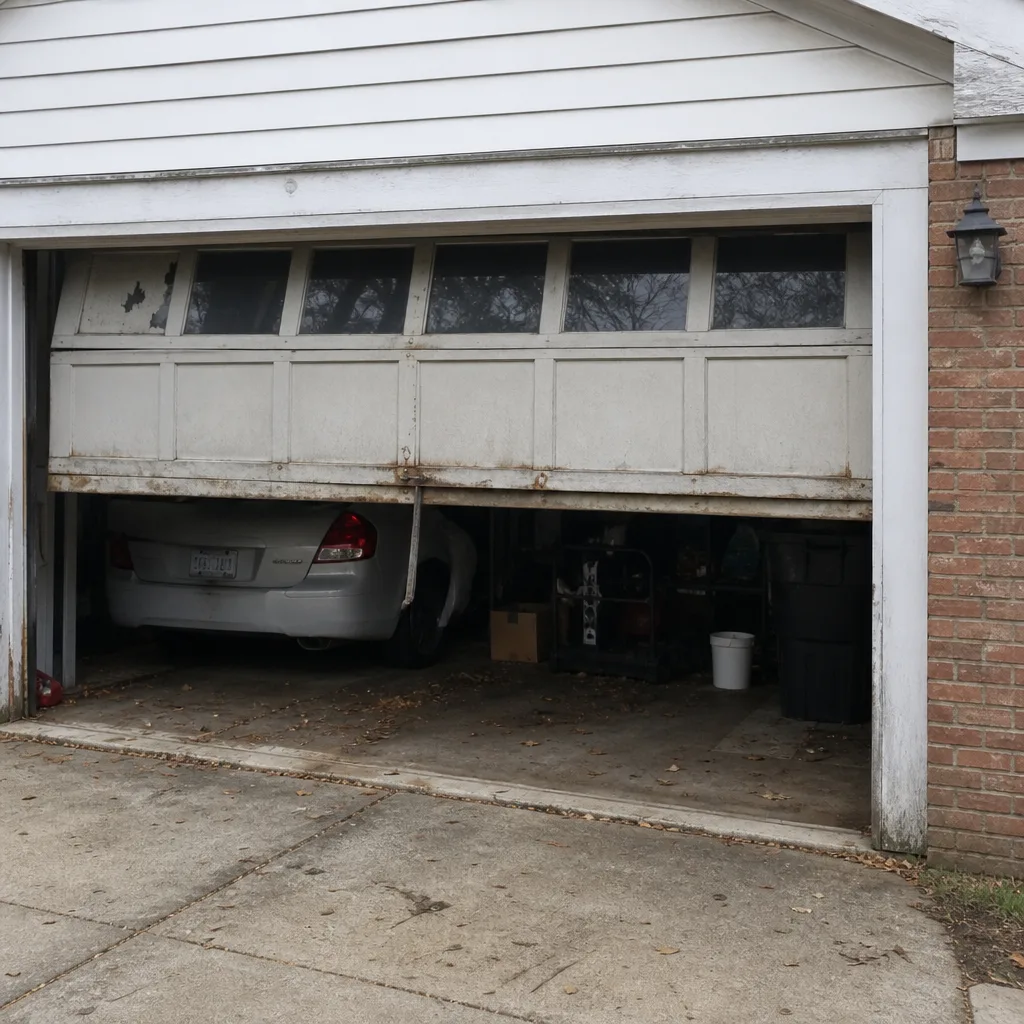 Before
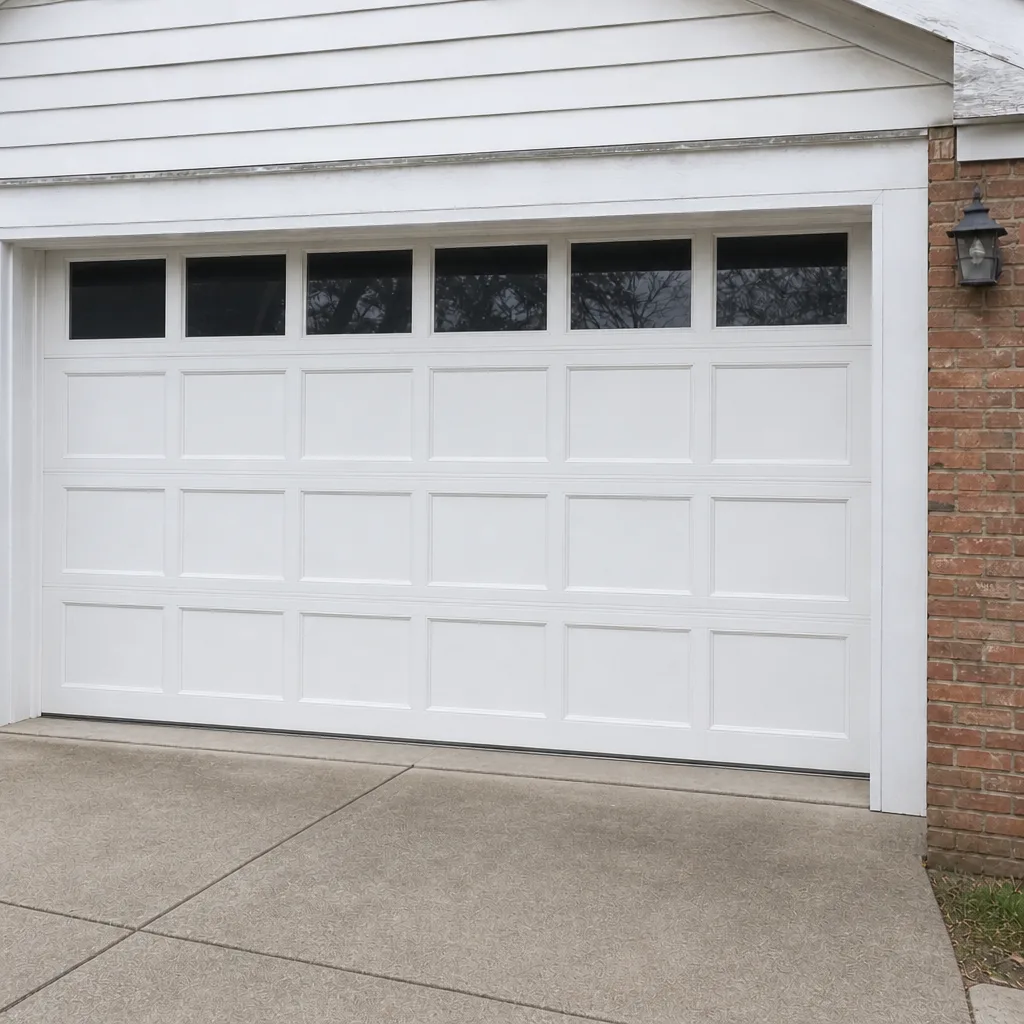 After
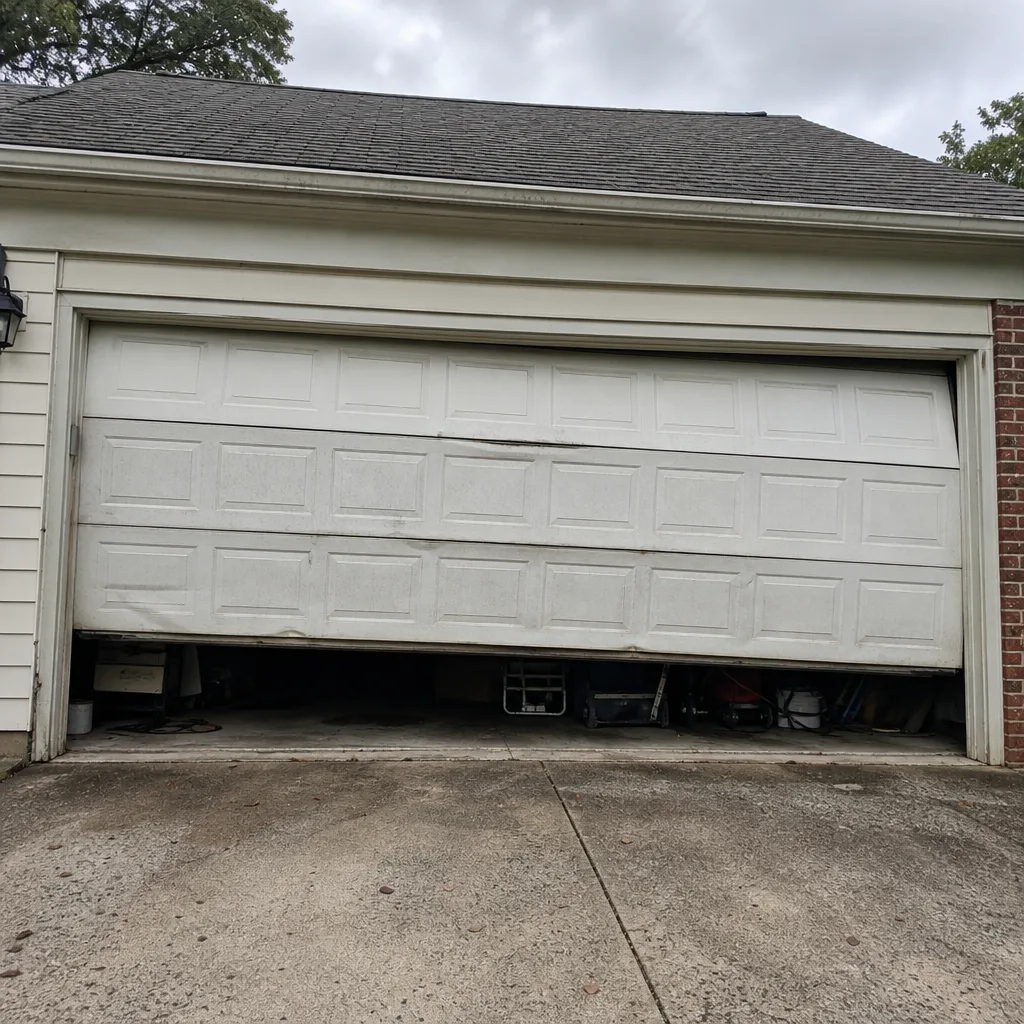 Before
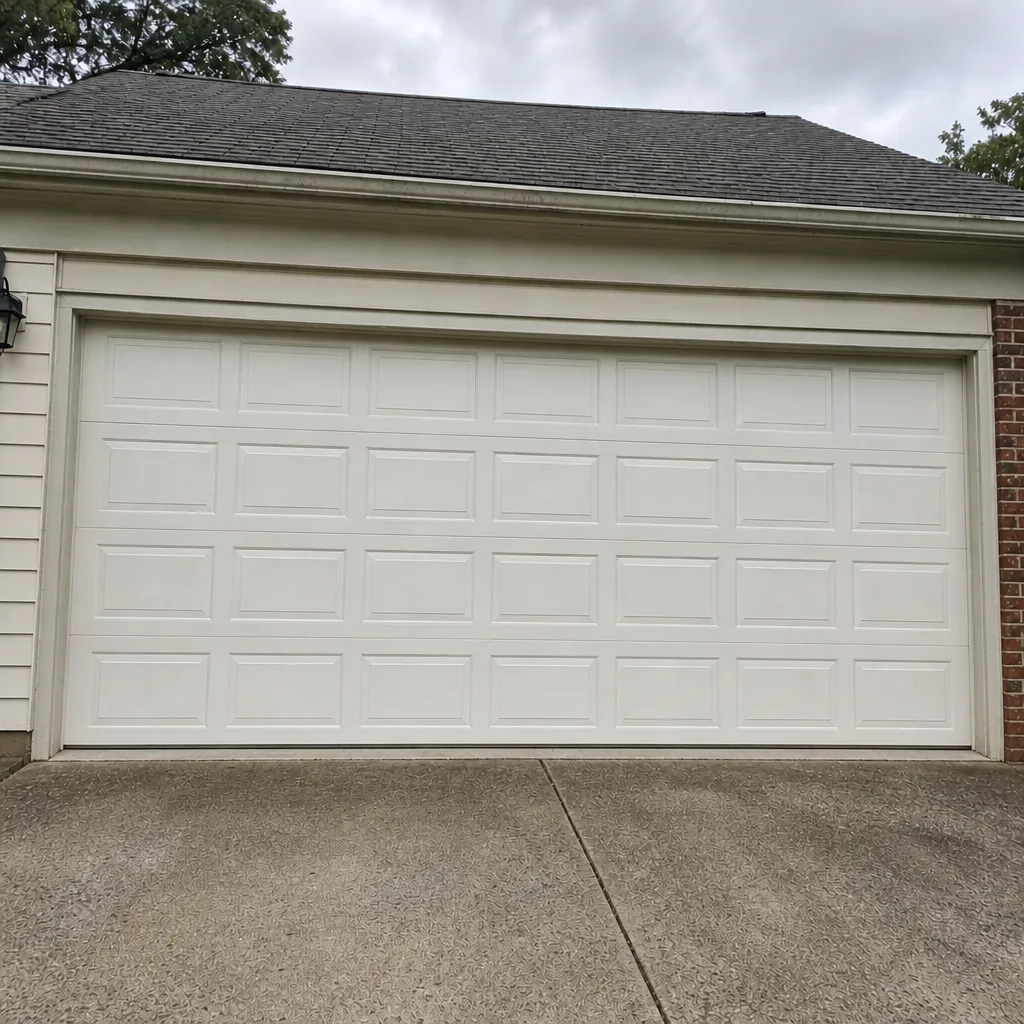 After
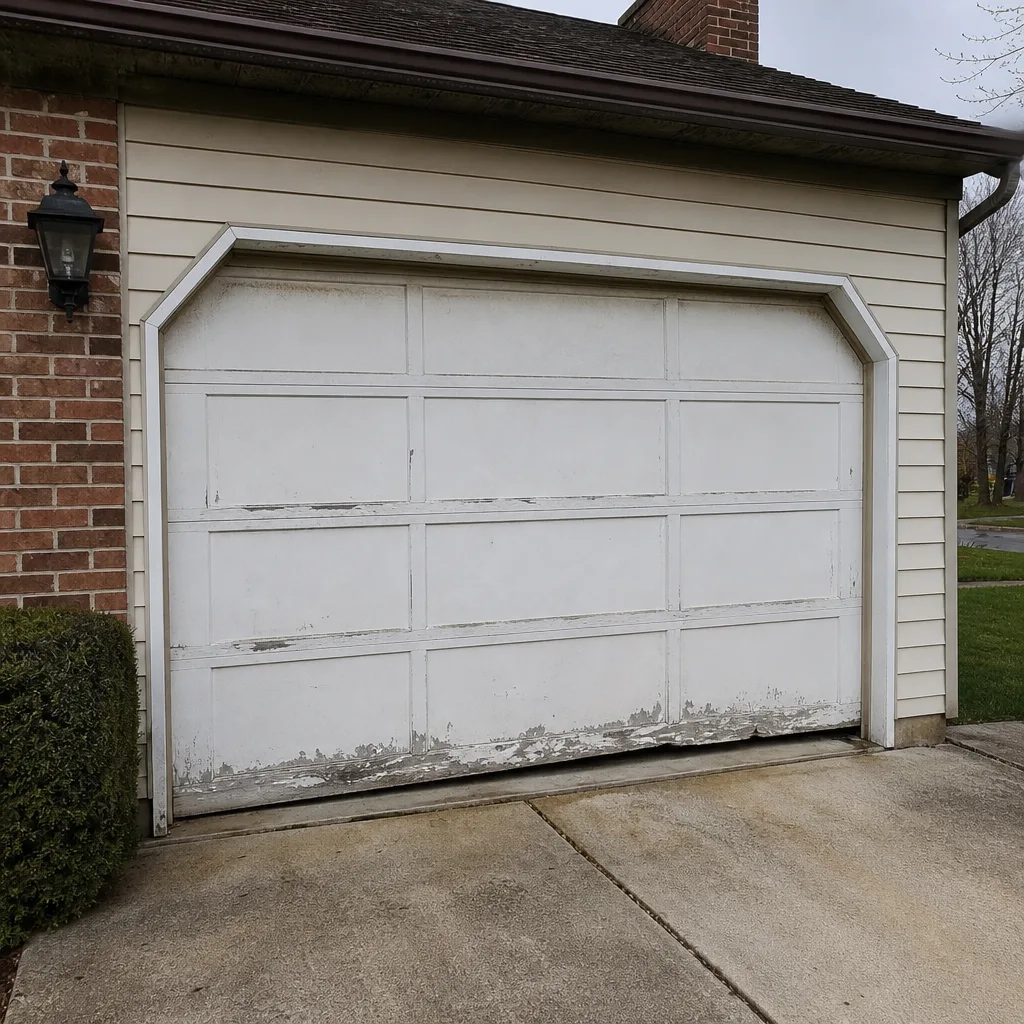 Before
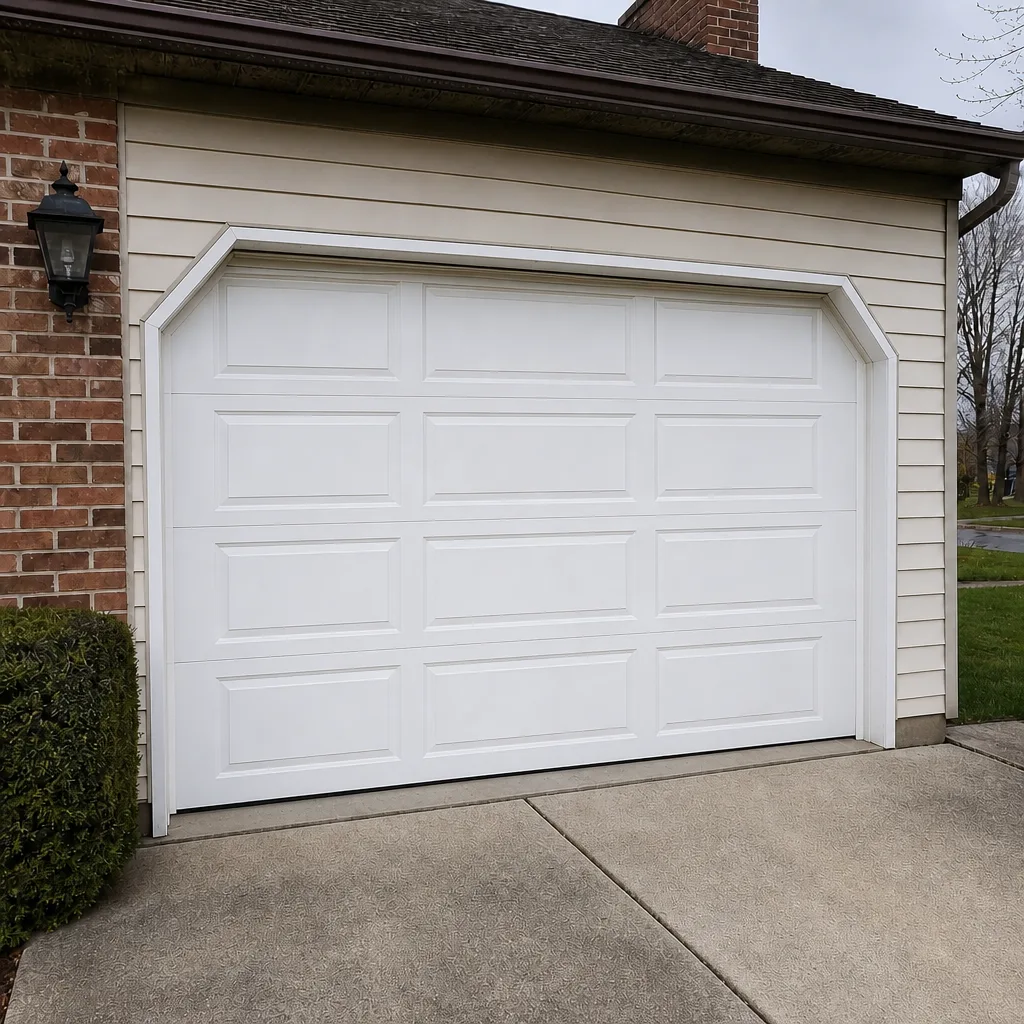 After