Last updated November 23, 2026
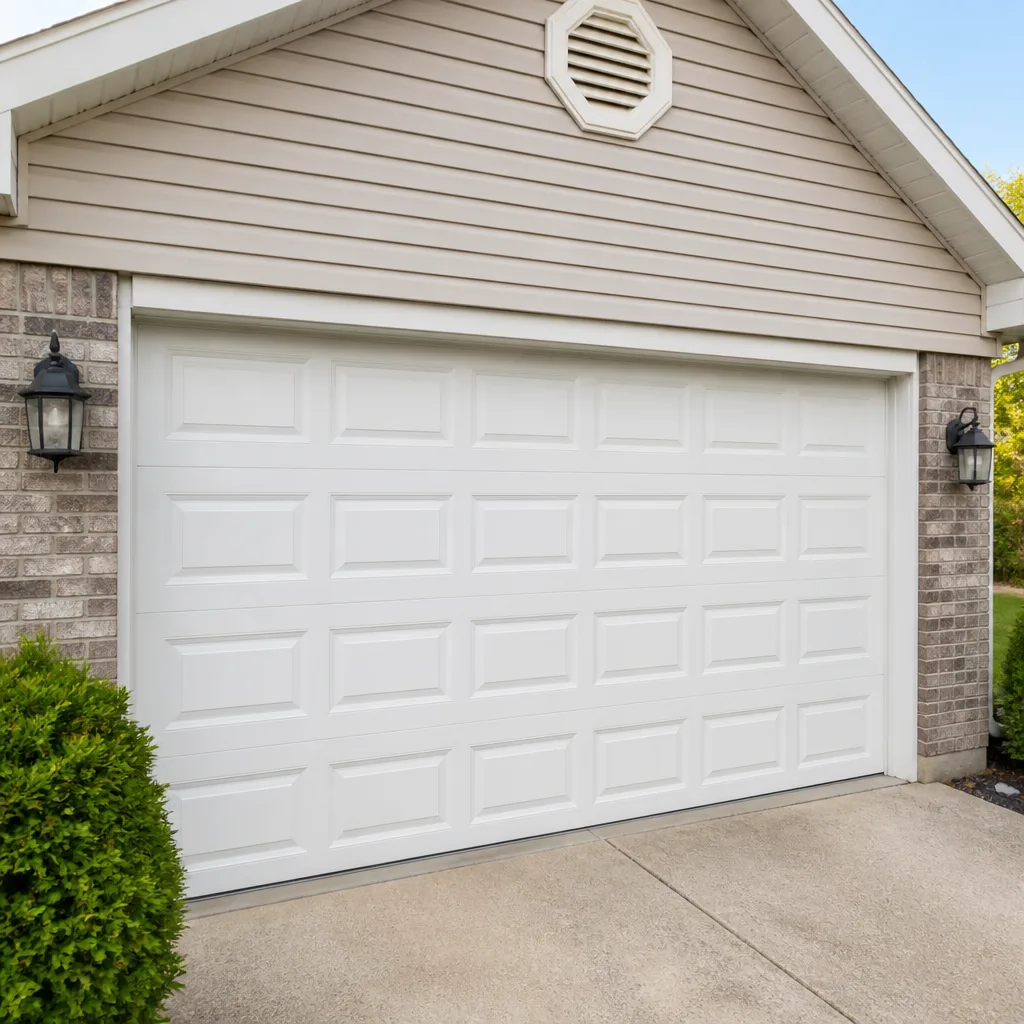 Raised-panel steel
 Carriage house
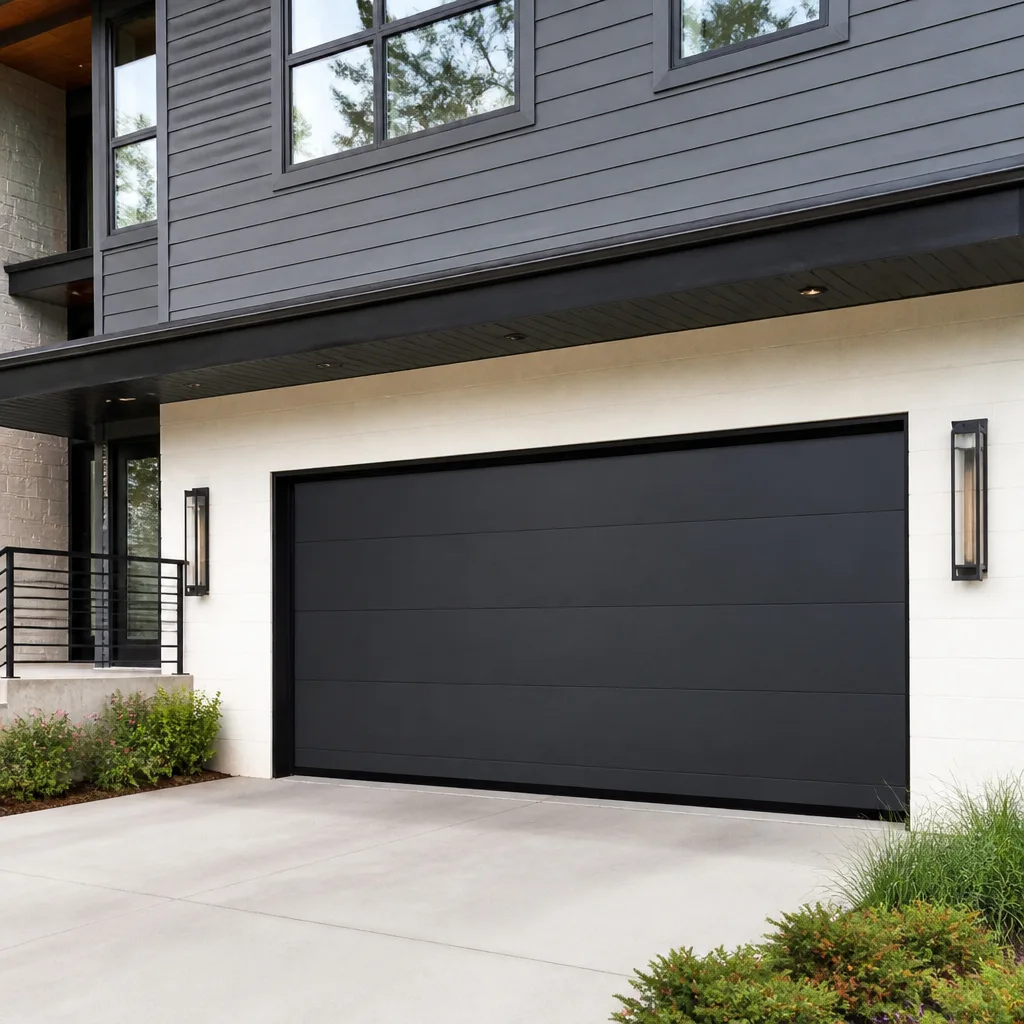 Modern flush
 Full-view glass
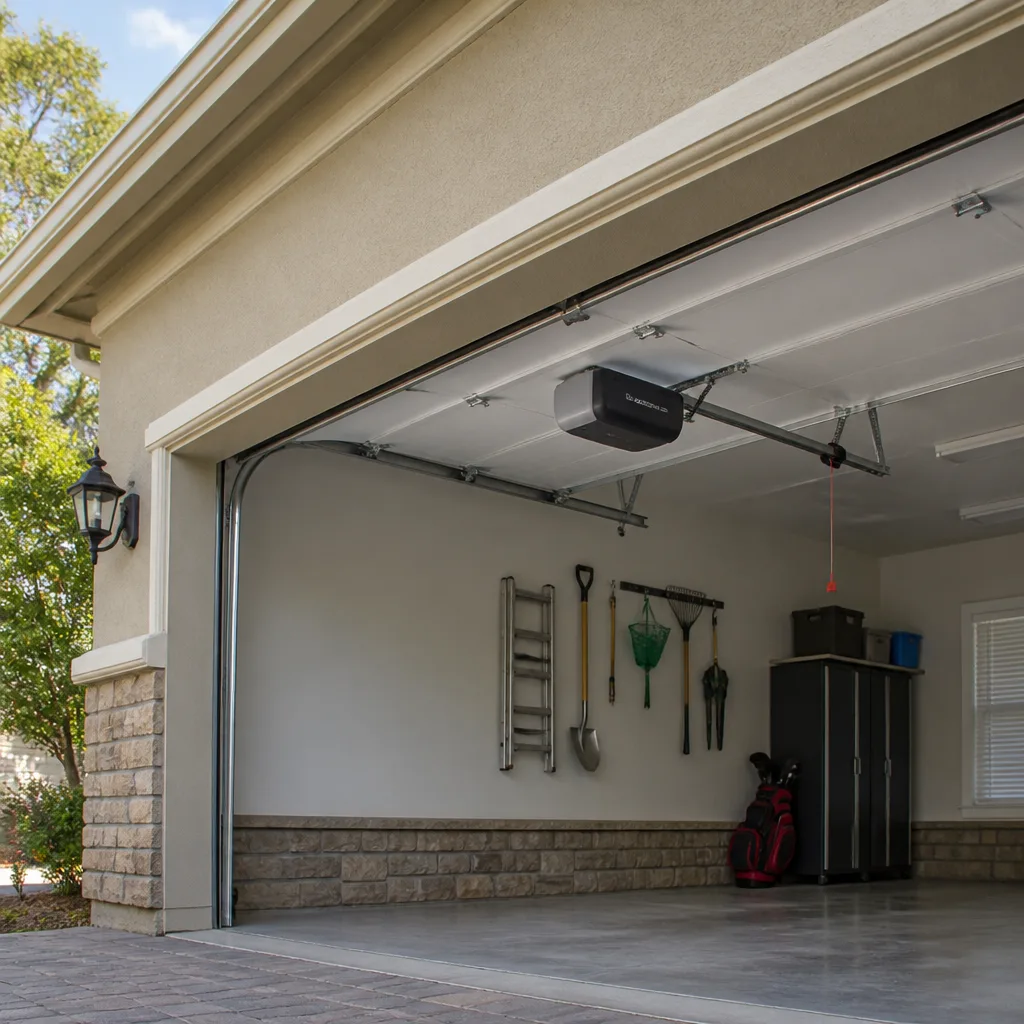 LiftMaster openers
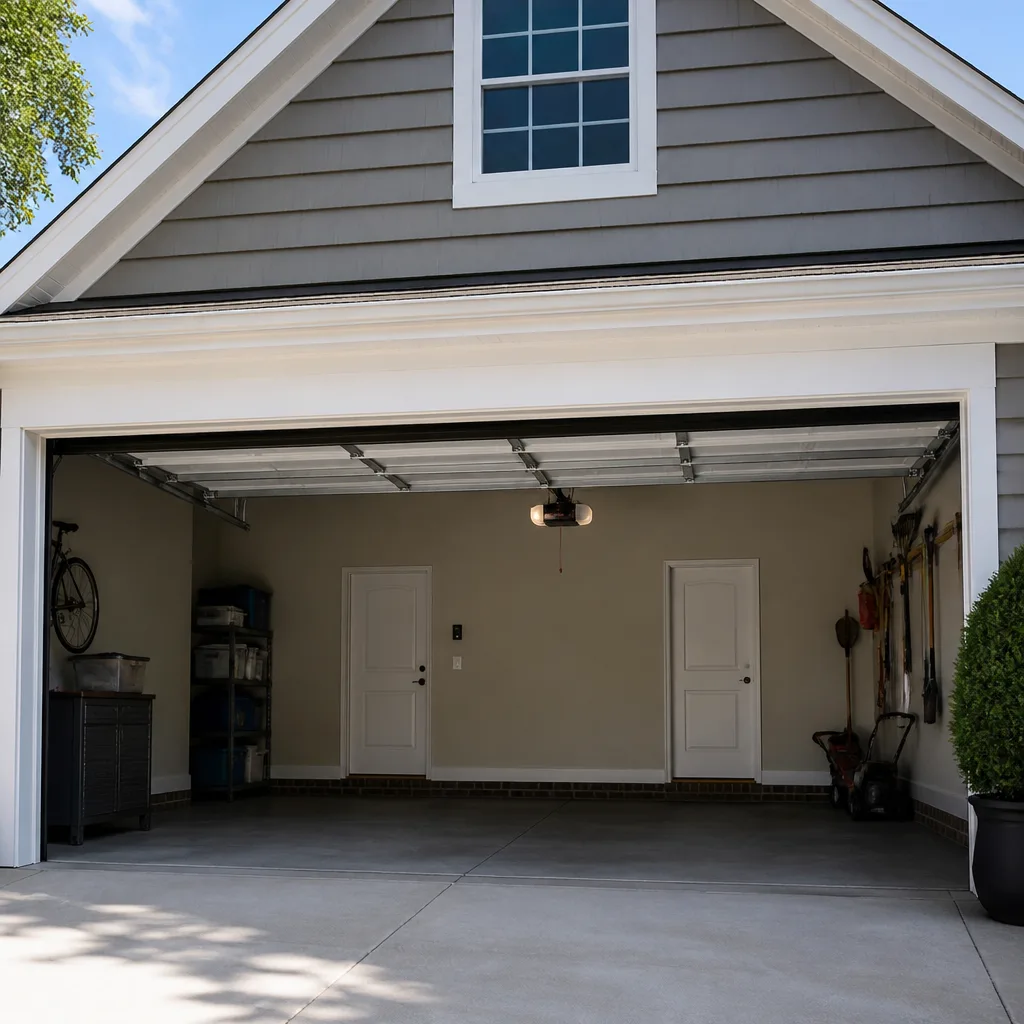 Chamberlain openers
Full 25-point door and opener safety check with every visit - springs, cables, rollers, tracks, and your LiftMaster or Chamberlain opener included
You get a price before we start. It does not change when the pro arrives.
Get your free estimateGarage Door Emergency Preparedness Guide for Sterling Homes
Most garage door emergencies aren’t really about the door. They’re about the moment the power drops in a July storm and your opener goes dead with the car inside, or a spring lets go on a Sunday with the door stuck half-open to the street. The homeowners who get through it fast aren’t luckier than you. They just know where the manual release is and what to do before anything breaks. This guide covers the three emergencies that actually happen to Sterling homes, the right move for each one, and the checklist to have ready before the power cuts out. Read it once now, and a bad night gets a lot shorter.
Quick Answer
A garage door emergency is manageable if you prepare before it happens. In a power outage, use the manual release cord to disconnect the opener and lift the door by hand. If a spring snaps or a track bends, don’t force the door up or down; keep people clear and call for professional repair. Sterling storms knock out power and drive wind-driven debris, so knowing your release, your door type, and your emergency contacts in advance turns a three-hour ordeal into a controlled ten-minute response.
Styles & brands we work with
- Raised-panel steel
- Carriage house
- Modern flush
- Full-view glass
- LiftMaster openers
- Chamberlain openers
Table of Contents
- How to release your garage door by hand when the power goes out
- Power outage in Sterling: what to do in the first five minutes
- When a spring snaps: stuck closed vs. stuck open
- Storm damage: securing a broken panel or bent track until help arrives
- Your emergency contact and documentation checklist
- Preventing the dead battery backup problem
- Common mistakes to avoid
- Frequently asked questions
How Do You Release a Garage Door By Hand When the Power Goes Out?
Pull the manual release cord hanging from the opener trolley to disconnect the door from the machine, then lift it by hand. That is the whole operation, and it takes about ten seconds once you know where the cord is. The trick is that most Sterling homeowners have never looked for it, and in the dark with a car idling, a simple cord becomes a scavenger hunt.
Here’s the sequence to follow. It works on the belt, chain, and screw-drive openers from the major brands, including Genie and LiftMaster, which we see in a large share of Sterling garages.
- Find the release cord. It hangs from the trolley carriage where the opener arm meets the rail, usually a red or black cord with a handle. Locate it now, while the power is on, and you’ll never search for it in the dark.
- Pull straight down and back toward the door. The trolley latch releases with a firm, even pull. Don’t yank at an angle.
- Lift the door by hand. Use the bottom handle or lift bar. A balanced door moves with modest effort; a door that feels like it’s fighting you has a spring problem, and you should stop.
- Prop or secure the door open. Don’t leave a door you’ve lifted by hand half-open over a car or a walkway. Once it’s up, leave it up.
- Reconnect carefully. When power returns, pull the cord again to re-engage the trolley, then test the opener cycle. If the door won’t reconnect smoothly, the trolley may be out of alignment.
One thing that trips people up: a door with a broken spring won’t stay up after you release it. If you lift and it crashes back down, stop lifting and call for help. That’s a spring issue, not a release issue, and it’s covered next.
Power Outage in Sterling: What to Do in the First Five Minutes
When the grid drops in a Sterling neighborhood during a summer thunderstorm or a winter ice event, treat the first five minutes as a checklist rather than a scramble. The goal is simple: get the car out if you need it, secure the door, and confirm the situation before you make it worse.
Here’s the order we recommend:
- Don’t cycle the opener repeatedly. If the power is out, pressing the wall button won’t help, and a surge when power returns can damage the control board.
- Check whether it’s the breaker or the grid. Look at the lights in the rest of the house. If the whole street is dark, it’s the utility. If just the garage is out, check the GFCI outlet and the breaker panel.
- Release the door by hand if you need access. Follow the release steps above, then lift and secure the door.
- Check the battery backup unit if you have one. Many newer openers run on a backup battery for a limited number of cycles. If yours has one and it wasn’t tested, this is the moment you find out.
- Watch for the surge. When power returns, give it a few minutes before cycling the door, and never plug the opener directly into an extension cord or a generator that isn’t properly grounded.
We’ve seen more than a few Sterling garages where a surge after an outage fried the logic board in an otherwise healthy opener. That’s why we treat garage door opener repair as part of outage recovery, not just a mechanical fix. If the door won’t respond after the lights come back, the board or the safety sensors are the first things we check.
When a Spring Snaps: Stuck Closed vs. Stuck Open
A torsion or extension spring snapping is a loud, unmistakable event: a bang from the garage, a car alarm next door, and a door that suddenly weighs hundreds of pounds. What you do next depends entirely on whether the door is stuck closed or stuck open, and both situations have a right and a wrong move.
Before anything else: do not touch the springs, cables, or the door’s tension hardware. Garage door springs hold enormous stored force, and a spring under tension can cause serious injury. A snapped spring is a trained-professional repair, full stop. This is one of the most dangerous DIY jobs in the trade, and it’s the reason we’re so careful about it.
Stuck closed
A door stuck closed with a snapped spring is the safer of the two situations. Your car is stuck inside, but nothing is hanging over the driveway. Leave the door closed, don’t force the opener (it will strain the motor and possibly strip the gear), and don’t try to lift it by hand to “see if it moves.” A door with a broken spring can come down hard and fast. Call for same-day repair and let a technician re-tension or replace the spring properly.
Stuck open
A door stuck open is the urgent one. With a broken spring, the door’s weight is no longer held and the door can drop without warning. Keep everyone, including pets, away from the door and out of the path of the door’s travel. Don’t try to lower it by hand to close it unless you can do so with full control and the track is clear, and even then, only if it’s the only way to secure the opening. The safest move is often to block access to the garage with a vehicle or a temporary barrier and get a technician out as fast as possible. If the door is hanging at an angle or off its track, don’t touch it at all.
In our experience, the spring is the part homeowners are most tempted to “help” and the part that most deserves a pro. When you’re ready, our garage door spring repair team handles broken and worn springs on the major door and opener brands, and we can tell you over the phone whether your door type needs a single spring or a matched pair, since a pair is usually replaced together.
Storm Damage: Securing a Broken Panel or Bent Track Until Help Arrives
Northern Virginia storms bring wind bursts and flying debris, and a garage door is a big, flat, exposed surface. When a limb or a gust leaves you with a cracked panel, a bent track, or a door off its rollers, the priority shifts from “fix it” to “secure it so it doesn’t get worse.”
Here is the storm-damage protocol:
- Assess from a distance first. Look for a door that’s twisted, off its track, or hanging by a single hinge. If it’s clearly unstable, stay out from under it.
- Don’t force a bent track. A track that’s been knocked out of true will bind the door and can bend the panels or shear the rollers. Pushing a door through a damaged track makes a cheap fix an expensive one.
- Secure a broken panel. If a panel is cracked or a window is broken but the door still operates, keep the door closed and away from further wind. A large piece of plywood or a heavy tarp over the exterior can block debris and weather if you can do it safely from outside without climbing around a damaged door.
- Block access if the door won’t close. If the door can’t be closed, secure the opening with whatever is safe: a vehicle in front of the bay, a barrier, or a licensed technician’s temporary fix.
- Document the damage. Photos help with any insurance claim and give a technician a clear picture before they arrive.
- Follow the utility’s safety advice. If a downed line or damaged roof is involved, stay clear and let the utility handle it first.
We treat garage door repair on storm-damaged doors as a careful misalignment and rebalancing job, not a quick track-bend. A door that’s been knocked out of alignment can look fine and still be a safety hazard on its next cycle, so it’s worth a trained eye before you trust it with the car again.
Your Emergency Contact and Documentation Checklist
The best time to build your garage door emergency kit is a quiet afternoon, not a stormy night. Here’s what to have ready so a bad moment stays a small one.
Contacts and documentation
- The repair company’s number, saved in your phone. Save Sterling Garage Door Repair Pros at (855) 684-1720 under a name you’ll recognize in a hurry.
- Your door and opener brands and models. Write down the make and model of your door (Clopay, Amarr, Wayne Dalton, and Raynor are common in the area) and your opener. That’s the difference between a phone diagnosis and a return visit.
- Your opener’s manual. If the paper copy is long gone, most manufacturers host the manual online. The manual shows where the release cord and adjustment screws are.
- A note on your spring type. Torsion (a horizontal bar above the door) or extension (springs running along the horizontal tracks). It tells a technician a lot before they arrive.
- Any warranty or service records. If your door or opener is under a manufacturer’s warranty, keep the paperwork handy.
Physical kit
- A flashlight or two, kept in the garage where you can reach them in the dark.
- Work gloves, in case you need to move debris.
- A sturdy step stool, for reaching the release cord if it’s mounted high.
- A heavy tarp or a sheet of plywood for a quick weather block.
Write the checklist on an index card and tape it inside the garage door jamb. It sounds old-school, but in a blackout it’s the fastest reference you’ll have. And because our technicians have up to 8 years of experience across the major brands, a quick call with your door and opener details often gets you a straight answer on what’s likely wrong.
Preventing the Dead Battery Backup Problem
The most preventable garage door emergency is the battery backup that never got tested. A backup unit is designed to keep the door working when the power drops, but a battery that’s been sitting untested for a year or more can fail exactly when you need it, and you won’t know until the grid goes down.
Here’s how to avoid the surprise:
- Test the backup battery every six months. Unplug the opener from the wall outlet (don’t just flip the breaker) and run the door through a full open-and-close cycle on battery power. If it struggles or won’t move, the battery is the culprit.
- Know your battery type. Backup batteries vary by opener brand and model, so check your manual before buying a replacement. A wrong-size battery is its own hazard.
- Watch for the warning signs. A beeping opener, a door that moves slowly, or a battery light that stays on are all signals the battery is on its way out.
- Test the door’s balance while you’re at it. With the door disconnected from the opener, lift it halfway. A balanced door stays put. One that drifts down has a spring or tension problem worth catching early.
If the battery is dead and you’re not sure which replacement fits, we can identify the right one for your model, and if the opener electronics themselves are the problem, our garage door opener repair team can sort it out. A battery that’s tested every six months turns a power-outage scramble into a non-event.
Common Mistakes to Avoid
- Yanking the manual release at an angle. Pull the cord straight down and back toward the door. A sideways yank can jam the trolley latch and leave the door stuck, which is the opposite of the point.
- Forcing a door through a bent track. A track knocked out of alignment in a Sterling windstorm will bind the door and can bend panels or shear rollers. Stop, secure it, and let a technician true the track.
- Not knowing your door and opener brands. In a hurry, “I don’t know what I have” slows down every call. Write the make and model on the checklist card inside the garage.
- Ignoring a loud bang from the garage. A snapped spring sounds like a gunshot or a car alarm next door. If you hear it, check the door before you cycle it again, and don’t try to fix the spring yourself.
- Trying to fix a broken spring. This is the one DIY temptation to resist completely. Springs hold serious stored energy, and a spring under tension can cause serious injury. Leave it to a trained technician.
- Waiting to test the battery backup until the night it’s needed. An untested backup is a hope, not a backup. Test it twice a year on a calm afternoon.
- Only one person in the household knowing the protocol. Walk everyone through the release cord and the checklist. The person home during the outage shouldn’t be the only one who knows where the cord is.
See the difference
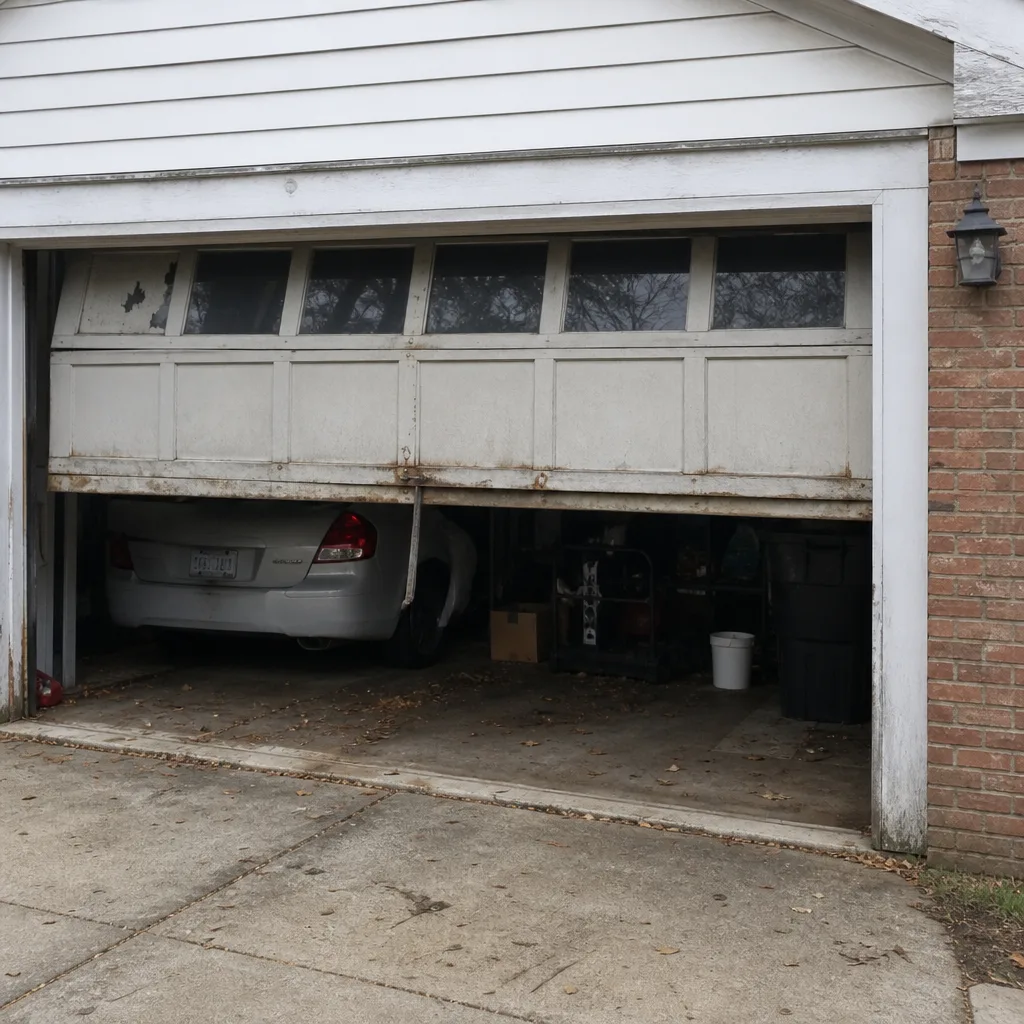 Before
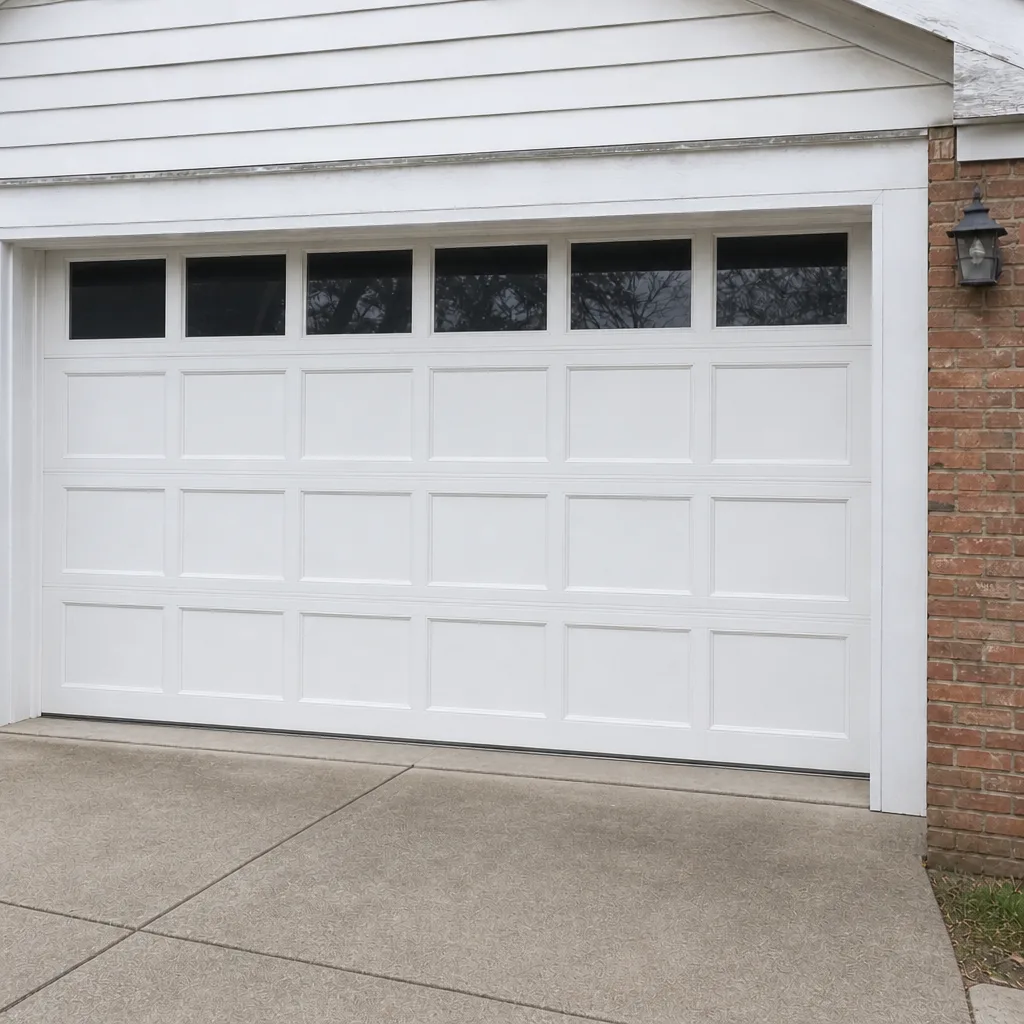 After
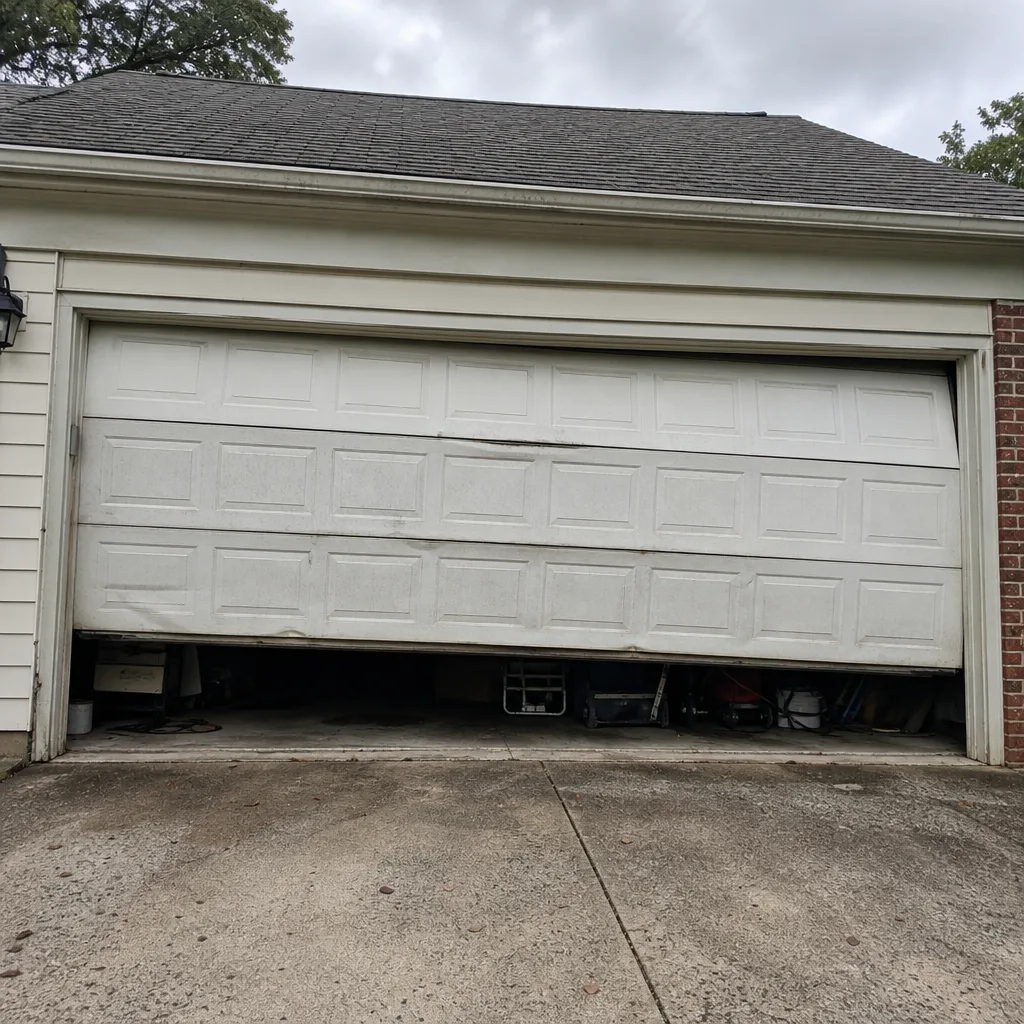 Before
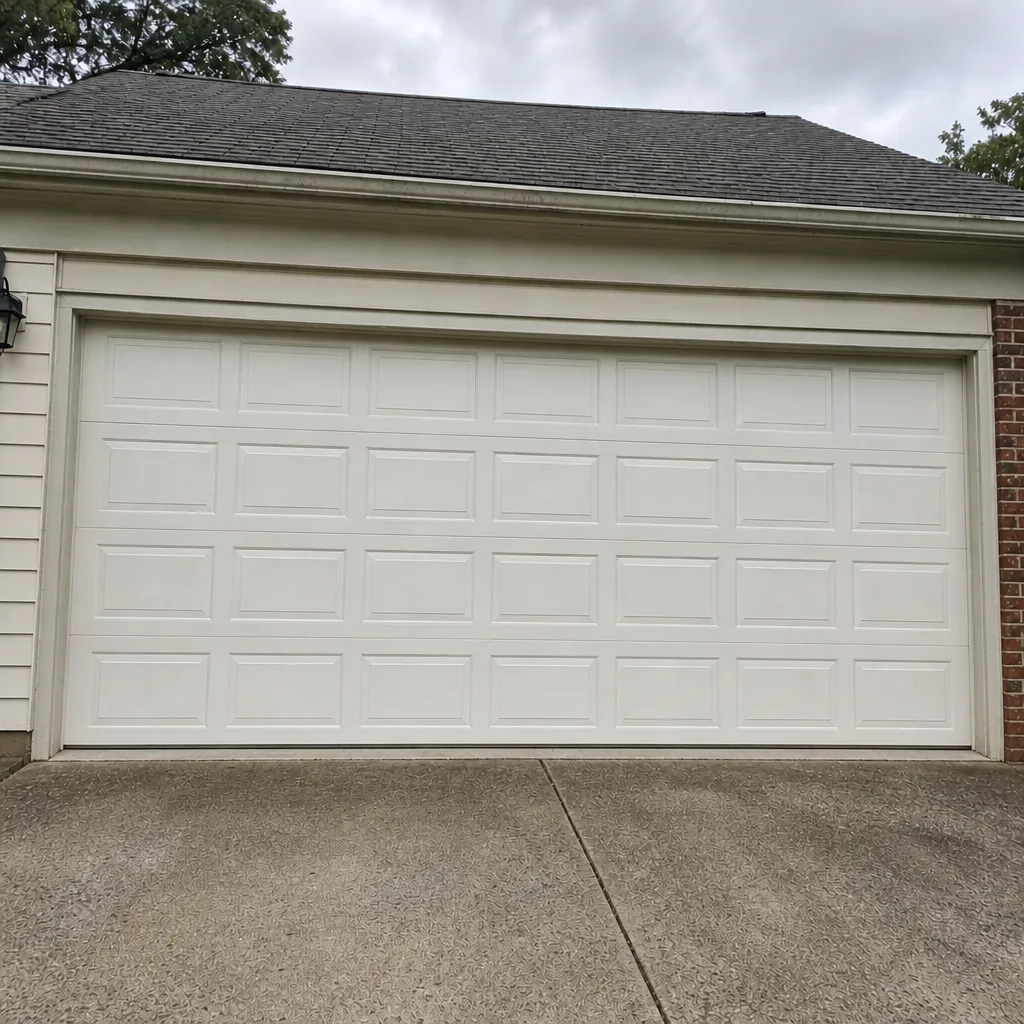 After
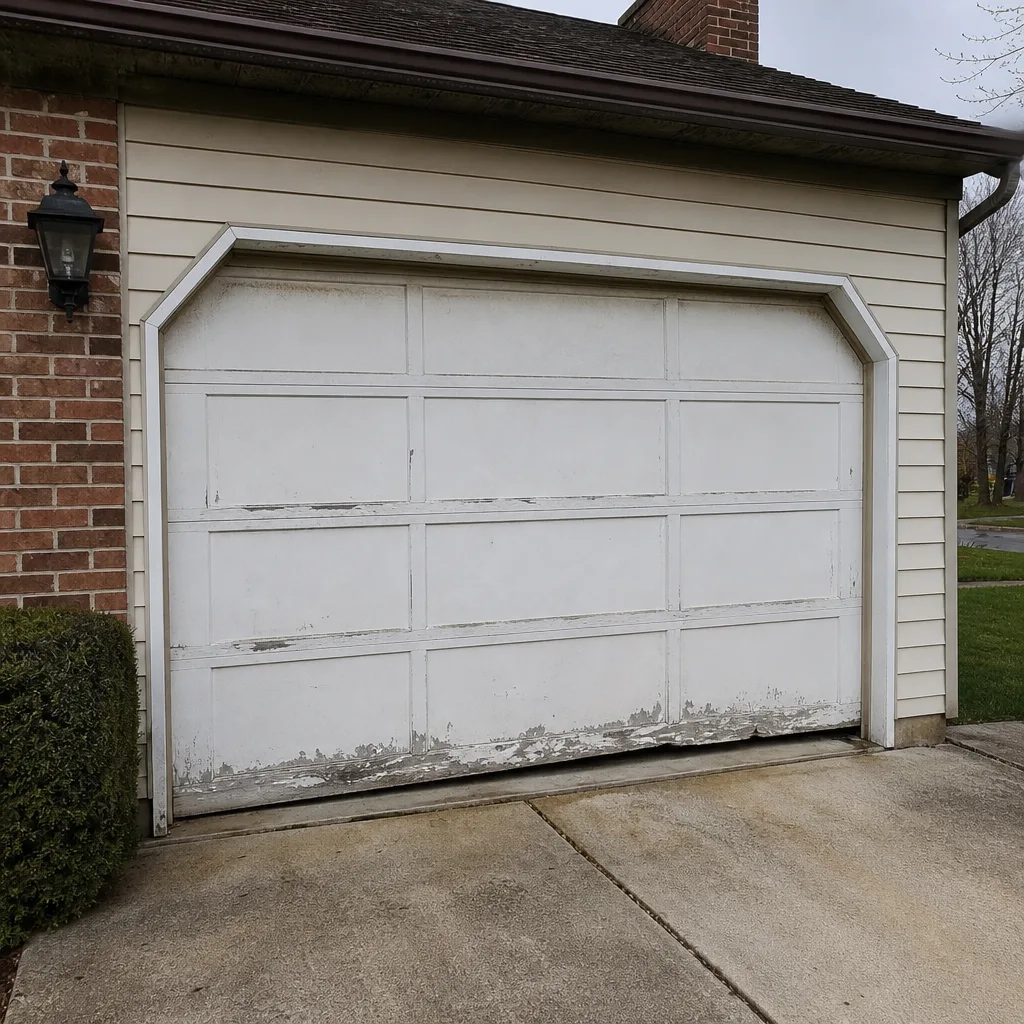 Before
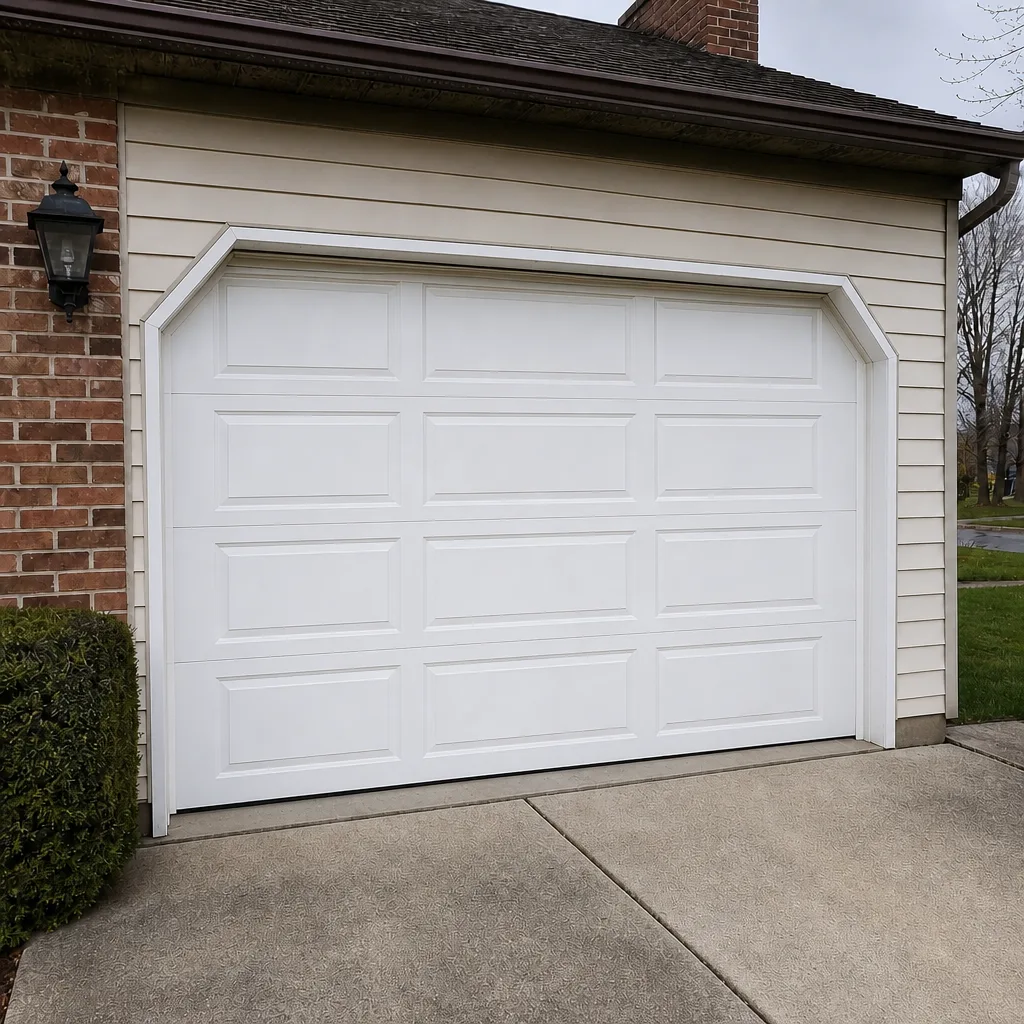 After
When to Call a Professional
Some emergencies are clearly professional territory: a snapped spring, a bent track that binds the door, a panel that’s hanging or off its rollers, an opener that’s dead after a power surge, and any situation where the door won’t stay up or won’t close. Those aren’t DIY jobs, and the door is heavy and under tension. If you’re unsure whether a problem is safe to handle, that uncertainty is your answer; call. Sterling Garage Door Repair Pros offers free estimates in Sterling. Call (855) 684-1720. We service the eight major door and opener brands, so the odds are good we already know the hardware on your garage.
Frequently Asked Questions
Yes. Pull the manual release cord hanging from the opener trolley to disconnect the door, then lift it by hand using the bottom handle. A balanced door moves with modest effort. If it feels heavy or crashes back down, a spring is the problem, so stop and call for help.
Keep everyone and everything away from the door’s path and call for emergency repair. With a broken spring, the door’s weight is no longer held, so it can drop without warning. Don’t try to lower it by hand unless you can do so with full control and the track is clear.
Test it every six months by unplugging the opener and running a full open-and-close cycle on battery power. If the door strains or won’t move, the battery needs replacing. A backup that’s never tested is the most common preventable garage door emergency.
In most cases, yes. Emergency service is a core part of what we do, built for situations that can’t wait, and same-day calls are the norm for spring, track, and opener failures. Call (855) 684-1720 and we’ll give you a clear answer on timing and price before any work starts.
Only after it’s been checked. A door that’s been knocked out of alignment can look fine and still be a hazard on its next cycle. If a track is bent or a panel is cracked, keep the door closed, secure the opening, and have it inspected before you trust it with the car.
First, check the breaker and the GFCI outlet in the garage. Then test the manual release and the battery backup. If the opener still won’t respond, the surge may have taken out the logic board or the safety sensors, and that’s a repair call rather than a reset.
We service LiftMaster, Chamberlain, Genie, Clopay, Amarr, Wayne Dalton, Craftsman, and Raynor. Knowing the brand already on your garage speeds up the diagnosis and helps us get the right parts the first time.
The Bottom Line
Garage door emergencies follow a pattern: the power goes out, a spring snaps, or a storm knocks the door out of true, and the homeowner either has a plan or doesn’t. Sterling storms make all three likely at some point. The plan is short: know where your release cord is, know your door and opener brands, test the battery backup twice a year, and know what not to touch when a spring lets go. Have the repair number saved before you need it, and a bad night becomes a controlled one. For repairs, opener issues, and full door installation, our team is one call away.
When you’re ready for a repair, a diagnosis, or a free estimate, call (855) 684-1720 and we’ll tell you exactly what to expect before any work begins.
Written by the team at Sterling Garage Door Repair Pros.