Last updated November 23, 2026
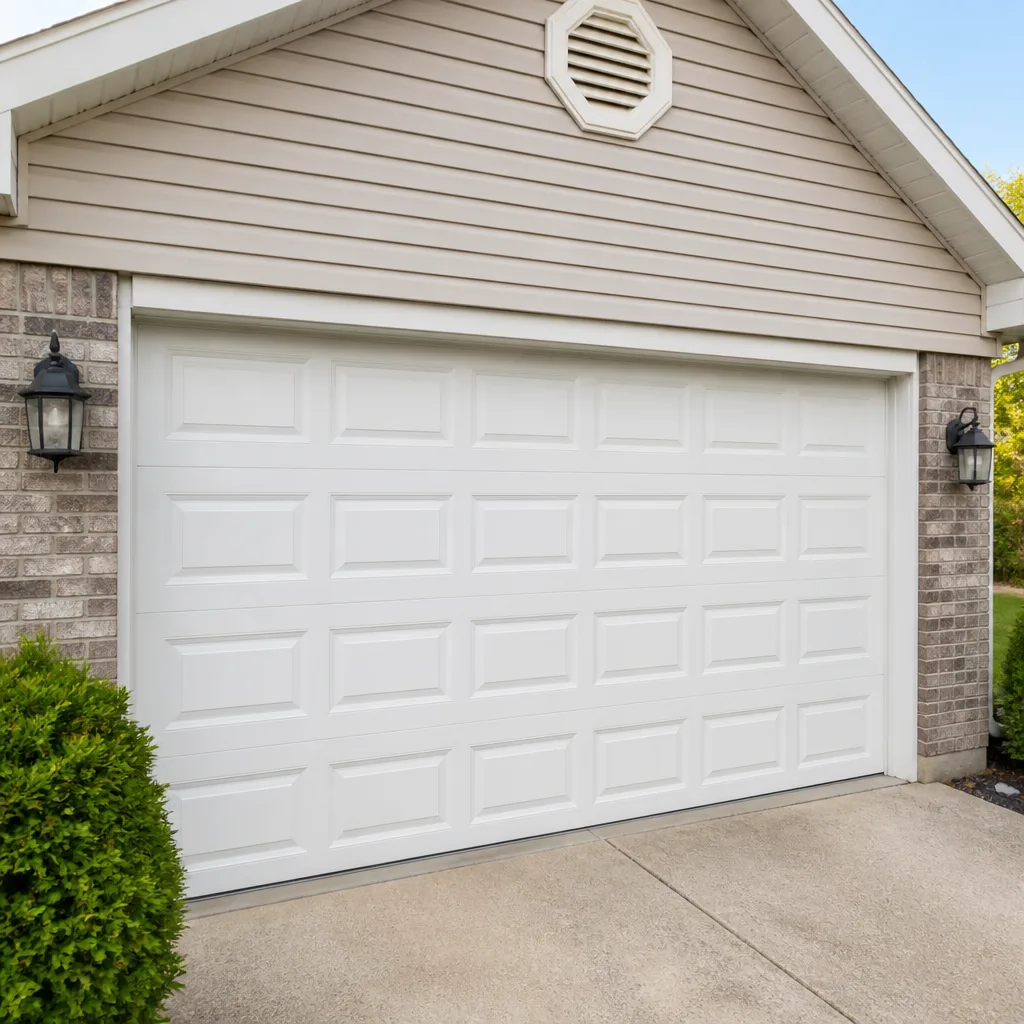 Raised-panel steel
 Carriage house
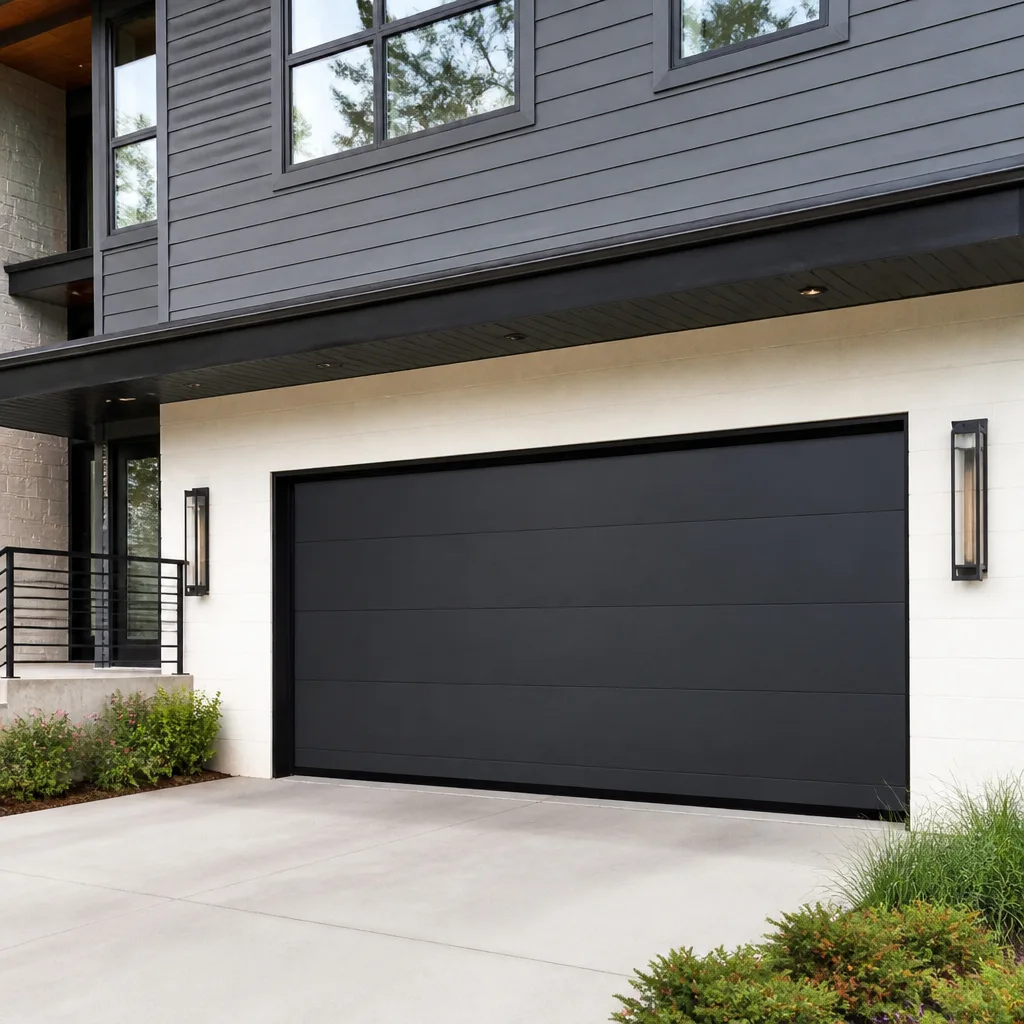 Modern flush
 Full-view glass
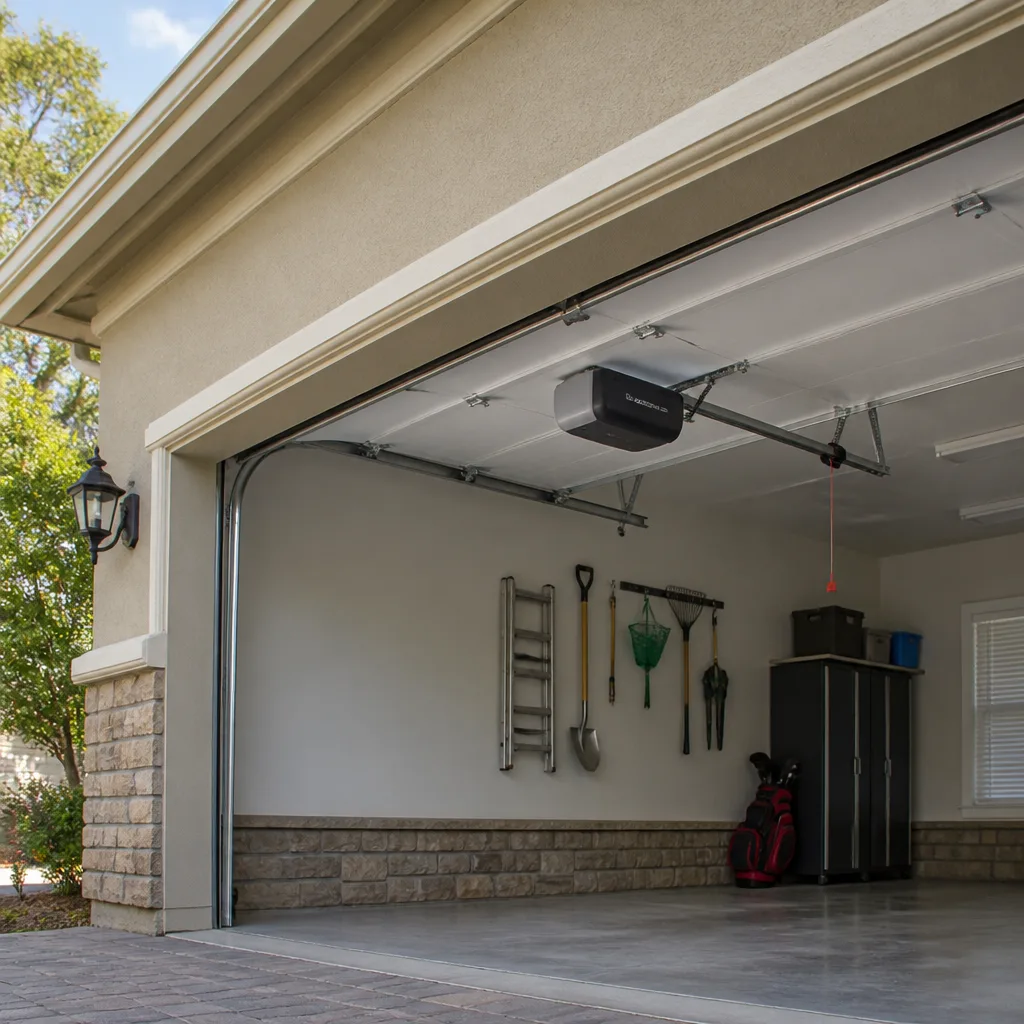 LiftMaster openers
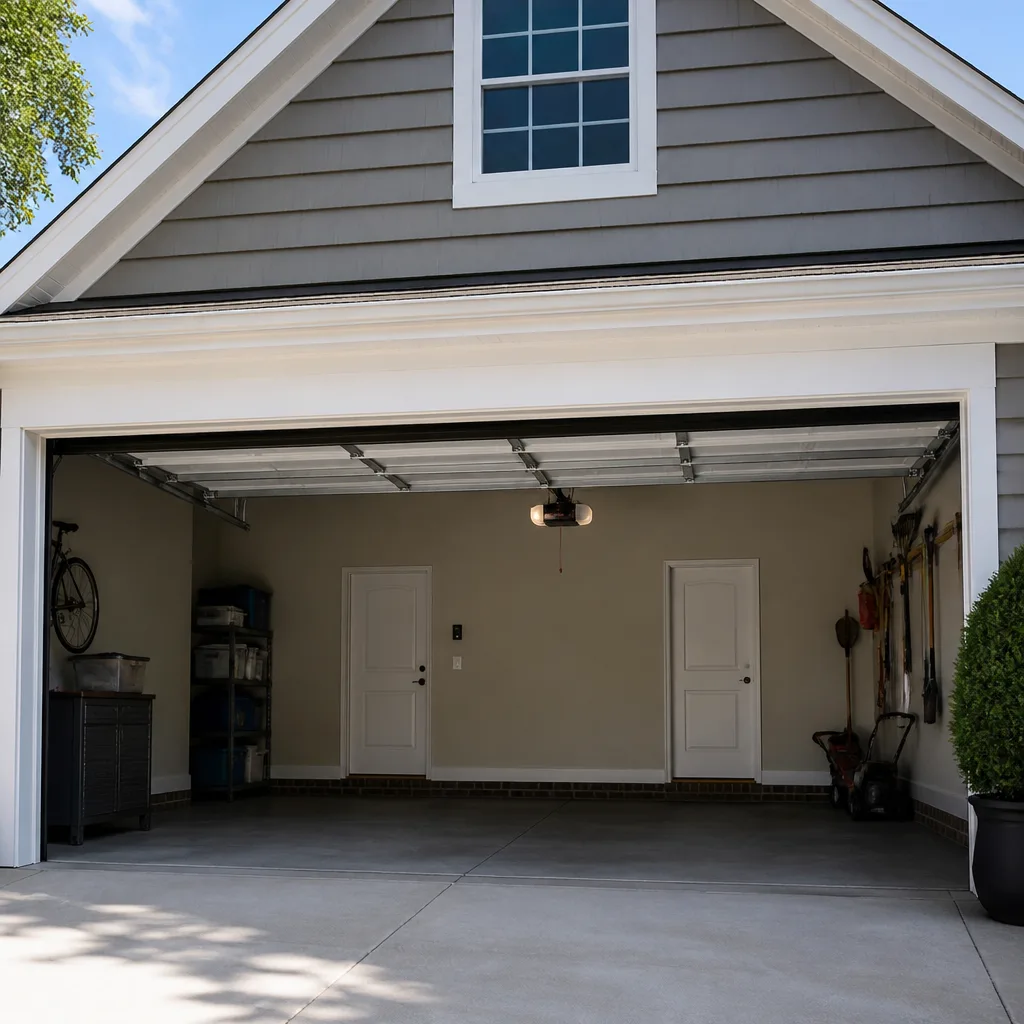 Chamberlain openers
Full 25-point door and opener safety check with every visit - springs, cables, rollers, tracks, and your LiftMaster or Chamberlain opener included
You get a price before we start. It does not change when the pro arrives.
Get your free estimateSeasonal Garage Door Care for Sterling: Year-Round Homeowner’s Guide
Lubricating your springs in July is almost pointless. Doing it in October, before the first hard freeze, is what actually prevents a snapped spring in January. That single shift in timing explains why two Sterling homes with identical doors can have very different repair histories. Our four seasons don’t wear a garage door evenly. Summer humidity and winter thermal shock do most of the damage, and the homeowner who focuses on the right components in the right month spends far less time waiting on a repair call. In this guide, we’ll walk through what each season actually does to your door, which parts to check first, and the one task worth repeating year-round. Sterling Garage Door Repair Pros handles the work when a check turns up something you’d rather not touch.
Styles & brands we work with
- Raised-panel steel
- Carriage house
- Modern flush
- Full-view glass
- LiftMaster openers
- Chamberlain openers
Quick Answer
Seasonal garage door care in Sterling comes down to four priorities: in summer, protect rollers and the bottom seal from sustained humidity; in fall, inspect springs and cables and reset opener force before temperatures drop; in winter, adjust for binding and false auto-reverses on cold mornings; in spring, check all hardware for frost damage and cable fraying. The one task that belongs in every season is testing auto-reverse sensitivity, because it drifts as the temperature swings.
Table of Contents
- Why Sterling’s Four Seasons Wear Different Parts
- Summer: Humidity and the Parts It Attacks Fastest
- Fall: The Pre-Winter Inspection Sequence
- Winter: Why Doors Bind and Reverse on Cold Mornings
- Spring: Post-Frost Hardware Inspection
- The One Task That Spans All Four Seasons
- A Month-by-Month Care Calendar
- Common Mistakes to Avoid
- When to Call a Professional
- Frequently Asked Questions
Why Sterling’s Four Seasons Wear Different Parts of Your Door
A garage door is the largest moving assembly in your house, and it’s exposed to every swing in temperature and humidity. In Sterling, that swing is wide. Summer brings stretches of humid air that hang around for days. Winter brings hard freezes and the thaw that follows. Each of those conditions stresses a different part of the system.
Springs do the heavy lifting. A torsion spring stores enough energy to counterbalance the full weight of the door, and that stored tension responds to temperature. Metal contracts in the cold, and a spring that felt fine in October can sound and behave differently in January. Rollers, hinges, and the bottom seal face a different problem in summer, when damp air settles against metal and rubber for weeks at a time.
What we’ve learned from years of service calls across Sterling is that homeowners who match their maintenance to the season catch problems earlier. A cable that’s beginning to fray in March is a cheap fix. The same cable failing in December is a door stuck open in the cold. The order of the checks matters as much as the checks themselves. Below, we break down what each season demands and why.
If you’d rather have the system evaluated end to end before the next cold snap, our garage door repair team can inspect the full assembly and tell you what needs attention now versus what can wait.
Summer: Humidity and the Parts It Attacks Fastest
Summer humidity in Sterling climbs high and stays there, and the parts that suffer most are the ones that move quietly in the background: roller bearings and the bottom seal. Rollers are small, and their sealed bearings don’t respond well to weeks of damp air. When moisture works its way in, the grease inside breaks down and the roller starts to drag instead of roll. You may notice a door that’s louder than it used to be, or one that shudders as it travels up the track.
The bottom seal collects more grit and moisture than any other part of the door. It sits against the concrete, holds the seal tight against the weather, and takes the brunt of summer’s damp. A seal that’s cracking, stiff, or pulling away from the door lets humid air and pests into the garage. That’s a small problem in July and a bigger one by fall.
Here’s what we recommend focusing on during the summer months:
- Listen to the door. A rumble or squeal that wasn’t there in spring usually points to roller bearings losing their lubricant.
- Check the bottom seal by hand. It should flex and press back into shape. A seal that stays flattened or splits at the corners is done.
- Wipe the tracks. Summer dust and grit combined with humidity make a paste that wears on rollers. A dry cloth along the track does a lot.
- Look at hinges for rust. Even light surface rust on a hinge tells you moisture is sitting where it shouldn’t.
What we don’t recommend in summer is heavy lubrication of springs. It’s not dangerous, but it’s wasted effort. The oil thins in the heat and migrates away from where it’s needed. Save the serious spring attention for fall, when the cooler air will help it stay put. Panels and hardware from brands like Clopay and Amarr are built to handle seasonal swings, but the moving parts inside the track still need attention regardless of the door’s construction.
Fall: The Pre-Winter Inspection Sequence
The single most valuable hour you’ll spend on your garage door all year happens in the fall, before the first hard freeze. This is the window where you can catch a spring that’s losing tension, a cable that’s starting to wear, and an opener whose force settings are out of step with the coming cold. Do these checks in order, because each one builds on the last.
- Test the door’s balance by hand. With the opener disconnected, lift the door to about halfway and let go. A balanced door should stay put. If it drifts down or slams up, the springs are telling you something.
- Inspect the springs. Look for gaps, rust, or a visibly stretched coil. Never touch or adjust a spring under tension. This is the part of the system that deserves a professional’s eyes.
- Check cables for fraying. Run your eyes (not your hands) along each cable where it wraps the drum and where it attaches at the bottom bracket. Any broken strand is a reason to stop and call.
- Reset the opener’s force and travel limits. Cold air changes how much effort the door needs. Following the opener manual for a Genie or a LiftMaster, run the force adjustment so the door closes smoothly without overworking the motor.
- Lubricate the moving parts. A garage door lubricant on hinges, rollers, and the spring (not the track) now will help everything stay smooth through the cold months.
This sequence is where lubrication actually pays off. A spring lubed in October holds its protection through the cold, when the metal is most stressed. Doing this work before the first freeze is the difference between a door that opens quietly in January and one that wakes the house. If a check uncovers a problem with the springs, our garage door spring repair team handles the replacement safely and can have the door back in balance quickly.
Winter: Why Doors Bind and Reverse on Cold Mornings
On a cold Sterling morning, a garage door that worked fine the week before may struggle, bind, or reverse before it touches the floor. This usually isn’t a broken part. It’s the system dealing with cold. Metal contracts, lubricant thickens, and the door’s travel gets slightly heavier than the opener expects.
The most common winter complaints we hear fall into a few patterns:
- The door reverses as it closes. The opener thinks it hit something. Cold, stiff components or a slightly out-of-adjust force setting cause a false reversal.
- The door binds in the track. Contraction can pull the door slightly out of alignment, or an old roller can seize in the cold.
- The opener strains or stops partway. Thickened lubricant and higher resistance overload the motor, and many openers will stop to protect themselves.
The fixes are specific to each cause. A door that reverses on a cold morning often just needs its force setting nudged up slightly, following the opener manual. Mild binding can resolve with a light lubricant on the rollers and hinges, applied when the door is warm. What you shouldn’t do is keep cycling a door that’s straining. Repeated operation on a binding door wears the opener’s gears and puts more stress on the springs.
One more thing worth knowing in winter: don’t force a frozen bottom seal. If the door is iced to the floor, break it loose gently before running the opener, or you risk stripping a gear or damaging the seal. In our experience, a few minutes of care in the cold saves a service call. If your door is reversing or binding and you can’t trace the cause, our team works on the brand already on your garage, so diagnosis is faster.
Spring: Post-Frost Hardware Inspection
Spring is the season to look closely at everything that winter stressed. The freeze-thaw cycle works metal and rubber hard, and the damage doesn’t always announce itself. This is the best time of year to catch cable fraying before it snaps, because the wear from a cold winter is fresh and visible if you know where to look.
Start with a full hardware walkaround:
- Check the cables at both ends. Look at the bottom bracket where each cable attaches, and at the drum where it winds. Any broken wire, kink, or sign of slack means stop and call.
- Inspect hinges and rollers. Winter freezing can crack hinge plates and seize rollers. Replace any roller that doesn’t spin freely by hand.
- Look at the tracks for dents or misalignment. A door that took a bump or shifted in the frost can put the whole assembly off track.
- Examine the weather seal and bottom seal. Winter is tough on the seal, and a cracked or torn one lets water and cold air in.
- Test the door’s balance again. The same half-open test from fall tells you whether spring tension survived the winter.
Cables are the part we most often find failing in spring. They’re under high tension and they don’t age gracefully. A frayed cable is a serious safety issue, because a cable that snaps under load can whip and cause injury. If a check turns up fraying, don’t keep running the door. Have it looked at. A full inspection in spring is also a good moment to check whether your door’s panels and hardware, from a Wayne Dalton or Amarr model to an older door, have any loose fasteners or worn bushings that winter loosened.
The One Task That Spans All Four Seasons
Of all the checks in this guide, one belongs on your calendar every season: the auto-reverse safety test. This is the feature that makes the door reverse when it meets an obstruction, and it’s the single most important safety system on a garage door. It also drifts as the temperature changes, which is why a test that passed in July doesn’t guarantee the same result in January.
The test itself takes under a minute and doesn’t require touching any moving parts under tension. Here’s how to run it:
- Place a solid object, like a roll of paper towels or a 2×4 laid flat, in the door’s path.
- Close the door using the opener and watch what happens when it meets the object.
- The door should reverse within a moment of contact. If it doesn’t, the sensitivity needs adjustment, or the opener has a component that needs service.
- Test the photo-eye safety sensors by passing an object through the beam while the door is closing. The door should reverse immediately.
Run this test once a month if you can, and at a minimum once per season. When it fails, the fix is usually a sensitivity adjustment on the opener, but it can also point to a failing sensor, a misaligned photo-eye, or a worn bottom seal. If the opener itself is the problem, our garage door opener repair team works on the major brands, from Genie and Chamberlain to LiftMaster and Craftsman, and can trace whether it’s a sensor, a logic board, or a mechanical issue.
A word of caution here: the test is safe, but diagnosing and replacing components inside the opener housing involves electrical connections and moving parts. If the door won’t reverse and you’ve checked the alignment, that’s a job for a trained technician. The same goes for anything involving the springs or cables. Those parts store and release a lot of energy, and the risk of serious injury is real. Our technicians have up to 8 years of experience, and it’s the component they respect most.
A Month-by-Month Care Calendar
If you want a simple rhythm to follow across the year, here’s how we’d map it. These are the tasks in the order they matter, tied to the seasons.
- Spring (after the last hard freeze): Full hardware walkaround. Check cables for fraying, test hinges and rollers, inspect tracks and the bottom seal, and re-test the door’s balance.
- Summer (mid-season): Listen for new noises, check the bottom seal for cracks and stiffness, wipe the tracks, and look for rust on hinges. Hold off on heavy spring lubrication.
- Fall (before the first freeze): Run the pre-winter inspection sequence. Balance test, spring inspection, cable check, opener force and travel limits, and lubrication of hinges, rollers, and springs.
- Winter (as needed): Watch for binding and false reversals on cold mornings. Adjust opener force per the manual, and treat a frozen bottom seal gently before running the opener.
- Every month: Run the auto-reverse and photo-eye tests.
This calendar isn’t complicated, and it doesn’t take much time. What it does do is keep the wear and tear of each season from compounding into the next. The reason it matters is simple: catching a problem in its early season is almost always easier and less disruptive than catching it after two seasons of neglect.
Common Mistakes to Avoid
We’ve seen the same handful of missteps cause most avoidable garage door problems. Each one is easy to prevent:
- Skipping the pre-winter inspection. Waiting until something breaks in January means the failure happened during the worst possible time. Do the fall sequence before the cold hits.
- Lubricating everything the same way. Heavy grease on the tracks attracts grit that wears rollers. Springs and hinges need lubricant; tracks do not.
- Trying to adjust springs or cables yourself. These parts are under extreme tension and can injure severely. This is not a homeowner repair, no matter how straightforward the videos make it look.
- Ignoring a door that reverses on its own. A false reversal usually means the opener’s force setting or a sensor needs attention. Left alone, it strains the opener and the springs.
- Forcing a frozen door. Running the opener on a door that’s iced to the floor can damage gears, cables, and the seal. Break it loose gently by hand first.
- Replacing one spring when the pair is worn. Springs are matched, and a new spring paired with an old one wears both unevenly. If one has failed, the pair is usually replaced together.
- Never testing the auto-reverse. This is the safety feature that protects kids and pets. Test it monthly, and don’t overlook it when the seasons change.
When to Call a Professional
Some garage door maintenance is well within a homeowner’s reach: a visual check, a monthly safety test, a wipe of the tracks. Other situations call for a trained technician, and it’s worth being clear about where that line is. Call us when you find a broken spring, a frayed or slack cable, a door that’s off its track, an opener that reverses for no reason, a door that’s become dangerously heavy to lift, or a panel that’s been dented or bent. Any of these can get worse with use and some are genuine safety hazards.
Sterling Garage Door Repair Pros connects you with vetted local professionals who handle springs, openers, panels, and full door systems, and we work on the major brands, including LiftMaster, Chamberlain, Genie, Clopay, Amarr, Wayne Dalton, Craftsman, and Raynor. Sterling Garage Door Repair Pros offers free estimates in Sterling. Call (855) 684-1720.
Frequently Asked Questions
You should do a full inspection and lubrication once a year in the fall, before the first freeze, plus a monthly auto-reverse test. Add a seasonal check in spring after the last frost and a light summer check for humidity issues on rollers and the bottom seal. Matching the work to the season is what keeps the system healthy year-round. Call (855) 684-1720 for a free estimate if a check turns up something concerning.
Cold weather makes metal contract, lubricant thicken, and door travel heavier, which can trigger the opener’s safety system and cause a false reversal. The usual fix is a small adjustment to the opener’s force setting, following the manual, along with lubricating the rollers and hinges. If the door still reverses after an adjustment, call us and we’ll trace whether it’s the opener, a sensor, or a mechanical problem. Estimates are free.
You can apply a garage door lubricant to the spring exterior, but you should never attempt to adjust, tension, or repair a spring yourself. Springs store extreme energy and can cause serious injury if handled incorrectly. Lubrication in the fall is a safe task; anything involving tension or replacement is not. When in doubt, call our spring repair team at (855) 684-1720.
The pre-winter inspection in fall is the most important, because it catches spring, cable, and opener problems before the cold makes them worse. The order matters: balance test first, then springs, then cables, then opener force settings. If you only do one deep check per year, do it before the first freeze. Call (855) 684-1720 for a free estimate on any repair it uncovers.
Look for broken strands, kinks, or slack where the cable winds around the drum and attaches at the bottom bracket. Any fraying at all means the cable is compromised and shouldn’t be used under load. This is a spring-adjacent job and belongs with a trained technician. Our team can inspect and replace the cables safely. Call (855) 684-1720, estimates are free.
No, the seasonal routine is the same, but the parts are specific to your brand, which is why we work on the brand already on your garage. Whether you have a Clopay, Amarr, Wayne Dalton, or Raynor door, or an opener from Genie, LiftMaster, Chamberlain, or Craftsman, the seasonal checks follow the same pattern. Our eight-brand coverage means faster diagnosis and fewer return visits. Call (855) 684-1720 for a free estimate.
The Bottom Line
Seasonal garage door care in Sterling isn’t about doing more tasks. It’s about doing the right task at the right time. Summer humidity attacks rollers and the bottom seal, fall is your window to inspect springs and reset opener force, winter requires attention to binding and false reverses, and spring is the best time to catch cable fraying. The auto-reverse test belongs in every season. The homeowners who follow this rhythm catch the wear and tear before it becomes a repair call, and when a repair really is needed, they call a team that knows the brand on their door. Contact Sterling Garage Door Repair Pros for a free estimate today by calling (855) 684-1720 and keep your garage door in service through every season Sterling throws at it.
Written by the team at Sterling Garage Door Repair Pros.
Looking for a trusted local provider? Visit Sterling Garage Door Repair Pros to get started.
See the difference
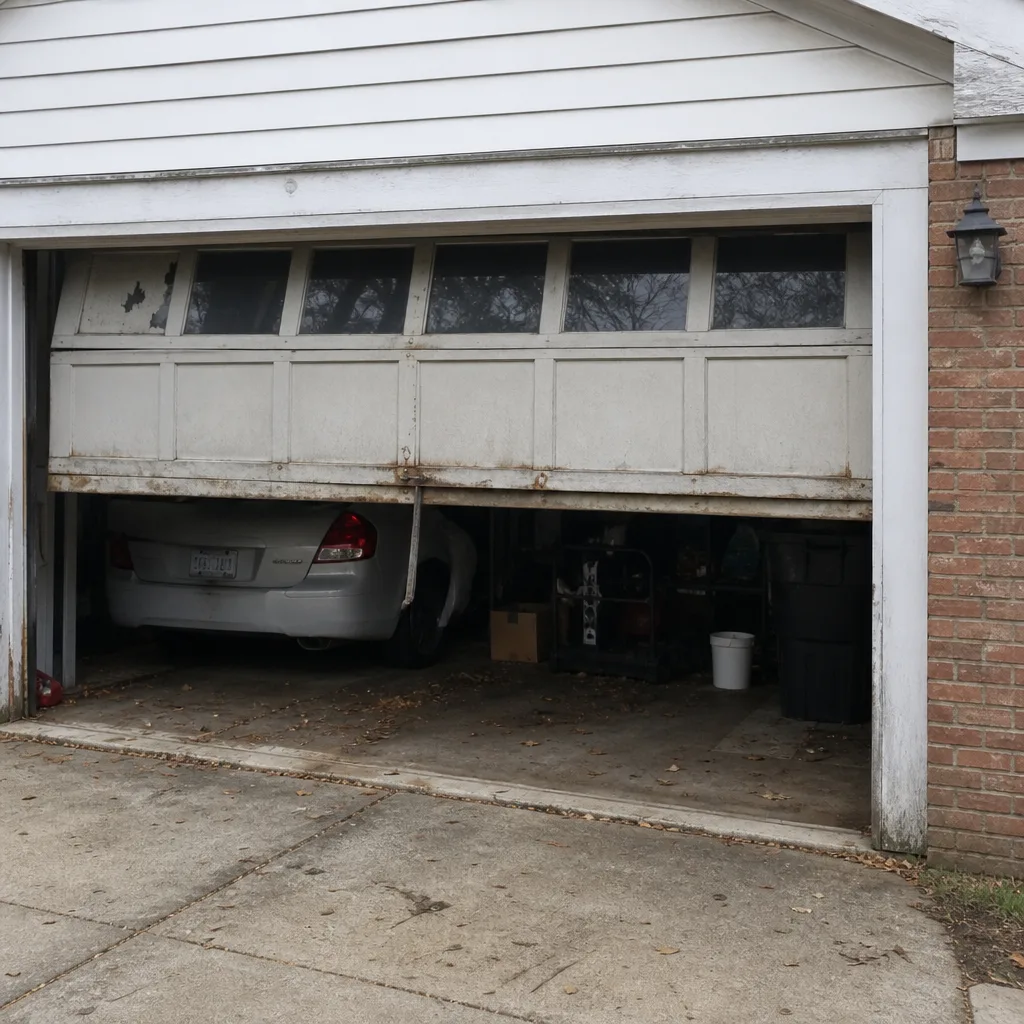 Before
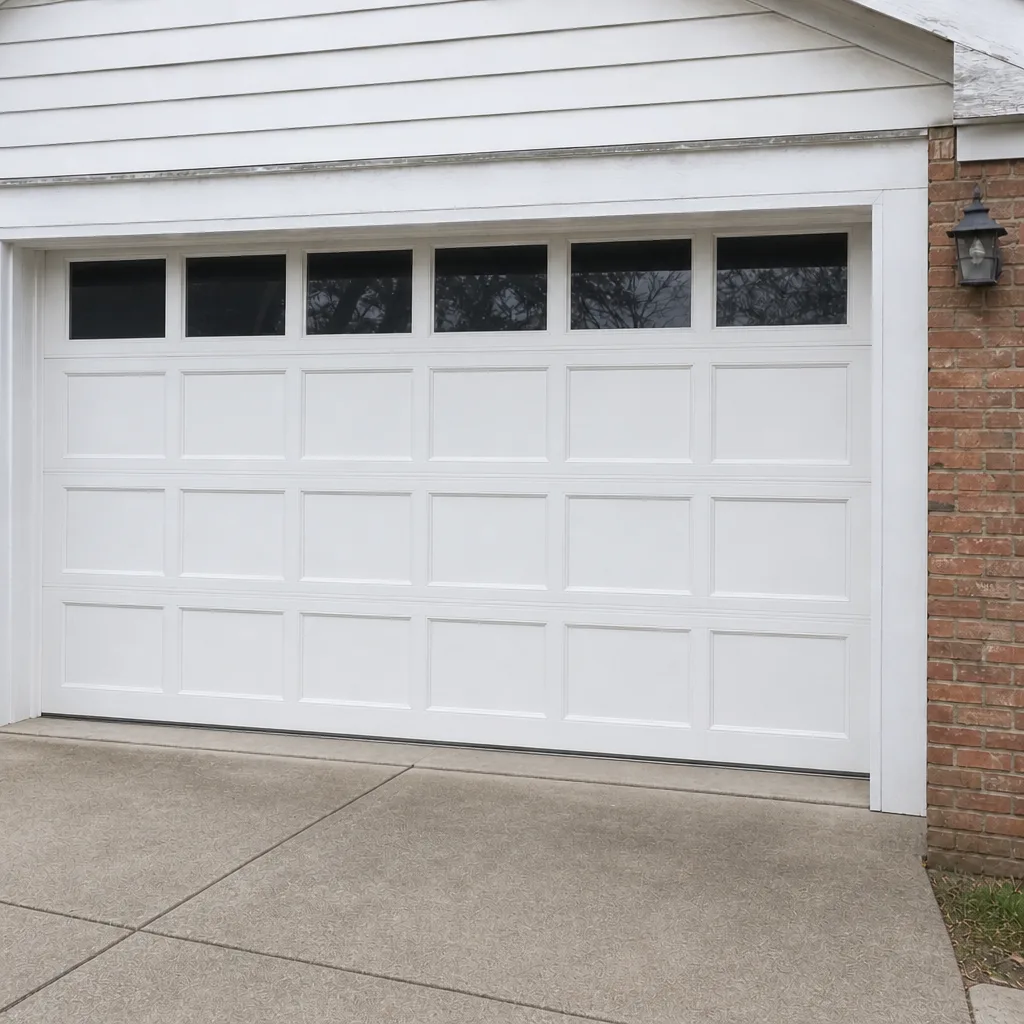 After
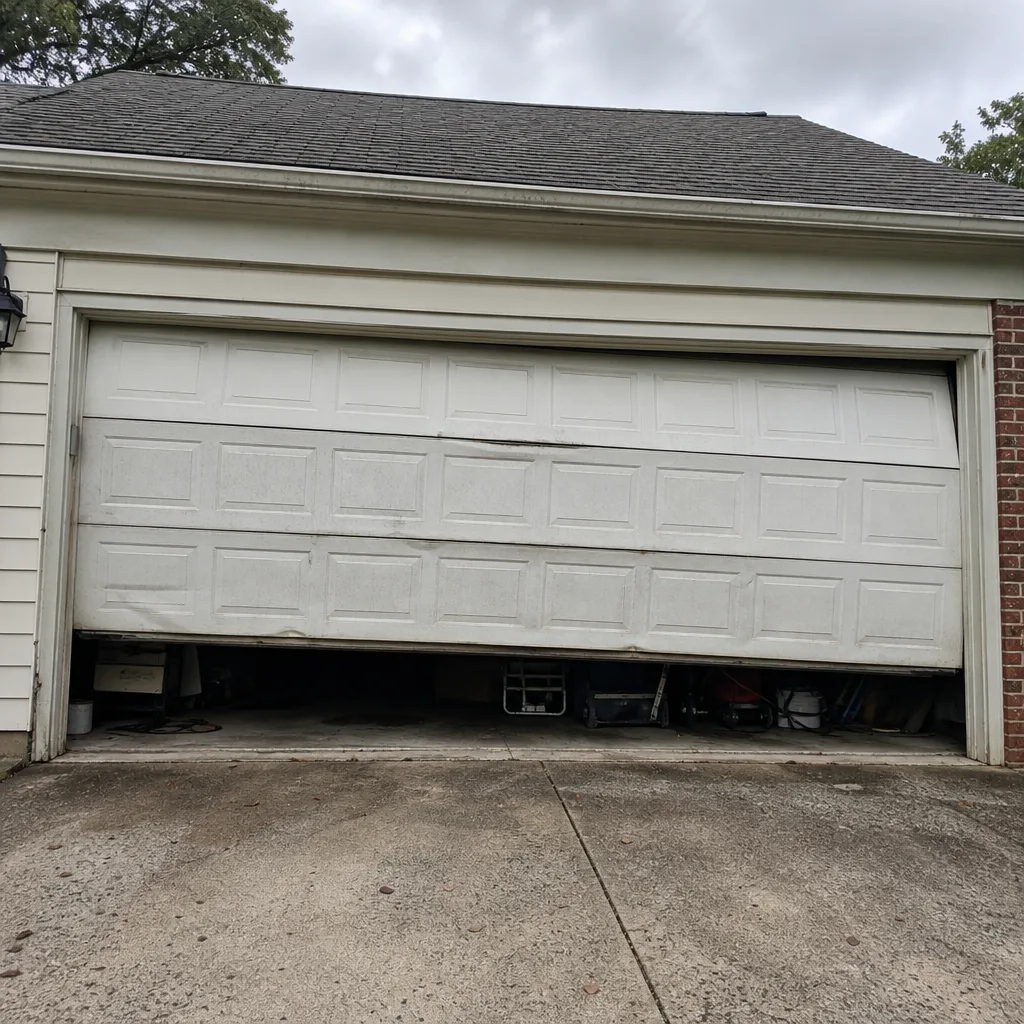 Before
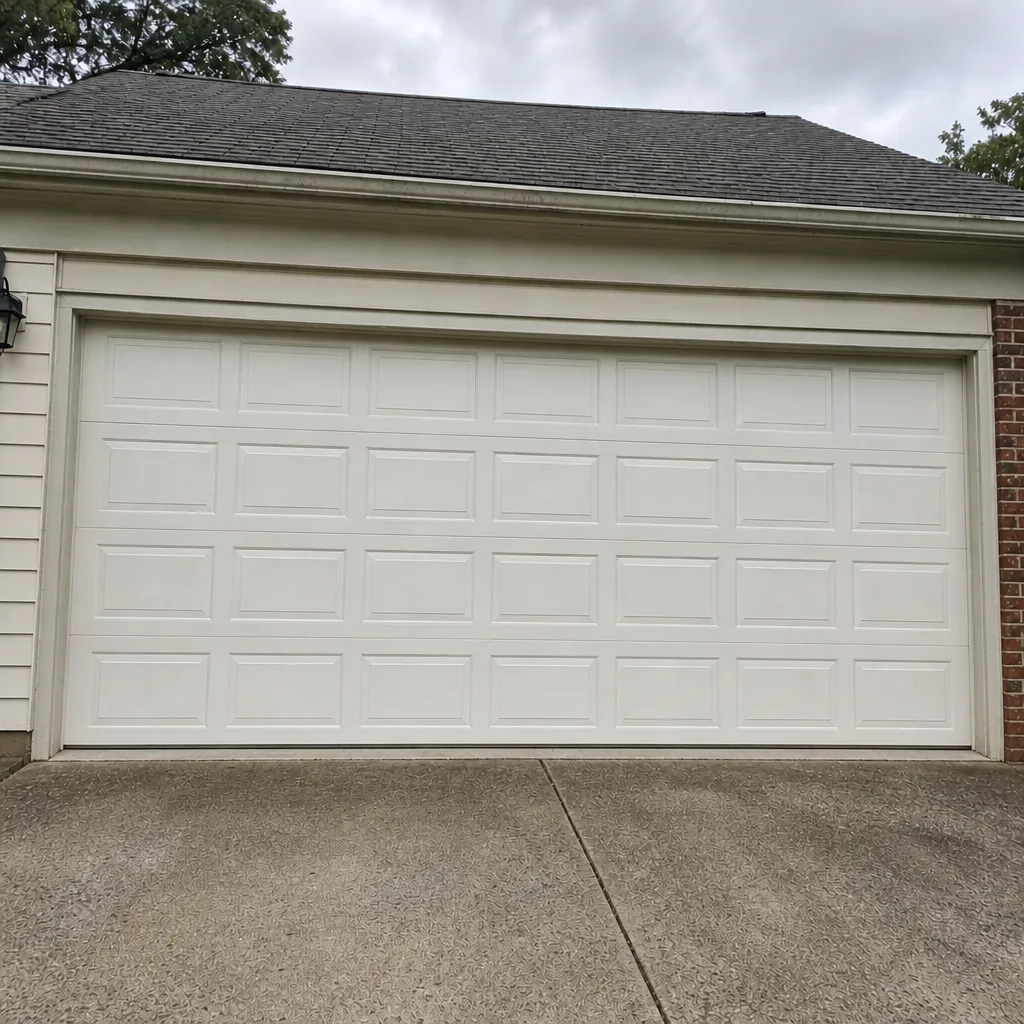 After
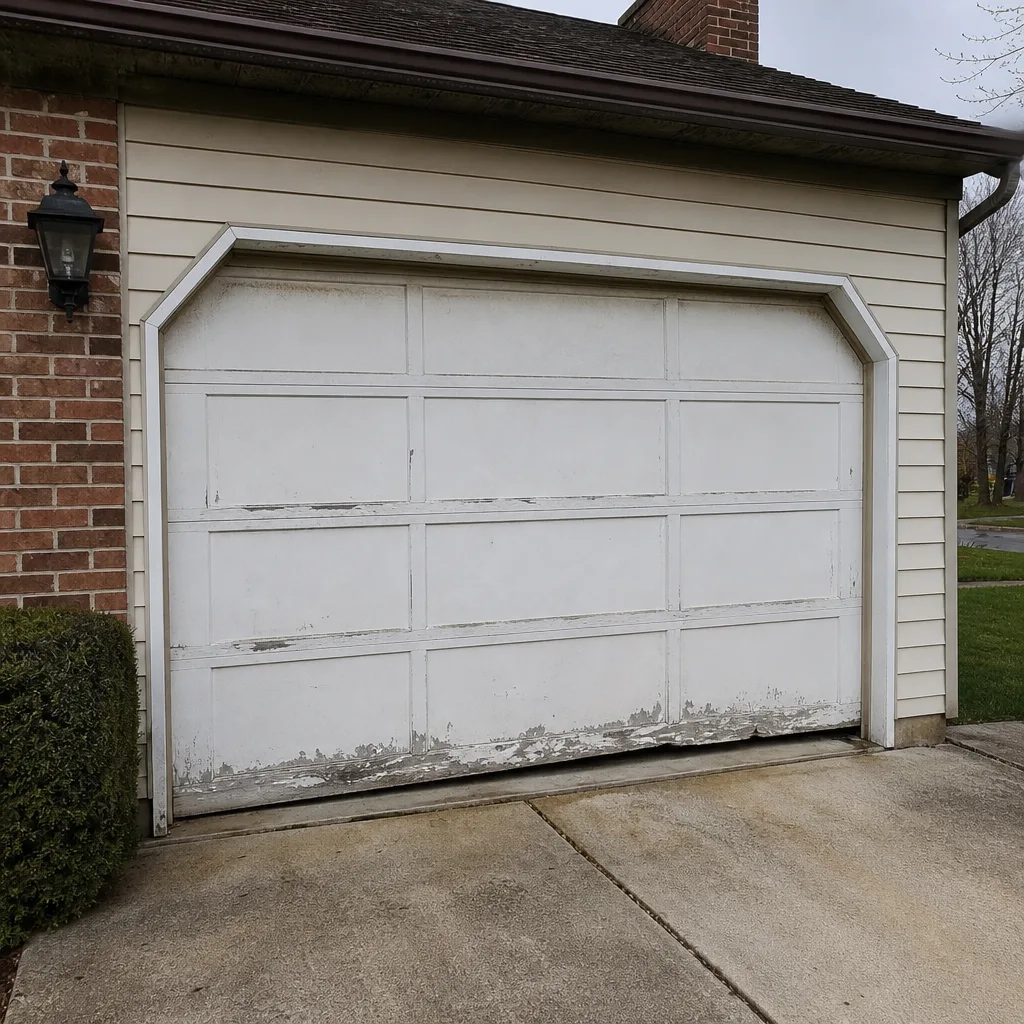 Before
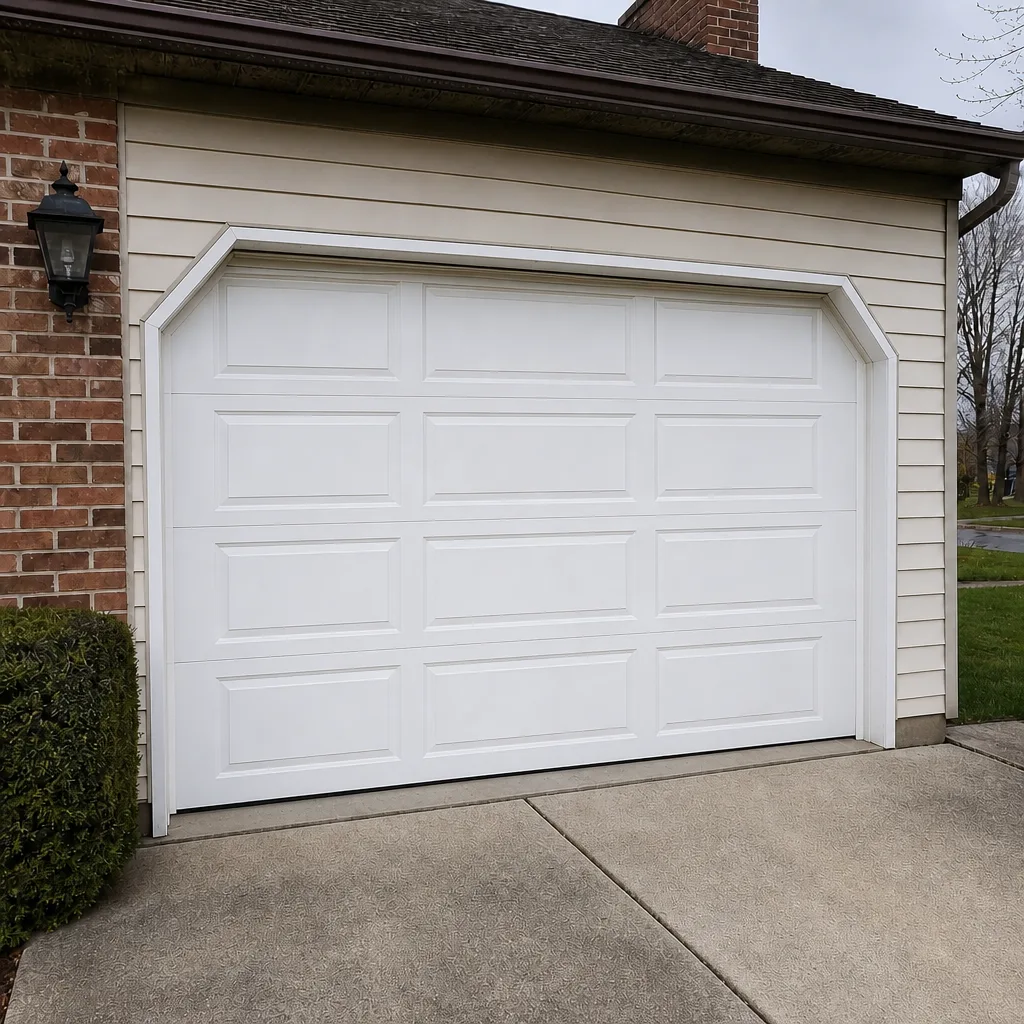 After